


x

 Olej na plátneWallArtMannerist Style
 1566Raná moderná éra
 74.0 x 56.0 cm
Giclée tlač alebo plátno múzeálnej kvality s rýchlou výrobou a flexibilnými možnosťami povrchovej úpravy. ( Kúpiť ručne maľovaný obraz Kúpiť obrázok)





























Vyberte si z našich preddefinovaných rozmerov, ktoré zodpovedajú pôvodným pomeroḿ diela.

Môžete zadať vlastné rozmery, aby sa reprodukcia prispôsobila konkrétnemu rámu alebo priestoru. Ak zvolená veľkosť nebude zodpovedať proporciám originálu, dielo buď orežeme, alebo obraz rozšírime pomocou zrkadlenia či farebného doplnenia okrajov. Pred začatím výroby vám pošleme digitálnu ukážku na schválenie.
Máte na vedomí, že náhľad na obrazovke neodzrkadľuje skutočné orezanie alebo rozšírenie. Len digitálna ukážka presne zobrazí finálnu kompozíciu.
Hoci sú k dispozícii vlastné rozmery, pre zachovanie pôvodných proporcií odporúčame vybrať si rozmer z vopred definovaného zoznamu.
Celosvetová doprava () do 2 týždňov namiesto štandardných 4/5 týždňov. (17 august)


Vietor
Veľkosť reprodukcie
Giuseppe Arcimboldo’s “Air,” completed in 1566, stands as an unparalleled achievement of Mannerist art—a visual poem that transcends conventional portraiture to embody the very essence of elemental harmony. More than just a depiction of a human figure, it's a meticulously crafted illusion, transforming countless bird feathers and beak fragments into a breathtaking representation of the air element.
Arcimboldo’s approach distinguishes him from his Renaissance contemporaries. While rooted in observation—evident in the remarkably detailed rendering of each feather—the artwork embraces Mannerist stylistic principles through elongated proportions, complex compositional layering and a deliberate distortion of perspective. Executed likely in oil on canvas, Arcimboldo's technique demonstrates an extraordinary command of texture and depth achieved with subtle gradations of browns, golds, ochres and vibrant plumage hues. The seamless integration of individual birds into a unified human-like shape is a testament to his unparalleled artistic skill—a feat that continues to inspire awe.
Arcimboldo flourished during the reign of Ferdinand I, Maximilian II and Rudolf II – rulers of the Habsburg Empire. His commissions weren’t merely decorative; they served as intellectual provocations designed to captivate the discerning tastes of the imperial court. “Air,” alongside his counterparts representing Earth, Water and Fire, functioned as allegorical statements reflecting Renaissance humanist thought and a fascination with the natural world. The artwork's playful yet profound nature perfectly mirrored the era’s penchant for puzzles, symbolism and hidden meanings—a deliberate invitation to contemplation.
The imagery within “Air” pulsates with symbolic significance. Birds have long symbolized freedom, spirituality and the human soul – concepts central to Renaissance philosophy. Arcimboldo’s masterful transformation of these creatures into a cohesive figure suggests metamorphosis, transcendence or perhaps the interconnectedness of all living things. The prominent peacock—a herald of royalty and virtue—further reinforces this thematic core. Its iridescent plumage embodies splendor and aspiration, mirroring the ambition of the Habsburg emperors.
Arcimboldo’s meticulous technique is characterized by a masterful blending of observation and imagination. The use of oil paint allows for nuanced tonal variations and textural richness—particularly noticeable in the feathered surfaces and the subtle shading that contributes to the artwork's dramatic depth. The composition prioritizes visual impact over strict spatial realism, creating an immersive experience for the viewer. “Air” is more than just a portrait; it’s a captivating illusion—a testament to Arcimboldo’s genius and enduring influence on art history.

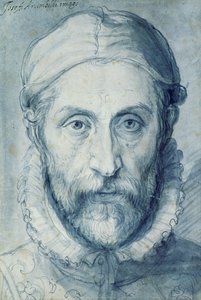
1527 - 1593 , Taliansko

Explore the rich history of birds in painting! Discover symbolism, artistic movements & master artists like Audubon. High-quality reproductions available at Most-Famous-Paintings.

Explore the evolution of compositional strategies in Western art! Discover how masters like Raphael & Zurbaran used perspective, proportion, and dynamic arrangement to create timeless masterpieces. Enhance your art appreciation today!

Explore the life & legacy of John Gould, pioneering ornithologist & artist. Discover his stunning bird illustrations, the impact of chromolithography, and investment opportunities for collectors. Learn more now!

Explore the evolution of compositional strategies in Western art from the Renaissance to Modernism. Discover how masters like Raphael & Zurbaran used perspective, proportion, and dynamic arrangement to create timeless masterpieces. Enhance your art appreciation today!
Ponorte sa do sveta Wassilyho Kandinského s Most-Famous-Paintings.com! Objavte top 25 diel abstraktného umenia, expresionizmu a farebných kompozícií. Kúpiť reprodukcie obrazov pre dokonalý dizajn interiéru. Explore the full collection online.


Zostaňte v obraze s najnovšími správami zo sveta umenia, exkluzívnymi ponukami a nápormi na dekoráciu.
Povedzte nám o svojom projekte a naši odborníci na umenie vám pripravia 3 personalizované návrhy umeleckých diel.
Nechajte si od nás vybrať 3 možnosti priamo pre vás – zadarmo!


 Náhľad
 Odoslať
 Zdieľať
 Podrobnosti o dielo

 Stiahnuť
 Podobné diela
 RTG skúška
 Prezentácia
 Zobraziť viac







 Možnosť skla je dostupná len pri rozmeroch pod 110 cm


