


x

 OilWallArtMannerism
 84.0 x 57.0 cm
 Bayerische Staatsgemäldesammlungen
Kúpte si digitálnu snímku vo vysokom rozlíšení s vylepšenými detailmi, ktorá je oveľa kvalitnejšia než online náhľad.
Každý súbor starostlivo pripravujú naši interní špecialisti pomocou pokročilých nástrojov a odborného manuálneho retušovania. Zabezpečujeme, aby každý obrázok disponoval výnimočnou čistotou, presnou farebnou vernosťou a jemnými detailmi.
Konečný súbor vám bude doručený e-mailom do 72 hodín, optimalizovaný pre okamžité použitie v profesionálnom, redakčnom aj tlačovom prostredí. Ide o rovnakú kvalitu, ktorej dôverajú špičkové dizajnérske štúdiá, vydavateľstvá a galérie.
Stiahnite si vysokorozlíšený súbor na osobné zobrazovanie, tlačenie a kreatívne projekty. ( Kúpiť tlač Kúpiť ručne maľovaný obraz)
Keď si vyberiete Most-Famous-Paintings.com, nedostávate len obrázok – získate profesionálne upravené digitálne umenie, vytvorené s precíznosťou a so zárukou vašej maximálnej spokojnosti. Tu je všetko, čo je súčasťou vašej objednávky automaticky:

Vaša vysokorozlíšená digitálna súprava obrázkov vám bude zaslaná e-mailom do 72 hodín od objednávky – pripravená na okamžité použitie.

Vaše dielo je profesionálne optimalizované pomocou pokročilých nástrojov umelej inteligencie a manuálnej editácie, čo zaručuje maximálnu úroveň detailov, čistotu a presnosť farieb.

Náhodou ste zmazali alebo ste stratili svoj súbor? Nebavžte sa – pošleme vám ho kedykoľvek znova, úplne bez poplatkov.

Užite si svoje umelodelo okamžite bez colných poplatkov, daní alebo nákladov na dopravu – digitálne stiahnutia sú vždy oslobodené od dane.

Pomocou profesionálnych nástrojov a farebného manažmentu zabezpečujeme, aby vaša digitálna fotografia čo najpresnejšie odrážala pôvodné farby.

Ak nebudete spokojní so svojou digitálnou fotografiou, upravíme ju alebo vám vrátime 100% v priebehu 60 dní – bez zbytočných otázok.

Nie ste spokojní? Získajte plnú náhradu peňazí do 60 dní od prijatia vášho digitálneho súboru – bez zbytočných otázok.

Kúpte si 3 obrazy, ušetrite 10% - Kúpte si 5, ušetrite 15% - Kúpte si 10+, ušetrite 20%. Ideálne pre kreatívne projekty, galérie a agentúry.
Giuseppe Arcimboldo’s “Winter,” painted circa 1563 and now residing within the Kunsthistorisches Museum in Vienna, isn’t merely a portrait; it’s an immersive allegory, a frozen tableau vivant constructed entirely from the bounty of nature. More than just a clever visual puzzle, this masterpiece embodies the Renaissance fascination with symbolism, classical mythology, and the cyclical rhythms of life and death – all rendered with a startlingly modern sensibility. Arcimboldo, already renowned for his inventive character portraits crafted from fruits, vegetables, and books, pushes the boundaries of representation here, transforming a human form into an evocative embodiment of winter’s stark beauty and inherent melancholy.
The central figure, often interpreted as a wizened old man or perhaps a spirit emerging from a rustic sack – rendered in rough, textured burlap – dominates the composition. His face is deeply etched with wrinkles, roots, and branches, a deliberate blurring of human and plant characteristics that speaks to the interconnectedness of all living things. The careful arrangement of elements—the vibrant oranges nestled beneath, the cascading vines and foliage framing his head—immediately evoke associations with fertility, abundance, and the promise of spring hidden within the heart of winter’s dormancy. The inclusion of these fruits isn't arbitrary; they are potent symbols of renewal and hope, subtly counterbalancing the somber tones of the overall scene.
Arcimboldo’s skill lies not just in his imaginative subject matter but also in his meticulous execution. “Winter” is a testament to the artist's mastery of oil painting, utilizing a technique that builds up layers of texture with painstaking detail. The chiaroscuro – the dramatic interplay of light and shadow – is particularly striking, emphasizing the rough surfaces of the fruits and vegetables while simultaneously creating an atmosphere of profound depth and mystery. The perspective is subtly distorted, lending the image a dreamlike quality, as if peering into a world both familiar and unsettlingly strange. The composition itself is carefully balanced, drawing the eye to the central figure while allowing the surrounding elements to contribute to the overall narrative.
Notice the deliberate use of color – predominantly browns, greens, and ochre—that evokes the muted palette of a winter landscape. These earthy tones are punctuated by the vibrant oranges, creating a compelling contrast that draws attention to their symbolic significance. The background remains deliberately dark and undefined, serving only to isolate the subject and heighten its presence within the scene. The overall effect is one of controlled chaos, where disparate elements coalesce into a cohesive and profoundly moving whole.
To fully appreciate “Winter,” it’s crucial to understand the context in which Arcimboldo worked – the vibrant intellectual climate of the late 16th century. The painting draws heavily on classical mythology, particularly the figure of Vertumnus, the Roman god of fertility, change, and seasons. Vertumnus was often depicted as a shapeshifter, embodying both the destructive and generative forces of nature. Arcimboldo’s portrait clearly echoes this mythological archetype, suggesting that the central figure is not merely a representation of winter but also a manifestation of the cyclical processes of life, death, and rebirth.
Furthermore, the Renaissance fascination with allegory – the use of symbolic imagery to convey deeper meanings – played a significant role in Arcimboldo’s artistic practice. His portraits were often intended as visual riddles, challenging viewers to decipher their hidden messages. “Winter,” like many of his other works, invites contemplation on themes such as mortality, time, and the relationship between humanity and nature. The painting's ambiguity—the figure’s expression open to interpretation—further enhances its symbolic power.
Despite its historical context, “Winter” continues to resonate with viewers today due to its arresting imagery and profound emotional impact. There is a palpable sense of melancholy woven into the fabric of the painting – a quiet acknowledgement of winter’s stark beauty and inherent sadness. Yet, amidst this somber mood, there's also an underlying current of hope, symbolized by the vibrant oranges and the promise of spring. Arcimboldo’s ability to evoke such complex emotions through seemingly simple objects is a testament to his artistic genius.
Reproductions of “Winter” offer a remarkable opportunity to experience this masterpiece firsthand, allowing us to appreciate Arcimboldo's extraordinary skill and imaginative vision. Whether displayed in a grand salon or a cozy corner, this painting serves as a timeless reminder of the beauty and mystery of the natural world – and the enduring power of art to capture its essence.

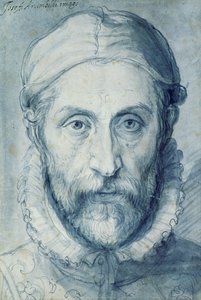
1527 - 1593 , Taliansko


Zostaňte v obraze s najnovšími správami zo sveta umenia, exkluzívnymi ponukami a nápormi na dekoráciu.
Povedzte nám o svojom projekte a naši odborníci na umenie vám pripravia 3 personalizované návrhy umeleckých diel.
Nechajte si od nás vybrať 3 možnosti priamo pre vás – zadarmo!


 Náhľad
 Odoslať
 Zdieľať
 Podrobnosti o dielo

 Stiahnuť
 Podobné diela
 RTG skúška
 Prezentácia
 Zobraziť viac


