


x


 Preview
 Kúpiť tlač Objednať reprodukciu
 Odoslať
 Podrobnosti o dielo
 Pridať do obľúbených
 Stiahnuť
 Podobné diela
 RTG skúška
 Prezentácia
Kúpte si digitálnu snímku vo vysokom rozlíšení s vylepšenými detailmi, ktorá je oveľa kvalitnejšia než online náhľad.
Každý súbor starostlivo pripravujú naši interní špecialisti pomocou pokročilých nástrojov a odborného manuálneho retušovania. Zabezpečujeme, aby každý obrázok disponoval výnimočnou čistotou, presnou farebnou vernosťou a jemnými detailmi.
Konečný súbor vám bude doručený e-mailom do 72 hodín, optimalizovaný pre okamžité použitie v profesionálnom, redakčnom aj tlačovom prostredí. Ide o rovnakú kvalitu, ktorej dôverajú špičkové dizajnérske štúdiá, vydavateľstvá a galérie.
Stiahnite si vysokorozlíšený súbor na osobné zobrazovanie, tlačenie a kreatívne projekty.
Keď si vyberiete Most-Famous-Paintings.com, nedostávate len obrázok – získate profesionálne upravené digitálne umenie, vytvorené s precíznosťou a so zárukou vašej maximálnej spokojnosti. Tu je všetko, čo je súčasťou vašej objednávky automaticky:

Vaša vysokorozlíšená digitálna súprava obrázkov vám bude zaslaná e-mailom do 72 hodín od objednávky – pripravená na okamžité použitie.

Vaše dielo je profesionálne optimalizované pomocou pokročilých nástrojov umelej inteligencie a manuálnej editácie, čo zaručuje maximálnu úroveň detailov, čistotu a presnosť farieb.

Náhodou ste zmazali alebo ste stratili svoj súbor? Nebavžte sa – pošleme vám ho kedykoľvek znova, úplne bez poplatkov.

Užite si svoje umelodelo okamžite bez colných poplatkov, daní alebo nákladov na dopravu – digitálne stiahnutia sú vždy oslobodené od dane.

Pomocou profesionálnych nástrojov a farebného manažmentu zabezpečujeme, aby vaša digitálna fotografia čo najpresnejšie odrážala pôvodné farby.

Ak nebudete spokojní so svojou digitálnou fotografiou, upravíme ju alebo vám vrátime 100% v priebehu 60 dní – bez zbytočných otázok.

Nie ste spokojní? Získajte plnú náhradu peňazí do 60 dní od prijatia vášho digitálneho súboru – bez zbytočných otázok.

Kúpte si 3 obrazy, ušetrite 10% - Kúpte si 5, ušetrite 15% - Kúpte si 10+, ušetrite 20%. Ideálne pre kreatívne projekty, galérie a agentúry.
Gustav Klimt’s “Portrait of Adele Bloch-Bauer I,” a seminal work from the early 20th century, transcends mere portraiture to become an embodiment of Viennese Secession and a profound exploration of female identity. Completed between 1903 and 1907, this arresting image captures not just a likeness but a carefully constructed persona—a woman poised on the cusp of modernity, radiating both quiet strength and subtle vulnerability. The painting’s monochrome palette, dominated by shades of gray, immediately establishes an atmosphere of contemplative seriousness, inviting viewers to linger in its stark beauty. It's a deliberate departure from the vibrant hues that would later characterize Klimt’s “Golden Phase,” offering instead a glimpse into the artist’s early experimentation with form and texture.
The genesis of this portrait lies within the opulent world of Vienna’s burgeoning Jewish bourgeoisie, a class rapidly accumulating wealth through industrial enterprises. Adele Bloch-Bauer, the subject, was the wife of Ferdinand Bloch-Bauer, a prominent sugar magnate who became a significant patron of the arts. Klimt, deeply influenced by the artistic currents swirling around him—including Japanese prints and the emerging Art Nouveau movement—was commissioned to immortalize her within this context. The painting isn’t simply a depiction of a wealthy woman; it's an astute observation of her social standing, her role as hostess, and perhaps even a subtle commentary on the constraints placed upon women in that era.
Klimt’s technique is immediately striking. He eschews meticulous detail in favor of expressive lines—loose, dynamic strokes that define the figure's form with remarkable sensitivity. Hatching and cross-hatching are employed not to create a realistic illusion of light and shadow but rather to suggest volume and texture through variations in tone. The artist’s hand is visible in every mark, lending the work an intimate quality, as if we are witnessing the very act of creation. The composition itself is remarkably simple: Adele stands centrally within the frame, her arms gracefully crossed—a pose that conveys both composure and a hint of reserve. This deliberate restraint mirrors the overall mood of the painting, fostering a sense of quiet introspection.
Notably, Klimt utilizes a technique reminiscent of a preparatory sketch, a characteristic that adds to the work’s immediacy and emotional resonance. The lack of polished finish suggests an ongoing process, as if Adele were merely paused in a moment of contemplation. This deliberate choice invites viewers to connect with the subject on a deeper level, recognizing her as a living, breathing individual rather than a static representation.
Beyond its formal qualities, “Portrait of Adele Bloch-Bauer I” is rich in symbolic meaning. The most prominent element—the gold leaf adorning Adele’s dress and the background—references Klimt's later "Golden Phase," but here it serves a more nuanced purpose. Gold, historically associated with divinity and wealth, subtly elevates Adele’s status while simultaneously hinting at the ephemeral nature of beauty and material possessions. The geometric patterns that frame her figure are reminiscent of Byzantine mosaics, further emphasizing her position as a woman of refined taste and cultural awareness.
The crossed arms, a recurring motif in Klimt's work, can be interpreted as a symbol of strength, self-possession, or perhaps even a subtle resistance to societal expectations. Adele’s gaze is direct yet enigmatic—it invites the viewer into her world while simultaneously maintaining an air of mystery. The overall effect is one of captivating complexity, inviting repeated contemplation and interpretation.
“Portrait of Adele Bloch-Bauer I” holds a particularly poignant significance in art history due to its subsequent fate. Following the Nazi annexation of Austria, the painting—along with other works by Klimt and her husband—was stolen and ultimately ended up in the Belvedere Museum in Vienna. The story of this artwork is inextricably linked to the broader narrative of cultural restitution and the enduring impact of the Holocaust. The eventual return of the portrait to the Bloch-Bauer family, culminating in its acquisition by Maria Altmann, Adele’s niece, represents a powerful symbol of justice and remembrance. Today, it stands as a testament to Klimt's artistic genius and a poignant reminder of the complexities of art, history, and human experience.
Most-Famous-Paintings offers meticulously crafted hand-painted reproductions of this iconic masterpiece, allowing you to bring its timeless beauty into your own space. Each reproduction is created with the same attention to detail and reverence for the original, capturing the essence of Klimt’s vision while providing a stunning addition to any collection.

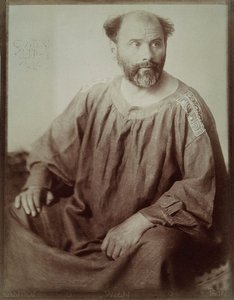
1862 - 1918 , Rakúsko


Zostaňte v obraze s najnovšími správami zo sveta umenia, exkluzívnymi ponukami a nápormi na dekoráciu.
Povedzte nám o svojom projekte a naši odborníci na umenie vám pripravia 3 personalizované návrhy umeleckých diel.
Nechajte si od nás vybrať 3 možnosti priamo pre vás – zadarmo!


 Zdieľať


 Zobraziť viac


