x

Giclée tlač alebo plátno múzeálnej kvality s rýchlou výrobou a flexibilnými možnosťami povrchovej úpravy. ( Kúpiť ručne maľovaný obraz Kúpiť obrázok)





























Vyberte si z našich preddefinovaných rozmerov, ktoré zodpovedajú pôvodným pomeroḿ diela.

Môžete zadať vlastné rozmery, aby sa reprodukcia prispôsobila konkrétnemu rámu alebo priestoru. Ak zvolená veľkosť nebude zodpovedať proporciám originálu, dielo buď orežeme, alebo obraz rozšírime pomocou zrkadlenia či farebného doplnenia okrajov. Pred začatím výroby vám pošleme digitálnu ukážku na schválenie.
Máte na vedomí, že náhľad na obrazovke neodzrkadľuje skutočné orezanie alebo rozšírenie. Len digitálna ukážka presne zobrazí finálnu kompozíciu.
Hoci sú k dispozícii vlastné rozmery, pre zachovanie pôvodných proporcií odporúčame vybrať si rozmer z vopred definovaného zoznamu.
Celosvetová doprava () do 2 týždňov namiesto štandardných 4/5 týždňov. (14 august)


Pietà1
Veľkosť reprodukcie
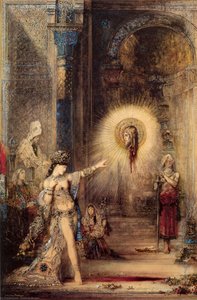
Gustave Moreau (1826-1898), a luminary of the Symbolist movement, stands apart from his contemporaries as an artist singularly devoted to translating inner visions onto canvas. Rejecting the objective gaze of Realism and Impressionism, Moreau embarked on a profound quest for artistic truth—a truth residing not in observable phenomena but in the realm of dreams, myths, and spiritual contemplation. His oeuvre is characterized by an arresting blend of meticulous detail and ethereal atmosphere, reflecting his unwavering belief that art could unlock hidden dimensions of human experience.
Moreau’s masterpiece, Pietà1 (c. 1876), exemplifies the core tenets of Symbolism. Unlike traditional depictions of Mary cradling Jesus after his crucifixion—often imbued with pious piety—Moreau’s interpretation transcends mere religious iconography. Instead, it operates as a complex allegory exploring themes of grief, sacrifice, and divine compassion. Moreau deliberately eschewed naturalistic representation, prioritizing symbolic gesture and evocative color to convey profound emotional resonance.
Moreau’s masterful technique—primarily oil paint on canvas—allowed him to achieve an unprecedented level of textural richness and visual illusion. He employed glazing techniques, applying thin layers of translucent pigment over thicker undercoats to create luminous surfaces that shimmer with otherworldly light. The composition itself is deliberately unsettling, featuring a pyramidal arrangement dominated by Mary's figure, which draws the viewer’s eye upwards towards the heavens. Surrounding her are monumental mountains—symbols of stability and endurance—and an intricate tapestry of floral motifs—representing beauty and fragility.
Moreau’s color palette is strikingly deliberate, reflecting the emotional core of Pietà1. Dominant hues of deep blues and opulent golds convey a sense of solemn grandeur and divine majesty. However, these majestic tones are juxtaposed with muted shades of gray and brown—representing sorrow and decay—creating a poignant visual dialogue. The artist’s careful consideration of color contributes significantly to the painting's emotional impact, mirroring the paradoxical blend of grief and spiritual solace inherent in the biblical narrative.
Gustave Moreau’s pioneering approach to Symbolist painting profoundly influenced subsequent generations of artists. His insistence on psychological depth and symbolic representation paved the way for movements such as Art Nouveau and Surrealism, inspiring painters like Pablo Picasso, Henri Matisse, and Paul Gauguin. Visiting the Musée National Gustave-Moreau in Paris offers a unique opportunity to immerse oneself in Moreau’s visionary world—a testament to his enduring legacy as one of Symbolism's most compelling voices.

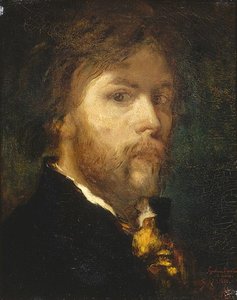
1826 - 1898 , Francúzsko

Explore the evocative world of Symbolist painting. Discover how masters like Gustave Moreau rejected realism to capture dreams, myths, and the subconscious through fine art history and expert analysis.

Explore the profound beauty of Greek mythology through art history. From Baroque masterpieces to Renaissance classics, discover how gods and heroes have inspired the world's greatest painters in this expert guide for collectors and history lovers.


Zostaňte v obraze s najnovšími správami zo sveta umenia, exkluzívnymi ponukami a nápormi na dekoráciu.
Povedzte nám o svojom projekte a naši odborníci na umenie vám pripravia 3 personalizované návrhy umeleckých diel.
Nechajte si od nás vybrať 3 možnosti priamo pre vás – zadarmo!


 Náhľad
 Odoslať
 Zdieľať
 Podrobnosti o dielo

 Stiahnuť
 Podobné diela
 RTG skúška
 Prezentácia
 Zobraziť viac







 Možnosť skla je dostupná len pri rozmeroch pod 110 cm