x

 Akryl na plátneWallArtEarly Netherlandish Painting
 1504
1504 163.0 x 128.0 cm
 Academy of Fine Arts Vienna
Giclée tlač alebo plátno múzeálnej kvality s rýchlou výrobou a flexibilnými možnosťami povrchovej úpravy. ( Kúpiť ručne maľovaný obraz Kúpiť obrázok)





























Vyberte si z našich preddefinovaných rozmerov, ktoré zodpovedajú pôvodným pomeroḿ diela.

Môžete zadať vlastné rozmery, aby sa reprodukcia prispôsobila konkrétnemu rámu alebo priestoru. Ak zvolená veľkosť nebude zodpovedať proporciám originálu, dielo buď orežeme, alebo obraz rozšírime pomocou zrkadlenia či farebného doplnenia okrajov. Pred začatím výroby vám pošleme digitálnu ukážku na schválenie.
Máte na vedomí, že náhľad na obrazovke neodzrkadľuje skutočné orezanie alebo rozšírenie. Len digitálna ukážka presne zobrazí finálnu kompozíciu.
Hoci sú k dispozícii vlastné rozmery, pre zachovanie pôvodných proporcií odporúčame vybrať si rozmer z vopred definovaného zoznamu.
Celosvetová doprava () do 2 týždňov namiesto štandardných 4/5 týždňov. (19 august)


Last Judgement Triptych
Veľkosť reprodukcie
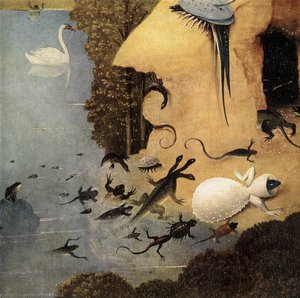
Hieronymus Bosch’s “Last Judgement Triptych,” completed around 1504, stands as one of the most unsettling and profoundly symbolic masterpieces of the Early Netherlandish Renaissance. More than just a depiction of biblical prophecy, it's an immersive experience into a realm of grotesque imagination—a visual distillation of Bosch’s preoccupation with mortality, sin, and God’s inescapable judgment.
Painted on oak panels in oil tempera and gold leaf, the triptych assaults the senses with its sheer scale and disturbing imagery. Bosch abandons traditional religious iconography for a visceral portrayal of hell—a landscape populated by monstrous creatures, tormented souls, and grotesque distortions of human form. The central panel dominates the composition, presenting an infernal panorama teeming with demons, tortured figures, and symbolic representations of damnation.
The left wing recounts the biblical narrative of Adam and Eve’s fall from grace. Bosch meticulously recreates the Garden of Eden, populated by exquisitely rendered angels battling for dominion over souls. The depiction of Eve succumbing to Lucifer's temptation is fraught with psychological tension—a moment of profound moral transgression captured in breathtaking detail. Above all, Bosch portrays God extracting Eve from Adam’s rib, symbolizing the divine creation and the subsequent corruption of humanity.
Moving to the right wing, Bosch presents a vision of Heaven—a serene tableau dominated by angelic figures and saints. The upper archway showcases Jesus Christ enthroned in majesty, surrounded by Mary and John the Baptist, embodying divine compassion and righteousness. Below this celestial scene is Noah carrying the ark over his head, symbolizing salvation from impending catastrophe. The panel’s meticulous execution underscores Bosch's belief in the ultimate triumph of faith over darkness.
Beyond its visual spectacle, “Last Judgement” is laden with symbolism—a language of grotesque imagery designed to provoke contemplation and instill fear. Bosch employs recurring motifs—such as serpents, skulls, and tormented faces—to convey the pervasive influence of sin and death. The artist’s masterful use of color—particularly the vibrant reds and yellows of hell contrasted against the muted tones of heaven—amplifies the emotional impact of the scene.
“Last Judgement” cemented Bosch's reputation as a visionary artist who dared to confront the darkest aspects of human experience. Its influence extended far beyond its time, inspiring artists and writers for centuries to come—a testament to Bosch’s enduring power to unsettle and inspire.

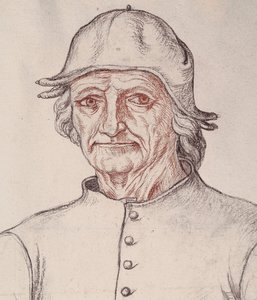
1450 - 1516 , Nemecko

Explore the profound history and technical brilliance of oil on panel painting. From Renaissance masters to modern techniques, discover why this rigid support offers unparalleled precision and permanence for fine art lovers and collectors.

Explore the profound mastery of Northern Renaissance art. Discover the technical brilliance of Flemish oil painting, the intricate symbolism of Bosch and Bruegel, and the revolutionary realism that redefined European art history through an expert historical lens.


Zostaňte v obraze s najnovšími správami zo sveta umenia, exkluzívnymi ponukami a nápormi na dekoráciu.
Povedzte nám o svojom projekte a naši odborníci na umenie vám pripravia 3 personalizované návrhy umeleckých diel.
Nechajte si od nás vybrať 3 možnosti priamo pre vás – zadarmo!


 Náhľad
 Odoslať
 Zdieľať
 Podrobnosti o dielo

 Stiahnuť
 Podobné diela
 RTG skúška
 Prezentácia
 Zobraziť viac







 Možnosť skla je dostupná len pri rozmeroch pod 110 cm