x


 Acrylic On CanvasWallArtEarly Netherlandish Painting
 1510
1510 135.0 x 45.0 cm
 Museo del Prado
Giclée tlač alebo plátno múzeálnej kvality s rýchlou výrobou a flexibilnými možnosťami povrchovej úpravy. ( Prejsť na ručne maľovanú reprodukciu Prepnúť na obrázok)





























Vyberte si z našich preddefinovaných rozmerov, ktoré zodpovedajú pôvodným pomeroḿ diela.

Môžete zadať vlastné rozmery, aby sa reprodukcia prispôsobila konkrétnemu rámu alebo priestoru. Ak zvolená veľkosť nebude zodpovedať proporciám originálu, dielo buď orežeme, alebo obraz rozšírime pomocou zrkadlenia či farebného doplnenia okrajov. Pred začatím výroby vám pošleme digitálnu ukážku na schválenie.
Máte na vedomí, že náhľad na obrazovke neodzrkadľuje skutočné orezanie alebo rozšírenie. Len digitálna ukážka presne zobrazí finálnu kompozíciu.
Hoci sú k dispozícii vlastné rozmery, pre zachovanie pôvodných proporcií odporúčame vybrať si rozmer z vopred definovaného zoznamu.
Celosvetová doprava () do 2 týždňov namiesto štandardných 4/5 týždňov. (1 august)


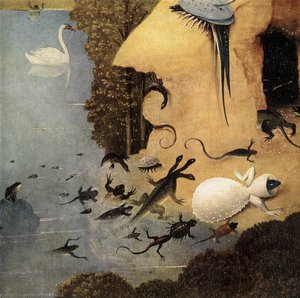
Paradise and Hell
Veľkosť reprodukcie
Hieronymus Bosch’s “Paradise and Hell,” completed around 1510, stands as one of the most unsettling and enduring visions of the afterlife produced during the Renaissance. This monumental double-sided altarpiece transcends mere depiction; it plunges viewers into a meticulously crafted psychological landscape brimming with biblical allegory and disturbing imagery—a testament to Bosch’s unparalleled ability to capture both divine grace and demonic torment.
Historical Context & Artistic Innovation Bosch’s work emerged during a period marked by religious anxieties and intellectual ferment—the Reformation was gaining momentum across Europe. He drew heavily upon medieval folklore and Christian symbolism, blending fantastical elements with moral didacticism. Unlike many of his contemporaries who adhered to idealized representations of biblical scenes, Bosch deliberately distorted reality to express profound psychological truths about human nature. His approach foreshadowed the darker currents of Expressionist art centuries later.
Symbolism & Emotional Impact The symbolism embedded within “Paradise and Hell” is extraordinarily complex. Recurring motifs—such as demons, hybrids (creatures combining animal and human features), and grotesque distortions—represent temptations and sins that threaten to corrupt the soul. Bosch’s aim wasn't merely to frighten viewers but to provoke introspection about morality and salvation. The painting’s enduring power lies in its ability to evoke visceral emotions – fear, pity, awe – forcing us to confront our own mortality and grapple with fundamental questions about faith and damnation.
Further Exploration For a deeper understanding of Bosch's artistic legacy, consider visiting Palazzo Ducale di Venezia (Palazzo Ducale) where you can admire masterpieces by Titian and Veronese – artists influenced by Bosch’s visionary style. Alternatively, delve into “Hieronymus Bosch: Decoding the Visions of a Netherlandish Master” (Hieronymus Bosch) for an insightful analysis of his artistic innovations and enduring influence. You can also explore “Mystical Masterpieces: 10 Artworks That Transcends Reality |” (Mystical Masterpieces) to discover similar artistic expressions of spiritual contemplation.

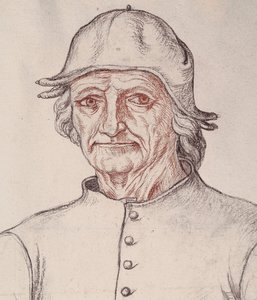
1450 - 1516 , Nemecko
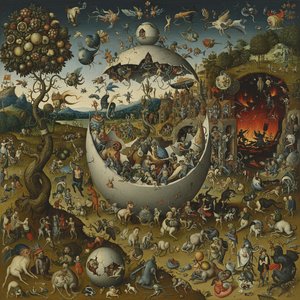
Ponorte sa do sveta Hieronymusa Boscha s Most-Famous-Paintings.com! Objavte top 25 diel majstra stredovekého umenia, symbolizmu a fantastických motívov. Reprodukcie obrazov pre váš domov – luxusné dekorácie a umelecké plagáty online. Preskúmajte celú kolekciu na Most-Famous-Paintings.com
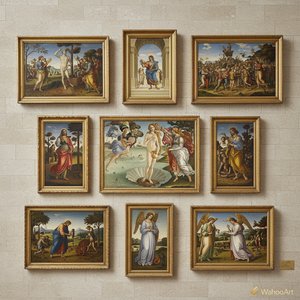
Objavte top 10 majstrovských diel rannej renesancie – Botticelli, Leonardo da Vinci a ďalší. Prežite príbehy umenia, techniky a nadčasnú krásu. Reprodukcie obrazov pre váš domov na Most-Famous-Paintings.com.

Objavte top 25 diel Metropolitného múzea umenia v New Yorku! Prežite príbehy Van Gogha, Moneta a ďalších majstrov. Reprodukcie obrazov pre váš interiér – luxusné dekorácie na Most-Famous-Paintings.com.
Objavte 25 ikonických diel Staatliche Museen Berlín! Prežite príbeh Nefertiti, Pergamonu a ďalších majstrovských kúskov. Reprodukcie obrazov pre váš domov na Most-Famous-Paintings.com – múzejná kvalita a inšpirácia pre interiér.
Objavte top 25 majstrovských diel Museo del Prado v Madride! Velázquez, Goya, El Greco a ďalší španielski umelci. Reprodukcie obrazov pre luxusný dekor vášho domova. Nájdite inšpiráciu a kúpite kvalitné plátna na Most-Famous-Paintings.com.


Zostaňte v obraze s najnovšími správami zo sveta umenia, exkluzívnymi ponukami a nápormi na dekoráciu.
Povedzte nám o svojom projekte a naši odborníci na umenie vám pripravia 3 personalizované návrhy umeleckých diel.
Nechajte si od nás vybrať 3 možnosti priamo pre vás – zadarmo!


 Náhľad
 Odoslať
 Zdieľať
 Podrobnosti o dielo

 Stiahnuť
 Podobné diela
 RTG skúška
 Prezentácia
 Zobraziť viac







 Možnosť skla je dostupná len pri rozmeroch pod 110 cm