x


 Preview
 Objednať reprodukciu Kúpiť digitálnu verziu
 Odoslať
 Podrobnosti o dielo
 Pridať do obľúbených
 Stiahnuť
 Podobné diela
 RTG skúška
 Prezentácia
Giclée tlač alebo plátno múzeálnej kvality s rýchlou výrobou a flexibilnými možnosťami povrchovej úpravy.





























Vyberte si z našich preddefinovaných rozmerov, ktoré zodpovedajú pôvodným pomeroḿ diela.

Môžete zadať vlastné rozmery, aby sa reprodukcia prispôsobila konkrétnemu rámu alebo priestoru. Ak zvolená veľkosť nebude zodpovedať proporciám originálu, dielo buď orežeme, alebo obraz rozšírime pomocou zrkadlenia či farebného doplnenia okrajov. Pred začatím výroby vám pošleme digitálnu ukážku na schválenie.
Máte na vedomí, že náhľad na obrazovke neodzrkadľuje skutočné orezanie alebo rozšírenie. Len digitálna ukážka presne zobrazí finálnu kompozíciu.
Hoci sú k dispozícii vlastné rozmery, pre zachovanie pôvodných proporcií odporúčame vybrať si rozmer z vopred definovaného zoznamu.
Celosvetová doprava () do 2 týždňov namiesto štandardných 4/5 týždňov. (26 júl)


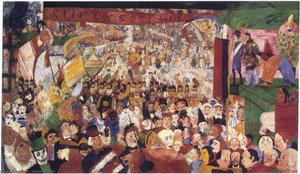
Carnival in Flanders
Veľkosť reprodukcie
James Ensor's “Carnival in Flanders,” painted in 1931, isn’t merely a depiction of a Belgian fête; it’s a meticulously crafted psychological portrait rendered in oil on canvas—a testament to the artist’s unwavering fascination with unsettling imagery and social critique. Created during the height of Expressionism, this artwork transcends its surface appearance, inviting viewers into a darkly humorous contemplation of human behavior and societal anxieties.
Symbolism & Emotional Impact: The central figure, holding an umbrella amidst a throng of others, embodies both vulnerability and defiance. Surrounding him are six umbrellas – a visual motif that Ensor frequently utilized to represent protection from external forces and the illusion of control. Notably, perched atop one of the figures is a bird—a symbol of freedom yet also of fragility, mirroring the precariousness of human existence within the spectacle of carnival.
Ensor’s masterful use of color contributes significantly to the artwork's emotional resonance. Dominant hues of crimson and ochre clash dramatically against muted browns and greens, creating a visual tension that mirrors the psychological turmoil depicted in the scene. The artist’s deliberate distortion of perspective further enhances this unsettling effect, immersing viewers in an atmosphere of disorientation and unease.
A reproduction of “Carnival in Flanders” offers an opportunity to engage with Ensor's profound artistic insights—a captivating glimpse into a world where joy masks despair and spectacle conceals unsettling truths. Its enduring power lies in its ability to provoke contemplation and challenge conventional perceptions of beauty and morality.


1860 - 1949 , Belgie

Ponorte sa do sveta expresionizmu! Prezkúmajte jeho históriu, kľúčových umelcov a investičný potenciál s . Kvalitné reprodukcie a odborné poradenstvo pre zberateľov.
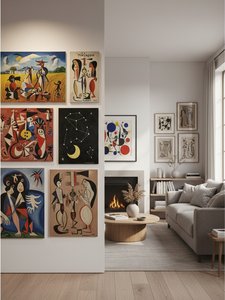
Ponorte sa do sveta Joana Miróa s našou exkluzívnou kolekciou 25 ikonických diel. Objavte príbehy za abstraktnými kompozíciami, surrealistickými motívmi a katalánskou farebnosťou. Reprodukcie obrazov pre váš dokonalý interiér na Most-Famous-Paintings.com.
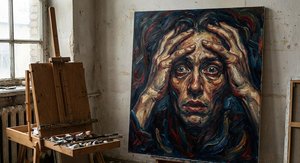
Explore the powerful world of Figurative Expressionism with Most-Famous-Paintings. Discover key artists like Kirchner & Beckmann, understand its emotional depth, and learn how to collect this influential 20th-century art movement.

Explore the artistic responses to the turning of the 19th century – Symbolism & Post-Impressionism. Discover Munch, Toulouse-Lautrec, and more with Most-Famous-Paintings's expert insights.

Explore the rich world of art symbolism! Uncover hidden meanings in masterpieces from Renaissance allegories to modern movements. A comprehensive guide for enthusiasts & collectors.


Zostaňte v obraze s najnovšími správami zo sveta umenia, exkluzívnymi ponukami a nápormi na dekoráciu.
Povedzte nám o svojom projekte a naši odborníci na umenie vám pripravia 3 personalizované návrhy umeleckých diel.
Nechajte si od nás vybrať 3 možnosti priamo pre vás – zadarmo!


 Zdieľať


 Zobraziť viac







 Možnosť skla je dostupná len pri rozmeroch pod 110 cm