x


 Objednať reprodukciu Kúpiť digitálnu verziu
 Odoslať
 Podrobnosti o dielo
 Pridať do obľúbených
 Stiahnuť
 Podobné diela
 RTG skúška
 Prezentácia
 Oil On CanvasWallArtExpressionistic Symbolism
 1883
1883 115.0 x 165.0 cm
Giclée tlač alebo plátno múzeálnej kvality s rýchlou výrobou a flexibilnými možnosťami povrchovej úpravy.





























Vyberte si z našich preddefinovaných rozmerov, ktoré zodpovedajú pôvodným pomeroḿ diela.

Môžete zadať vlastné rozmery, aby sa reprodukcia prispôsobila konkrétnemu rámu alebo priestoru. Ak zvolená veľkosť nebude zodpovedať proporciám originálu, dielo buď orežeme, alebo obraz rozšírime pomocou zrkadlenia či farebného doplnenia okrajov. Pred začatím výroby vám pošleme digitálnu ukážku na schválenie.
Máte na vedomí, že náhľad na obrazovke neodzrkadľuje skutočné orezanie alebo rozšírenie. Len digitálna ukážka presne zobrazí finálnu kompozíciu.
Hoci sú k dispozícii vlastné rozmery, pre zachovanie pôvodných proporcií odporúčame vybrať si rozmer z vopred definovaného zoznamu.
Celosvetová doprava () do 2 týždňov namiesto štandardných 4/5 týždňov. (20 júl)


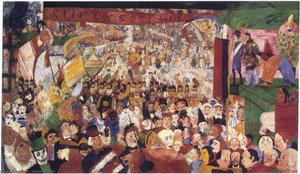
The Drunkards
Veľkosť reprodukcie
James Ensor's "The Drunkards," painted in 1883, isn’t merely a depiction of two men enjoying wine; it’s a meticulously crafted exploration of human vulnerability and the unsettling beauty found within moments of shared experience. Housed at The Minneapolis Institute of Arts, this oil on canvas offers a glimpse into the artist's uniquely dark and psychologically astute vision – a world saturated with masks, shadows, and an underlying current of melancholy. Ensor, born in Ostend, Belgium, to an English father and Belgian mother, possessed a perspective shaped by his upbringing amidst the vibrant chaos of a seaside resort town, a place brimming with theatricality and the allure of hidden identities. This early exposure undoubtedly fueled his lifelong preoccupation with disguise and the performance inherent in human interaction, themes powerfully realized within this evocative work.
“The Drunkards” is a masterclass in controlled darkness. Ensor’s deliberate choice of a predominantly black and white palette immediately establishes an atmosphere of introspection and quiet unease. The stark contrast amplifies the figures' isolation, drawing our attention to their faces – etched with weariness and perhaps a hint of resignation. The brushstrokes themselves are not smooth or polished; instead, they possess a restless energy, conveying a sense of urgency and emotional turbulence. This expressive technique is particularly evident in the rendering of the seated man’s face, where the paint seems to writhe with unspoken thoughts. The texture of the canvas itself contributes to this effect, inviting us to linger and examine the subtle shifts in tone and form.
Beyond its immediate depiction, “The Drunkards” is rich with symbolic weight. The bottle of wine, positioned centrally between the two men, can be interpreted as a potent symbol of connection – a shared ritual that momentarily bridges the gap between them. However, it also represents an escape, a temporary reprieve from the burdens of existence. The drunken state of one figure speaks to this desire for release, suggesting a yearning for oblivion or perhaps simply a rejection of societal expectations. The other man’s posture, observing his companion with a mixture of concern and perhaps even amusement, hints at the complexities of friendship and the acceptance of flawed humanity. The surrounding chairs and table further reinforce the sense of intimacy, while simultaneously highlighting the precariousness of their shared moment.
James Ensor’s work stands as a pivotal bridge between traditional academic painting and the burgeoning avant-garde movements of the late 19th century. Influenced by artists like Pierre-Auguste Renoir and Edouard Manet, yet forging his own distinct path, Ensor embraced elements of Expressionism and Surrealism – foreshadowing their later developments. His exploration of psychological themes, coupled with his unconventional use of color and composition, positioned him as a visionary artist ahead of his time. “The Drunkards” exemplifies this spirit of innovation, offering a raw and unflinching portrayal of human experience that continues to resonate with viewers today. It’s a piece that invites contemplation, prompting us to consider the hidden depths beneath the surface of everyday life and the enduring power of shared moments, however fleeting or unsettling they may be.


1860 - 1949 , Belgie
Ponorte sa do sveta Jamesa Abbotta McNeilla Whistlera! Objavte 25 ikonických diel amerického impresionistu – portréty, Nocturnes a farebné harmónie. Kúpiť reprodukcie obrazov pre luxusný interiér na Most-Famous-Paintings.com.

Objavte top 10 slávnych obrazov v odtieňoch bielej – Monet, Renoir a ďalší majstri. História umenia, techniky a inšpirácia pre váš interiér. Reprodukcie obrazov najvyššej kvality na Most-Famous-Paintings.com.

Objavte top 25 majstrovských diel Alfreda Jamesa Munninga – britského impresionistu oslávujúceho kone a krajinu. Historické maľby, portréty koní a vojnové scény v múzejnej kvalite. Nájdite perfektnú dekoráciu interiéru na Most-Famous-Paintings.com

Explore the unsettling yet captivating world of James Ensor, a pioneer of Expressionism. Discover his satirical masterpieces, symbolic imagery & lasting influence on modern art. High-quality reproductions available at Most-Famous-Paintings.

Objavte top 10 slávnych obrazov s dominantnou čiernou farbou od Rembrandta, Goya a ďalších majstrov. Prežite príbehy umenia, techniky a nadčasovej krásy. Reprodukcie obrazov pre váš interiér na Most-Famous-Paintings.sk – múzejná kvalita!


Zostaňte v obraze s najnovšími správami zo sveta umenia, exkluzívnymi ponukami a nápormi na dekoráciu.
Povedzte nám o svojom projekte a naši odborníci na umenie vám pripravia 3 personalizované návrhy umeleckých diel.
Nechajte si od nás vybrať 3 možnosti priamo pre vás – zadarmo!


 Zdieľať

 Zobraziť viac







 Možnosť skla je dostupná len pri rozmeroch pod 110 cm