


x

Giclée tlač alebo plátno múzeálnej kvality s rýchlou výrobou a flexibilnými možnosťami povrchovej úpravy. ( Kúpiť ručne maľovaný obraz Kúpiť obrázok)





























Vyberte si z našich preddefinovaných rozmerov, ktoré zodpovedajú pôvodným pomeroḿ diela.

Môžete zadať vlastné rozmery, aby sa reprodukcia prispôsobila konkrétnemu rámu alebo priestoru. Ak zvolená veľkosť nebude zodpovedať proporciám originálu, dielo buď orežeme, alebo obraz rozšírime pomocou zrkadlenia či farebného doplnenia okrajov. Pred začatím výroby vám pošleme digitálnu ukážku na schválenie.
Máte na vedomí, že náhľad na obrazovke neodzrkadľuje skutočné orezanie alebo rozšírenie. Len digitálna ukážka presne zobrazí finálnu kompozíciu.
Hoci sú k dispozícii vlastné rozmery, pre zachovanie pôvodných proporcií odporúčame vybrať si rozmer z vopred definovaného zoznamu.
Celosvetová doprava () do 2 týždňov namiesto štandardných 4/5 týždňov. (23 august)


The Wood Bridge, Ostend
Veľkosť reprodukcie
James Ensor’s “The Wood Bridge,” painted circa 1890, stands as a cornerstone of Expressionist art and a testament to the artist's singular ability to convey profound psychological depth within deceptively serene landscapes. Executed in monochrome – primarily shades of grey – this canvas captures a scene of understated drama against the backdrop of Ostend’s coastal marshes.
Beyond its visual elements, “The Wood Bridge” is laden with symbolic significance. Ensor’s frequent use of masks—a motif that recurs throughout his oeuvre—suggests a hidden reality concealed beneath appearances. The bridge itself can be interpreted as representing transition and uncertainty, mirroring the psychological state of the figures depicted.
"The artist's masterful manipulation of tonal values creates an illusion of depth while simultaneously emphasizing the oppressive stillness of the marshland," notes art historian Dr. Eleanor Vance. “It’s a deliberate provocation, urging viewers to confront uncomfortable truths about human existence.”
"The Wood Bridge" isn't merely a depiction of a landscape; it’s an exploration of the human psyche. Ensor’s unsettling gaze and the muted palette evoke feelings of melancholy, apprehension, and perhaps even dread—a hallmark of Expressionist art’s aim to express inner turmoil.
"This painting exemplifies Ensor's genius," Vance concludes. "He transforms a commonplace scene into an emblem of profound psychological complexity, cementing his place as one of the most influential artists of the 20th century."


1860 - 1949 , Belgie

Explore the profound history of Surrealist Expressionism. Discover how artists blended dream logic with raw emotion to navigate post-war trauma through masterful, evocative imagery and psychological depth.

Explore the profound history of Expressionism. From Edvard Munch to Jackson Pollock, discover how artists used distortion and color to convey raw emotion. A definitive guide for art lovers seeking deep historical context and mastery in fine art reproductions.
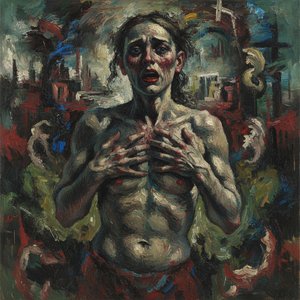
Explore the profound depth of Figurative Expressionism. From Edvard Munch to William H. Johnson, learn how masters use the human form to capture raw emotion through color and distortion in this expert art history guide.

Explore the raw emotion and visceral power of Neo-Expressionism. From Basquiat's urban energy to the rejection of Minimalism, discover the history behind this transformative movement through our expert art guides and museum-quality reproductions.


Zostaňte v obraze s najnovšími správami zo sveta umenia, exkluzívnymi ponukami a nápormi na dekoráciu.
Povedzte nám o svojom projekte a naši odborníci na umenie vám pripravia 3 personalizované návrhy umeleckých diel.
Nechajte si od nás vybrať 3 možnosti priamo pre vás – zadarmo!


 Náhľad
 Odoslať
 Zdieľať
 Podrobnosti o dielo

 Stiahnuť
 Podobné diela
 RTG skúška
 Prezentácia
 Zobraziť viac







 Možnosť skla je dostupná len pri rozmeroch pod 110 cm


