x

Giclée tlač alebo plátno múzeálnej kvality s rýchlou výrobou a flexibilnými možnosťami povrchovej úpravy. ( Kúpiť ručne maľovaný obraz Kúpiť obrázok)





























Vyberte si z našich preddefinovaných rozmerov, ktoré zodpovedajú pôvodným pomeroḿ diela.

Môžete zadať vlastné rozmery, aby sa reprodukcia prispôsobila konkrétnemu rámu alebo priestoru. Ak zvolená veľkosť nebude zodpovedať proporciám originálu, dielo buď orežeme, alebo obraz rozšírime pomocou zrkadlenia či farebného doplnenia okrajov. Pred začatím výroby vám pošleme digitálnu ukážku na schválenie.
Máte na vedomí, že náhľad na obrazovke neodzrkadľuje skutočné orezanie alebo rozšírenie. Len digitálna ukážka presne zobrazí finálnu kompozíciu.
Hoci sú k dispozícii vlastné rozmery, pre zachovanie pôvodných proporcií odporúčame vybrať si rozmer z vopred definovaného zoznamu.
Celosvetová doprava () do 2 týždňov namiesto štandardných 4/5 týždňov. (19 august)


Opera Singer
Veľkosť reprodukcie
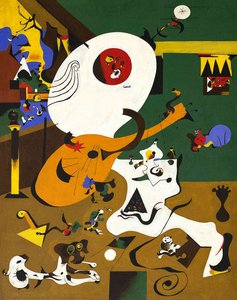
To gaze upon Joan Miró’s Opera Singer is to surrender the logic of the waking world and descend into a fragmented, dreamlike realm where the boundaries of reality dissolve. This captivating work serves as a profound window into the subconscious, presenting a scene that feels simultaneously alien and intimately familiar. At its heart lies a central figure—a character reminiscent of an opera singer—yet Miró deliberately aband entirely traditional representation. Instead, he offers us a mask-like face, exaggerated and haunting, clutching a mysterious scroll. This single element introduces a sense of theatricality and hidden narrative, as if we have stumbled upon a private moment of performance or the uncovering of a long-lost secret. The composition eschews conventional perspective, opting instead for flattened planes and a dynamic arrangement of shapes that creates an unmistakable sense of intrigue and psychological depth.
The emotional resonance of the piece lies in its ability to evoke both wonder and a subtle, lingering unease. Through the use of bold, contrasting colors and sharply defined, angular lines, Miró constructs a visual language that speaks directly to the primal emotions. The background, a dark and textured brown, acts as a somber stage, providing a stark, dramatic contrast to the brightly colored figures that dance across the canvas. This interplay of light and shadow, though appearing flat and even without a clear source of illumination, contributes to the work's ethereal, nocturnal quality. For the collector or the interior designer, this painting offers more than mere decoration; it provides a focal point of intellectual stimulation, inviting viewers to linger on its surface and lose themselves in its enigmatic layers.
Miró’s mastery is most evident in his sophisticated mixed-media approach, where the fluidity of oil paint meets the tactile richness of collage. In Opera Singer, the artist integrates paper fragments and cutouts directly into the canvas, creating a complex, multi-dimensional surface that rewards close examination. This technique introduces an element of chance and spontaneity, mirroring the unpredictable nature of dreams themselves. The brushwork is a beautiful contradiction—expressive and energetic, yet controlled enough to maintain the structural integrity of his geometric deconstructions. This synthesis of Cubist fragmentation and Surrealist imagery allows the artwork to exist in a state of constant motion, where organic, plant-like forms seem to grow and decay simultaneously against rigid, abstract planes.
Beyond its technical brilliance, the painting is a dense tapestry of symbolism. The mask serves as a potent metaphor for anonymity, the performative nature of identity, or the many faces we wear in society. The scroll, held so deliberately by the central figure, symbolizes the weight of knowledge, communication, and the narratives that define our existence. Even the more abstract elements, such as the spindly, organic shapes, suggest the interconnectedness of life and the cyclical nature of growth. For those seeking to bring a piece of art history into their personal spaces, a high-quality reproduction of this masterpiece offers an opportunity to possess a fragment of the Catalan visionary's soul—a work that continues to challenge our perceptions and celebrate the boundless reaches of human imagination.

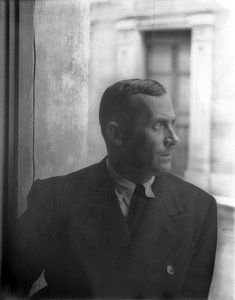
1893 - 1983 , Španielsko

Explore the revolutionary world of Cubism. Discover how masters Pablo Picasso and Georges Braque dismantled reality through geometric abstraction to redefine modern art history.
Explore the profound emotional depth of Lyrical Abstraction. Discover how masters like Raymond Parker used color and form to bridge Impressionism and Abstract Expressionism. Learn about this pivotal movement through our expert-led art history guide.

Explore the profound emotional depth of Color Field painting. Discover the history of mid-century abstraction, from Rothko to Newman, and learn how pure color transforms the viewer's experience through our expert art history guide.

Explore the revolutionary world of Cubism. Discover how Pablo Picasso and Georges Braque dismantled perspective to redefine modern art through geometric innovation and analytical mastery. An essential guide for art students, collectors, and history enthusiasts.


Zostaňte v obraze s najnovšími správami zo sveta umenia, exkluzívnymi ponukami a nápormi na dekoráciu.
Povedzte nám o svojom projekte a naši odborníci na umenie vám pripravia 3 personalizované návrhy umeleckých diel.
Nechajte si od nás vybrať 3 možnosti priamo pre vás – zadarmo!


 Náhľad
 Odoslať
 Zdieľať
 Podrobnosti o dielo

 Stiahnuť
 Podobné diela
 RTG skúška
 Prezentácia

 Zobraziť viac







 Možnosť skla je dostupná len pri rozmeroch pod 110 cm