x


Ručne maľovaný olej na plátne vo vašej zvolenej veľkosti a v ráme, vyrobený na mieru našimi umelcami. ( Prejsť na tlač Prepnúť na obrázok)





























Vyberte si z našich preddefinovaných rozmerov, ktoré zodpovedajú pôvodným pomeroḿ diela.

Môžete zadať vlastné rozmery tak, aby sa hodili do konkrétneho rámu alebo priestoru. Ak sa váš zvolený rozmer nezhoduje s pôvodnými proporciami obrazu, dielo buď orezáme, alebo ho doplníme ručne maľovanými prvkami. Pred začiatkom výroby vám zašleme digitálny náhľad na schválenie.
Upozorňujeme, že ukážka na obrazovke neodráža skutočné orezanie alebo doplnenie. Skutočnú finálnu kompozíciu zobrazuje iba digitálny náhľad.
Hoci sú k dispozícii vlastné rozmery, odporúčame vybrať rozmer z preddefinovaného zoznamu, aby sme zachovali pôvodné proporcie.
Celosvetová doprava () za 3 až 4 týždne namiesto štandardných 5 týždňov. (1 august). Bez kompromisov v kvalite.


Crashed Aeroplane
Veľkosť reprodukcie
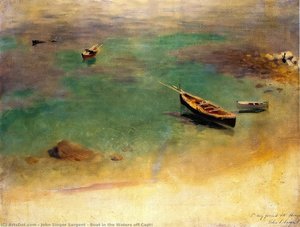
John Singer Sargent's "Crashed Aeroplane," painted in 1918, is more than just a depiction of a rural scene; it’s a poignant snapshot of humanity confronting the unsettling intrusion of modernity. Created during the tumultuous years of World War I, the painting captures a remarkable moment of resilience and adaptation – a farmer continuing his labor amidst the wreckage of an aircraft, a visual testament to the era's rapid technological advancements and their immediate impact on everyday life.
Sargent’s technique in “Crashed Aeroplane” is immediately recognizable. He utilizes loose, expressive brushstrokes, particularly evident in the depiction of the wheat field, to convey a sense of immediacy and texture. The subtle gradations of light and shadow create a remarkable three-dimensionality, lending a palpable realism to the figures and their surroundings. His ability to capture fleeting moments of light – particularly noticeable in the reflections on the aircraft’s metal – is a hallmark of his work. This painting exemplifies Sargent's preference for capturing not just appearances but also the *feeling* of a scene, imbuing it with an emotional resonance.
"Crashed Aeroplane" was painted in 1918, a year marked by the final stages of World War I. The appearance of aircraft – initially symbols of technological progress – transformed into instruments of destruction, profoundly impacting civilian life. Sargent’s choice to depict a farmer continuing his work alongside the wreckage speaks volumes about human adaptability and the enduring spirit of labor in the face of adversity. The plane itself can be interpreted as a symbol of both innovation and devastation, reflecting the complex anxieties of the era. The scene subtly questions the relationship between progress and destruction, a theme that resonated deeply with viewers grappling with the war’s consequences.
Sargent's "Crashed Aeroplane" transcends its historical context to offer a timeless meditation on human resilience and our ability to find purpose even in the most unsettling circumstances. The painting evokes a sense of quiet contemplation, prompting viewers to consider the impact of technology on society and the enduring strength of the human spirit. This work stands as a testament to Sargent’s artistic genius – his ability to capture not just visual reality but also profound emotional truths. A hand-painted reproduction offers an unparalleled opportunity to experience the full power and beauty of this iconic image.

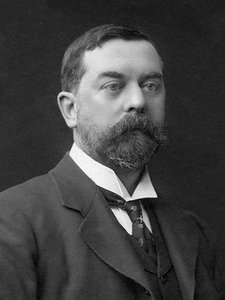
1856 - 1925 , Taliansko

Objavte nadčasovú krásu vintage umenia s ! Kvalitné reprodukcie obrazov, personalizované návrhy a dostupnosť pre každého. Premeňte svoj domov na galériu!

Explore the captivating world of vintage paintings! Discover key styles, cultural significance & collecting tips from art experts at Most-Famous-Paintings. Find authentic reproductions and elevate your home décor.

Explore the powerful social commentary & artistic representation of American Realism. Discover key artists like Bellows & Sloan, and understand the movement's lasting impact on 20th-century art history.

Explore the revolutionary artistic transformations of early 20th-century painting – Fauvism, Cubism & more. Discover key artists and movements shaping modern art history with Most-Famous-Paintings.

Explore the captivating world of vintage art prints! Discover their history, collecting tips & enduring appeal. Expert insights on chromolithography and building a legacy collection with Most-Famous-Paintings.


Zostaňte v obraze s najnovšími správami zo sveta umenia, exkluzívnymi ponukami a nápormi na dekoráciu.
Povedzte nám o svojom projekte a naši odborníci na umenie vám pripravia 3 personalizované návrhy umeleckých diel.
Nechajte si od nás vybrať 3 možnosti priamo pre vás – zadarmo!


 Náhľad
 Odoslať
 Zdieľať
 Podrobnosti o dielo

 Stiahnuť
 Podobné diela
 RTG skúška
 Prezentácia

 Zobraziť viac







 Možnosť skla je dostupná len pri rozmeroch pod 110 cm