


x


 Preview
 Kúpiť tlač Kúpiť digitálnu verziu
 Odoslať
 Podrobnosti o dielo
 Pridať do obľúbených
 Stiahnuť
 Podobné diela
 RTG skúška
 Prezentácia
 Contemporary Realism
 1936
1936 29.0 x 35.0 cm
Ručne maľovaný olej na plátne vo vašej zvolenej veľkosti a v ráme, vyrobený na mieru našimi umelcami.
Vyberte si z našich preddefinovaných rozmerov, ktoré zodpovedajú pôvodným pomeroḿ diela.

Môžete zadať vlastné rozmery tak, aby sa hodili do konkrétneho rámu alebo priestoru. Ak sa váš zvolený rozmer nezhoduje s pôvodnými proporciami obrazu, dielo buď orezáme, alebo ho doplníme ručne maľovanými prvkami. Pred začiatkom výroby vám zašleme digitálny náhľad na schválenie.
Upozorňujeme, že ukážka na obrazovke neodráža skutočné orezanie alebo doplnenie. Skutočnú finálnu kompozíciu zobrazuje iba digitálny náhľad.
Hoci sú k dispozícii vlastné rozmery, odporúčame vybrať rozmer z preddefinovaného zoznamu, aby sme zachovali pôvodné proporcie.
Celosvetová doprava () za 3 až 4 týždne namiesto štandardných 5 týždňov. (24 júl). Bez kompromisov v kvalite.


Cherry Table
Veľkosť reprodukcie

Karl Buergerniss, also known as Carl Buergerniss, was a German artist born in Berlin in 1875 and died in 1951. While biographical details about his life remain scarce, his artistic legacy is firmly established through the remarkable intricacy and detail of his graphite pencil drawings. His work offers a fascinating glimpse into everyday objects and scenes rendered with exceptional skill, showcasing a unique blend of observation and subtle expressionism.
Buergerniss's primary medium was the graphite pencil, which he wielded with extraordinary precision. He employed it to create highly detailed drawings that capture textures, light, and shadow with remarkable fidelity. His style is often associated with Expressionism, a movement prominent in Germany and Austria during the early 20th century, though his work possesses a distinct character beyond simple categorization. Unlike many expressionist artists who prioritized distortion or abstraction, Buergerniss focused on meticulous realism, albeit infused with a quiet emotional depth. The range of tonal values he achieved using graphite—from delicate highlights to deep shadows—contributed significantly to the expressive power of his drawings.
While a clear artistic development trajectory is difficult to trace due to limited documentation, his work consistently demonstrates a refinement of technique and a deepening understanding of light and form. His later works, like "Stereoscope," suggest an increasing interest in depicting objects with a sense of narrative or implied story.
Although direct influences are not definitively documented, Buergerniss's meticulous style suggests an appreciation for academic draftsmanship and the tradition of detailed still-life painting. The Expressionist movement’s emphasis on subjective experience likely informed his approach to depicting everyday objects, imbuing them with a quiet emotional resonance. His work stands as a testament to the power of observation and technical mastery in art. While not widely known during his lifetime, Buergerniss's drawings have gained recognition for their unique qualities and offer valuable insights into German artistic culture of the early to mid-20th century.
Karl Buergerniss’s legacy lies in his exceptional skill with graphite pencil and his ability to transform ordinary objects into compelling works of art. His work has inspired other artists to explore the possibilities of this medium, and continues to captivate viewers with its detail and quiet beauty. Further research can be found at:
Institutions like the Bauhaus Dessau Foundation in Germany hold collections of his work, providing valuable context and background information.

1875 - 1951 , Germany

Objavte top 25 diel Metropolitného múzea umenia v New Yorku! Prežite príbehy Van Gogha, Moneta a ďalších majstrov. Reprodukcie obrazov pre váš interiér – luxusné dekorácie na Most-Famous-Paintings.com.
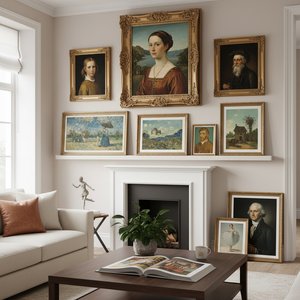
Objavte top 25 diel Národnej galérie umenia vo Washingtone! Prežite príbehy Cézanna, Matissea a Picassa. Reprodukcie obrazov pre luxusný interiér na Most-Famous-Paintings.com – múzejná kvalita a inšpirácia pre váš domov.
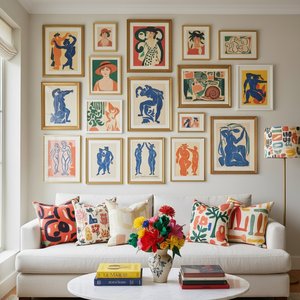
Ponorte sa do sveta Henriho Matissea s našou exkluzívnou kolekciou 25 ikonických diel. Objavte príbehy za fauvizmom, farebnými kompozíciami a moderným umením. Reprodukcie obrazov pre luxusný interiér na Most-Famous-Paintings.com – preskúmajte celý katalóg online!
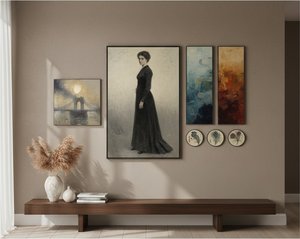
Ponorte sa do sveta Jamesa Abbotta McNeilla Whistlera! Objavte 25 ikonických diel amerického impresionistu – portréty, Nocturnes a farebné harmónie. Kúpiť reprodukcie obrazov pre luxusný interiér na Most-Famous-Paintings.com.
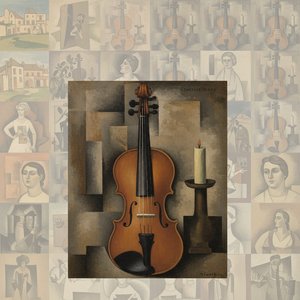
Ponorte sa do sveta Georges Braquea a jeho 25 ikonických diel! Objavte príbehy za kubistickými majstrovskými dielmi, impresionistické odtiene a revolučné techniky. Luxusné reprodukcie obrazov pre váš interiér na Most-Famous-Paintings.com.


Zostaňte v obraze s najnovšími správami zo sveta umenia, exkluzívnymi ponukami a nápormi na dekoráciu.
Povedzte nám o svojom projekte a naši odborníci na umenie vám pripravia 3 personalizované návrhy umeleckých diel.
Nechajte si od nás vybrať 3 možnosti priamo pre vás – zadarmo!


 Zdieľať

 Zobraziť viac




































 Možnosť skla je dostupná len pri rozmeroch pod 110 cm


