Predávajte svoje umenie
Žavčekov zoznam Nákupný košík Cart
NáhľadNáhľad AR náhľadAR náhľad Kúpiť tlač Kúpiť tlačKúpiť ručne maľovaný obraz Kúpiť ručne maľovaný obraz OdoslaťOdoslať
Podrobnosti o dieloPodrobnosti o dielo Pridať do obľúbených Pridať do obľúbených StiahnuťStiahnuť Podobné dielaPodobné diela RTG skúškaRTG skúška PrezentáciaPrezentácia

Bird

Explore the skillful nihonga-influenced paintings of Kim Eun-ho, a Korean artist active during Japan's colonial period. Admire his work at Korea’s national museums.

Kúpte si digitálnu snímku vo vysokom rozlíšení s vylepšenými detailmi, ktorá je oveľa kvalitnejšia než online náhľad.

Každý súbor starostlivo pripravujú naši interní špecialisti pomocou pokročilých nástrojov a odborného manuálneho retušovania. Zabezpečujeme, aby každý obrázok disponoval výnimočnou čistotou, presnou farebnou vernosťou a jemnými detailmi.

Konečný súbor vám bude doručený e-mailom do 72 hodín, optimalizovaný pre okamžité použitie v profesionálnom, redakčnom aj tlačovom prostredí. Ide o rovnakú kvalitu, ktorej dôverajú špičkové dizajnérske štúdiá, vydavateľstvá a galérie.

Digitálny obraz

Stiahnite si vysokorozlíšený súbor na osobné zobrazovanie, tlačenie a kreatívne projekty. (Kúpiť tlač Kúpiť tlačKúpiť ručne maľovaný obraz Kúpiť ručne maľovaný obraz)

Celková cena

$ 24,90

Súčasťou každej objednávky digitálneho obrazu

Expetórne digitálne doručenie, garantované

Keď si vyberiete Most-Famous-Paintings.com, nedostávate len obrázok – získate profesionálne upravené digitálne umenie, vytvorené s precíznosťou a so zárukou vašej maximálnej spokojnosti. Tu je všetko, čo je súčasťou vašej objednávky automaticky:

shipping_icon
Rýchle doručenie e-mailom

Vaša vysokorozlíšená digitálna súprava obrázkov vám bude zaslaná e-mailom do 72 hodín od objednávky – pripravená na okamžité použitie.

canvas_icon
Digitálny súbor s vylepšením AI

Vaše dielo je profesionálne optimalizované pomocou pokročilých nástrojov umelej inteligencie a manuálnej editácie, čo zaručuje maximálnu úroveň detailov, čistotu a presnosť farieb.

insurance_icon
Bezplatné celoživotné opätovné doručenie

Náhodou ste zmazali alebo ste stratili svoj súbor? Nebavžte sa – pošleme vám ho kedykoľvek znova, úplne bez poplatkov.

tax_icon
Bez poplatkov za dovoz – navždy

Užite si svoje umelodelo okamžite bez colných poplatkov, daní alebo nákladov na dopravu – digitálne stiahnutia sú vždy oslobodené od dane.

color_icon
Garantovaná presnosť farieb

Pomocou profesionálnych nástrojov a farebného manažmentu zabezpečujeme, aby vaša digitálna fotografia čo najpresnejšie odrážala pôvodné farby.

return_icon
60-dňová záruka spokojnosti

Ak nebudete spokojní so svojou digitálnou fotografiou, upravíme ju alebo vám vrátime 100% v priebehu 60 dní – bez zbytočných otázok.

guarantee_icon
100% Záruka vrátenia peňazí

Nie ste spokojní? Získajte plnú náhradu peňazí do 60 dní od prijatia vášho digitálneho súboru – bez zbytočných otázok.

discount_icon
Zľavy pri veľkom odbere

Kúpte si 3 obrazy, ušetrite 10% - Kúpte si 5, ušetrite 15% - Kúpte si 10+, ušetrite 20%. Ideálne pre kreatívne projekty, galérie a agentúry.

Popis zberateľského predmetu

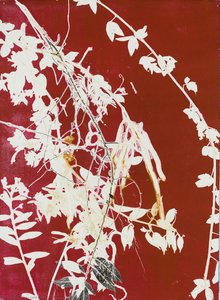
Kim Eun-ho completed many landscape, bird and flower paintings—as well as those of birds and animals—and he was especially good at accurately detailed colored paintings. In the center of this painting a bird sits on the branch of a cherry tree in autumn, and behind that are the twigs of a low bamboo tree. He depicts worm-eaten leaves with remarkable accuracy and the bird as if a stuffed bird had served as his model, reminding us of pictures painted in modern Japan.

Životopis umelca

Kim Eun-ho: Bridging Tradition and Modernity in Korean Painting

Kim Eun-ho (1892–1979) stands as a pivotal figure in the evolution of Korean painting, a master who skillfully navigated the complexities of tradition and modernity during a period of profound cultural transformation. Born in Incheon, Korea, his artistic journey was deeply intertwined with the tumultuous events of Japanese colonial rule and the subsequent struggle for independence. Eun-ho’s legacy isn't simply one of technical skill; it’s a testament to his ability to synthesize influences—particularly from Nihonga (Japanese painting) – while retaining a distinctly Korean sensibility, ultimately shaping the trajectory of Korean art in the 20th century.

Early Life and Artistic Training

Eun-ho's early life was marked by both privilege and hardship. He received a solid education, initially studying calligraphy and then pursuing painting at the Kyongsong School of Calligraphy and Painting, an institution established to train Korean artists in the Western tradition. This school, under the guidance of Yun Yeong-gi, provided Eun-ho with a foundational understanding of artistic principles, but crucially, it also exposed him to the burgeoning influence of Nihonga – a style characterized by its emphasis on brushwork, atmospheric perspective, and a rejection of Western academic techniques. Following his graduation in 1915, he traveled to Tokyo, where he further honed his skills at the Tokyo School of Fine Arts, immersing himself in Japanese artistic practices and developing a deep appreciation for the nuances of Nihonga. This period was instrumental in shaping his distinctive style, blending Korean aesthetics with the meticulous techniques of his Japanese mentors.

The Influence of Nihonga and the Joseon Art Exhibition

Eun-ho’s embrace of Nihonga proved to be a defining characteristic of his artistic career. He skillfully adopted its emphasis on direct brushwork, simplified forms, and a focus on capturing the essence of subjects rather than meticulously rendering every detail. This approach resonated deeply with Korean artists seeking to assert their own identity within the context of Japanese colonial rule. Crucially, Eun-ho’s work gained recognition through the prestigious Joseon Art Exhibition (Chōsen misul jeollamhoe), established by the Japanese government in 1922. This exhibition served as a key platform for showcasing Korean art and determining its official categorization – traditionally divided into ‘Oriental’ (Dongyanghwa) and ‘Western’ styles. Eun-ho's consistent inclusion in this exhibition, particularly within the Dongyanghwa section, solidified his position as a leading figure in the Korean art world and provided him with invaluable exposure. However, it also highlighted the inherent complexities of navigating an artistic landscape shaped by colonial control.

Subject Matter and Artistic Style: Women, Nature, and Symbolism

Eun-ho’s paintings frequently centered on themes of femininity, domesticity, and the natural world. He was particularly renowned for his depictions of women – often portrayed in serene, contemplative poses, engaged in everyday activities such as raising children or tending to their gardens. These images weren't simply portraits; they were imbued with a sense of quiet dignity and timeless beauty, reflecting a traditional Korean ideal of womanhood. Alongside these intimate scenes, Eun-ho also produced landscapes that captured the essence of Korea’s diverse scenery – mountains, rivers, and forests rendered with a delicate balance of color and brushwork. His style was characterized by its subtle gradations of tone, meticulous attention to detail, and a masterful command of ink and color. He frequently employed a muted palette, creating an atmosphere of tranquility and introspection.

Postwar Recognition and Legacy

Following Korea’s liberation in 1945, Eun-ho continued to paint, adapting his style to reflect the changing political and social landscape. He became a significant influence on subsequent generations of Korean artists, particularly those who sought to establish a distinctly “Korean” artistic identity. His work was exhibited both domestically and internationally, earning him recognition as one of Korea’s most important painters. Despite controversies surrounding some of his earlier works produced during the colonial period – specifically paintings that glorified Japanese imperialism – Eun-ho's contributions to Korean painting remain undeniable. He demonstrated a remarkable ability to synthesize diverse influences, creating a body of work that is both deeply rooted in tradition and remarkably forward-looking. Kim Eun-ho’s legacy endures as a testament to the power of art to transcend political boundaries and express universal human experiences. His paintings continue to be studied and admired for their beauty, technical skill, and profound cultural significance.
kim eun-ho (1892-1979)

kim eun-ho (1892-1979)

1892 - 1979 , South Korea

Základné informácie

  • Artistic Movement Or Style: Nihonga, Eastern painting
  • Artists Or Movements Influenced By This Artist: ['Japanese nihonga']
  • Artists Who Influenced This Artist:
    • Yun Yeong-gi
    • Kim Ki-chang
  • Date Of Birth: June 24, 1892
  • Date Of Death: February 7, 1979
  • Full Name: Kim Eun-ho
  • Nationality: Korean
  • Notable Artworks:
    • Bird
    • White Crane Mural
  • Place Of Birth: Haksan-ri, Incheon, Korea