x

 LithographWallArtNaive Art
 1960Modern
 57.0 x 38.0 cm
Ručne maľovaný olej na plátne vo vašej zvolenej veľkosti a v ráme, vyrobený na mieru našimi umelcami. ( Kúpiť tlač Kúpiť obrázok)





























Vyberte si z našich preddefinovaných rozmerov, ktoré zodpovedajú pôvodným pomeroḿ diela.

Môžete zadať vlastné rozmery tak, aby sa hodili do konkrétneho rámu alebo priestoru. Ak sa váš zvolený rozmer nezhoduje s pôvodnými proporciami obrazu, dielo buď orezáme, alebo ho doplníme ručne maľovanými prvkami. Pred začiatkom výroby vám zašleme digitálny náhľad na schválenie.
Upozorňujeme, že ukážka na obrazovke neodráža skutočné orezanie alebo doplnenie. Skutočnú finálnu kompozíciu zobrazuje iba digitálny náhľad.
Hoci sú k dispozícii vlastné rozmery, odporúčame vybrať rozmer z preddefinovaného zoznamu, aby sme zachovali pôvodné proporcie.
Celosvetová doprava () za 3 až 4 týždne namiesto štandardných 5 týždňov. (19 august). Bez kompromisov v kvalite.


Crucifixion
Veľkosť reprodukcie
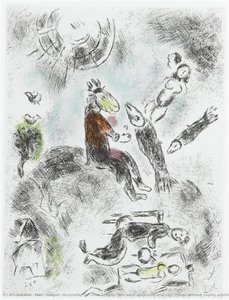
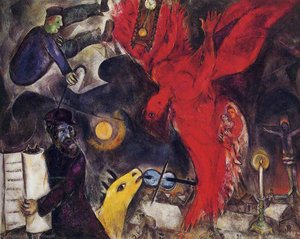
Marc Chagall's “Crucifixion,” painted in 1964, isn’t merely a depiction of a biblical scene; it’s an immersive experience—a vibrant collision of memory, faith, and the artist’s deeply personal vision. Executed as a lithograph on paper, this work transcends its medium, radiating with an almost palpable energy that draws the viewer into the heart of the drama. Chagall, a master of distilling profound emotion from simple forms, eschews photographic realism in favor of a powerfully symbolic language rooted in his Jewish heritage and the folklore of his childhood in Vitebsk, Belarus. The painting immediately arrests the eye with its bold colors—a striking contrast of deep blues and reds against a luminous white background—and its dynamic composition, where figures reach upwards towards an unseen divine presence.
To understand “Crucifixion,” it’s crucial to delve into Chagall's formative years in Vitebsk. The town, a melting pot of Russian Orthodox and Jewish cultures, profoundly shaped his artistic sensibility. He frequently depicted its landscapes—rolling fields, winding rivers, and the distinctive architecture—as symbols of memory and belonging. This painting is no exception; elements reminiscent of Vitebsk subtly permeate the composition, hinting at a deeper connection to Chagall’s past. The figures reaching upwards, for instance, recall the traditional Jewish custom of raising arms in prayer, while the ladder-like structure suggests a pathway towards spiritual ascension.
Symbolism:“Crucifixion” isn’t simply a religious painting; it's a meditation on suffering, hope, and the enduring power of faith. Chagall, who himself experienced profound loss and displacement throughout his life—including exile during World War II—infused this work with an intensely personal resonance. The painting speaks to universal themes of sacrifice, redemption, and the human condition, inviting viewers to contemplate their own beliefs and experiences. It’s a testament to Chagall's ability to transform deeply felt emotions into art that transcends time and culture. Its enduring appeal lies in its capacity to evoke both sorrow and serenity, reminding us of the complexities of faith and the beauty found within moments of profound human experience.
High-quality reproductions of “Crucifixion” are readily available through various art dealers and online platforms. For a deeper understanding of Chagall’s life and work, we recommend exploring the resources listed below:

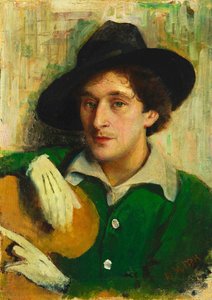
1887 - 1985 , Bielorusko

Explore the profound history of Surrealist Expressionism. Discover how artists blended dream logic with raw emotion to navigate post-war trauma through masterful, evocative imagery and psychological depth.

Explore the profound artistry of black and white photography. From the chemistry of gelatin silver to the chiaroscuro of the Old Masters, discover how monochrome captures the eternal essence of light, form, and emotion for the discerning art collector.


Zostaňte v obraze s najnovšími správami zo sveta umenia, exkluzívnymi ponukami a nápormi na dekoráciu.
Povedzte nám o svojom projekte a naši odborníci na umenie vám pripravia 3 personalizované návrhy umeleckých diel.
Nechajte si od nás vybrať 3 možnosti priamo pre vás – zadarmo!


 Náhľad
 Odoslať
 Zdieľať
 Podrobnosti o dielo

 Stiahnuť
 Podobné diela
 RTG skúška
 Prezentácia
 Zobraziť viac







 Možnosť skla je dostupná len pri rozmeroch pod 110 cm