x


 Objednať reprodukciu Kúpiť digitálnu verziu
 Odoslať
 Podrobnosti o dielo
 Pridať do obľúbených
 Stiahnuť
 Podobné diela
 RTG skúška
 Prezentácia
 EtchingOtherNaive Art / Primitivism
 1923Early Medieval
 278.0 x 211.0 cm
Giclée tlač alebo plátno múzeálnej kvality s rýchlou výrobou a flexibilnými možnosťami povrchovej úpravy.
Vyberte si z našich preddefinovaných rozmerov, ktoré zodpovedajú pôvodným pomeroḿ diela.

Môžete zadať vlastné rozmery, aby sa reprodukcia prispôsobila konkrétnemu rámu alebo priestoru. Ak zvolená veľkosť nebude zodpovedať proporciám originálu, dielo buď orežeme, alebo obraz rozšírime pomocou zrkadlenia či farebného doplnenia okrajov. Pred začatím výroby vám pošleme digitálnu ukážku na schválenie.
Máte na vedomí, že náhľad na obrazovke neodzrkadľuje skutočné orezanie alebo rozšírenie. Len digitálna ukážka presne zobrazí finálnu kompozíciu.
Hoci sú k dispozícii vlastné rozmery, pre zachovanie pôvodných proporcií odporúčame vybrať si rozmer z vopred definovaného zoznamu.
Celosvetová doprava () do 2 týždňov namiesto štandardných 4/5 týždňov. (22 júl)


Sobakevitch
Veľkosť reprodukcie
Marc Chagall’s “Sobakevitch,” created in 1923, isn't merely a depiction of two figures; it’s a portal into the artist’s deeply personal world—a realm where folklore intertwines with memory and reality blurs at the edges. This striking black-and-white etching, housed within Most-Famous-Paintings’s meticulously crafted hand-painted reproductions, immediately captivates with its naive style, reminiscent of early Primitivism. The composition, vertically oriented, draws the eye to the central figure, a man radiating an almost mischievous charm, positioned slightly off-center against a subtly suggested background. The deliberate simplification of forms—exaggerated proportions and bold outlines—is characteristic of Chagall’s approach, inviting us to look beyond literal representation and into the emotional core of the scene.
Chagall's mastery lies in his skillful manipulation of line. The etching technique itself—drawing on a surface and then using acid to create recessed lines—generates a wonderfully tactile quality, a grainy texture that speaks to the immediacy of the process. The extensive use of hatching and cross-hatching isn’t simply about shading; it's a deliberate strategy for building volume and suggesting depth within a largely flattened space. Notice how these linear elements define the figures’ outlines with remarkable clarity, yet simultaneously create an atmosphere of quiet intimacy. The monochromatic palette—a study in shades of black and white—amplifies this effect, forcing us to focus on the nuances of line and form, creating a powerful visual contrast.
“Sobakevitch” is more than just a portrait; it's a window into Chagall’s personal universe, deeply rooted in his Belarusian heritage. The subject, identified as Madame Sobakevitch, appears with an amused expression, suggesting a playful dynamic between the two figures. While specific symbolism remains elusive—Chagall often layered meaning within his work—the exaggerated features and posture hint at a lighthearted mood, echoing the whimsical nature of folklore and memory that frequently permeated his art. Considering Chagall’s upbringing in Vitebsk, a city brimming with cultural exchange between Russian Orthodox and Jewish communities, it's not surprising that elements of this rich tapestry find their way into this image. The work evokes a sense of nostalgia, perhaps for a simpler time or a cherished relationship—a feeling amplified by the dreamlike quality inherent in Chagall’s style.
Created in 1923, “Sobakevitch” reflects a pivotal moment in Chagall's career. Following his time in Vitebsk, he established himself as a leading figure in Paris’s avant-garde scene, embracing the influence of Cubism and Fauvism while retaining his distinctive voice. As evidenced by the supplementary research available on WikiArt, this piece exemplifies his signature naive style—a deliberate departure from academic realism that prioritized emotional expression and personal vision. Most-Famous-Paintings's hand-painted reproductions capture not only the visual details but also the spirit of this remarkable artwork, offering a tangible connection to Chagall’s extraordinary legacy. Consider commissioning a reproduction for your home – a beautiful addition that speaks volumes about your appreciation for art history and the enduring power of imagination.
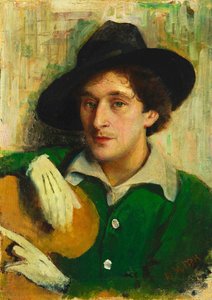
1887 - 1985 , Bielorusko

Objavte monochromatickú eleganciu v interiéroch! Sprievodca pre hotelových dizajnérov o využití čiernej, bielej a šedej farieb. Tipy na svetlo, textúru a materiály pre luxusný dizajn.

Explore the revolutionary world of Naïve Art & Primitivism! Discover how artists challenged academic traditions with raw emotion & unique styles. Learn about Picasso, Rousseau & more at Most-Famous-Paintings.
Objavte top 10 slávnych obrazov s dominantnou čiernou farbou od Rembrandta, Goya a ďalších majstrov. Prežite príbeh umenia, techniky a nadčasovej krásy. Reprodukcie obrazov pre váš domov na Most-Famous-Paintings.com

Explore the rich history & artistic power of black and white photography. From early techniques to iconic masters like Ansel Adams, discover why monochrome continues to captivate art lovers today. Expert insights for collectors.

Explore the captivating world of monochrome art! Discover its rich history, influential artists like Malevich & Klein, and profound emotional impact. Expert insights for collectors & design enthusiasts.


Zostaňte v obraze s najnovšími správami zo sveta umenia, exkluzívnymi ponukami a nápormi na dekoráciu.
Povedzte nám o svojom projekte a naši odborníci na umenie vám pripravia 3 personalizované návrhy umeleckých diel.
Nechajte si od nás vybrať 3 možnosti priamo pre vás – zadarmo!


 Zdieľať

 Zobraziť viac




































 Možnosť skla je dostupná len pri rozmeroch pod 110 cm