x

 Objednať reprodukciu Kúpiť digitálnu verziu
 Odoslať
 Podrobnosti o dielo
 Pridať do obľúbených
 Stiahnuť
 Podobné diela
 RTG skúška
 Prezentácia
Giclée tlač alebo plátno múzeálnej kvality s rýchlou výrobou a flexibilnými možnosťami povrchovej úpravy.





























Vyberte si z našich preddefinovaných rozmerov, ktoré zodpovedajú pôvodným pomeroḿ diela.

Môžete zadať vlastné rozmery, aby sa reprodukcia prispôsobila konkrétnemu rámu alebo priestoru. Ak zvolená veľkosť nebude zodpovedať proporciám originálu, dielo buď orežeme, alebo obraz rozšírime pomocou zrkadlenia či farebného doplnenia okrajov. Pred začatím výroby vám pošleme digitálnu ukážku na schválenie.
Máte na vedomí, že náhľad na obrazovke neodzrkadľuje skutočné orezanie alebo rozšírenie. Len digitálna ukážka presne zobrazí finálnu kompozíciu.
Hoci sú k dispozícii vlastné rozmery, pre zachovanie pôvodných proporcií odporúčame vybrať si rozmer z vopred definovaného zoznamu.
Celosvetová doprava () do 2 týždňov namiesto štandardných 4/5 týždňov. (22 júl)


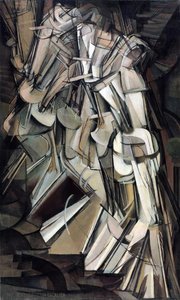
Play
Veľkosť reprodukcie
Marcel Duchamp's "Play," painted in 1902, is more than just a depiction of a woman playing tennis; it’s a carefully constructed meditation on the very nature of artistic creation and perception. This seemingly straightforward scene – a female figure poised mid-swing with a tennis racket – immediately reveals itself to be a pivotal work within Duchamp's burgeoning rebellion against traditional artistic conventions. The painting, imbued with a distinctly vintage aesthetic, speaks volumes about the artist’s evolving approach, moving beyond mere representation towards a conceptual engagement with the subject matter.
Created during a period of intense experimentation within the European art world – encompassing Impressionism, Post-Impressionism, and the nascent movements of Cubism – “Play” anticipates Duchamp’s later embrace of Dada and his groundbreaking role as one of the first conceptual artists. Duchamp's decision to paint this scene, rather than meticulously rendering it with traditional techniques, signals a deliberate shift in focus. He isn’t interested in capturing an objective reality; instead, he is exploring the *idea* of tennis, the act of play itself, and the viewer’s interpretation of that action.
Duchamp's technique in “Play” is characterized by a remarkable restraint. The brushstrokes are loose and confident, suggesting a deliberate avoidance of excessive detail. This simplicity isn’t a sign of carelessness; rather, it’s a calculated choice that amplifies the painting’s impact. The muted color palette – predominantly earthy tones with subtle hints of white – contributes to the vintage feel and adds to the overall sense of quiet contemplation. The artist's skill lies not in technical virtuosity but in his ability to distill an idea into its purest form.
Beyond the literal depiction of a tennis game, “Play” carries significant symbolic weight. The act of play itself represents a release from constraint, a moment of unburdened joy and spontaneity – qualities that Duchamp increasingly sought to explore in his work. The woman’s posture suggests both power and vulnerability, inviting viewers to consider the complexities of human experience. It's a scene frozen in time, capturing an ephemeral moment of intense concentration and potential victory.
"Play" stands as a crucial early work by Marcel Duchamp, demonstrating his nascent desire to challenge established artistic norms. Its influence can be seen throughout the 20th century, paving the way for movements like Dada and Surrealism. Today, this painting remains a powerful testament to Duchamp’s revolutionary spirit – a reminder that art can be found not just in what is created, but also in what is questioned.


1887 - 1968 , Francúzsko

Explore the revolutionary art of Marcel Duchamp! Discover how his Dadaist readymades challenged artistic conventions & redefined modern art. A deep dive into 'Fountain', conceptual shifts, and his lasting impact.

Explore the revolutionary Dada art movement! Discover its origins, key artists like Duchamp & Arp, and lasting impact on modern art. A deep dive into anti-art & challenging conventions.

Objavte top 10 slávnych obrazov v odtieňoch bledozlatej! Ponorte sa do sveta impresionizmu a postimpresionizmu s Van Goghom, Monetom a ďalšími majstrami. Reprodukcie pre váš domov na Most-Famous-Paintings.com – múzejná kvalita a inšpirácia pre interiér.
Ponorte sa do sveta Maxa Ernsta! Objavte top 25 diel surrealistického majstra – od Frottage po snové krajiny. Kúpiť reprodukcie obrazov online na Most-Famous-Paintings.com a doprajte si luxusný dekor do interiéru.

Objavte krásu ručne maľovaných obrazov a reprodukcií od Most-Famous-Paintings. Etická výroba, personalizácia na mieru a investícia do umeleckých diel s dlhodobou hodnotou. Vytvorte si jedinečný interiér plný luxusu a osobnosti.


Zostaňte v obraze s najnovšími správami zo sveta umenia, exkluzívnymi ponukami a nápormi na dekoráciu.
Povedzte nám o svojom projekte a naši odborníci na umenie vám pripravia 3 personalizované návrhy umeleckých diel.
Nechajte si od nás vybrať 3 možnosti priamo pre vás – zadarmo!


 Zdieľať


 Zobraziť viac







 Možnosť skla je dostupná len pri rozmeroch pod 110 cm