x

 Acrylic On CanvasWallArtOther
 1876
1876 12.0 x 35.0 cm
 Marianne North Gallery
Ručne maľovaný olej na plátne vo vašej zvolenej veľkosti a v ráme, vyrobený na mieru našimi umelcami. ( Kúpiť tlač Kúpiť obrázok)





























Vyberte si z našich preddefinovaných rozmerov, ktoré zodpovedajú pôvodným pomeroḿ diela.

Môžete zadať vlastné rozmery tak, aby sa hodili do konkrétneho rámu alebo priestoru. Ak sa váš zvolený rozmer nezhoduje s pôvodnými proporciami obrazu, dielo buď orezáme, alebo ho doplníme ručne maľovanými prvkami. Pred začiatkom výroby vám zašleme digitálny náhľad na schválenie.
Upozorňujeme, že ukážka na obrazovke neodráža skutočné orezanie alebo doplnenie. Skutočnú finálnu kompozíciu zobrazuje iba digitálny náhľad.
Hoci sú k dispozícii vlastné rozmery, odporúčame vybrať rozmer z preddefinovaného zoznamu, aby sme zachovali pôvodné proporcie.
Celosvetová doprava () za 3 až 4 týždne namiesto štandardných 5 týždňov. (14 august). Bez kompromisov v kvalite.


The Kluet Volcano from Ngantang, Java
Veľkosť reprodukcie
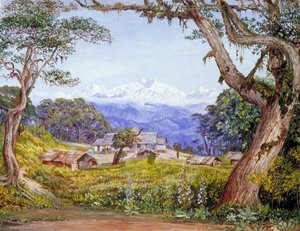
Marianne North’s “The Kluet Volcano from Ngantang, Java,” painted in 1876, isn’t merely a depiction of a landscape; it’s an immersion into the heart of Southeast Asia. This watercolor masterpiece transports us to the fertile rice paddies and misty mountains surrounding the volcanic slopes of Java, offering a glimpse into a world both familiar and profoundly distant. North, a remarkably independent Victorian explorer and artist, dedicated her life to documenting the flora and fauna of the globe, transforming herself into a self-taught botanist and a fearless traveler who ventured far beyond the confines of European society.
The painting’s immediate impact is one of serene tranquility. The muted palette – dominated by soft greens, blues, and browns – evokes a sense of quiet contemplation. There's no dramatic storm or violent eruption here; instead, North captures a fleeting moment of harmony between the land and its people. The hazy distance lends an air of mystery and timelessness, suggesting that this scene has existed for centuries, untouched by the rapid changes of the modern world.
North’s skill lies not just in her ability to render a landscape, but in her masterful use of watercolor. The painting feels remarkably fluid, with delicate washes blending seamlessly into one another. Notice how she employs layering – subtle shifts in color and tone create an incredible sense of depth and texture. The rice paddies aren't simply painted; they’re built up through countless layers of translucent pigment, mimicking the way light interacts with water and vegetation. This technique, reminiscent of both Japanese sumi-e painting and European watercolor traditions, gives the work a luminous quality, as if capturing the very essence of the scene.
The composition is carefully balanced, drawing the eye towards the distant mountains while anchoring it in the foreground with the lush vegetation. The soft lines and gentle curves contribute to the overall feeling of peace and harmony. The artist’s attention to detail – from the individual blades of grass to the subtle reflections on the water – speaks volumes about her dedication to accurate observation.
Marianne North’s journey to Java, like many of her expeditions, was driven by a desire to document and celebrate the natural world. During the late 19th century, European exploration was at its peak, fueled by scientific curiosity and a growing interest in exotic cultures. North wasn't simply an artist; she was also a keen observer of local customs and traditions, meticulously recording her experiences in journals and sketches. Her travels were often undertaken independently, defying societal expectations for women of the time.
The painting reflects the Victorian fascination with the Orient – a period marked by both romanticism and colonial ambition. However, North’s work transcends mere documentation; it's infused with a genuine appreciation for the beauty and serenity of Java’s landscape. It is important to note that this was painted during a time of increasing European influence in Indonesia, and North's work offers a rare glimpse into a world before widespread Western intervention.
Beyond its aesthetic qualities, “The Kluet Volcano from Ngantang, Java” carries a deeper symbolic weight. The rice paddies themselves represent the fundamental connection between humanity and nature – a source of sustenance, livelihood, and spiritual nourishment. The distant volcano serves as a reminder of the earth’s power and resilience, while the hazy mountains evoke a sense of timelessness and mystery.
Ultimately, this painting is an invitation to slow down, breathe deeply, and appreciate the simple beauty of the natural world. It's a testament to Marianne North’s extraordinary vision and her ability to capture the essence of a place – and a feeling – with remarkable skill and sensitivity. It remains a powerful reminder of the enduring value of exploration, observation, and artistic expression.


1830 - 1890 , Spojené kráľovstvo

Explore the profound history and technical mastery of watercolor painting. From medieval manuscripts to the luminous works of John Singer Sargent, discover how artists capture light and transparency through this delicate, enduring medium.


Zostaňte v obraze s najnovšími správami zo sveta umenia, exkluzívnymi ponukami a nápormi na dekoráciu.
Povedzte nám o svojom projekte a naši odborníci na umenie vám pripravia 3 personalizované návrhy umeleckých diel.
Nechajte si od nás vybrať 3 možnosti priamo pre vás – zadarmo!


 Náhľad
 Odoslať
 Zdieľať
 Podrobnosti o dielo

 Stiahnuť
 Podobné diela
 RTG skúška
 Prezentácia
 Zobraziť viac







 Možnosť skla je dostupná len pri rozmeroch pod 110 cm