x


 Oil On CanvasWallArtEarly Renaissance
 1500
1500 21.0 x 30.0 cm
 Museo Poldi Pezzoli
Kúpte si digitálnu snímku vo vysokom rozlíšení s vylepšenými detailmi, ktorá je oveľa kvalitnejšia než online náhľad.
Každý súbor starostlivo pripravujú naši interní špecialisti pomocou pokročilých nástrojov a odborného manuálneho retušovania. Zabezpečujeme, aby každý obrázok disponoval výnimočnou čistotou, presnou farebnou vernosťou a jemnými detailmi.
Konečný súbor vám bude doručený e-mailom do 72 hodín, optimalizovaný pre okamžité použitie v profesionálnom, redakčnom aj tlačovom prostredí. Ide o rovnakú kvalitu, ktorej dôverajú špičkové dizajnérske štúdiá, vydavateľstvá a galérie.
Stiahnite si vysokorozlíšený súbor na osobné zobrazovanie, tlačenie a kreatívne projekty. ( Switch to Print Switch to hand made Painting)
Keď si vyberiete Most-Famous-Paintings.com, nedostávate len obrázok – získate profesionálne upravené digitálne umenie, vytvorené s precíznosťou a so zárukou vašej maximálnej spokojnosti. Tu je všetko, čo je súčasťou vašej objednávky automaticky:

Vaša vysokorozlíšená digitálna súprava obrázkov vám bude zaslaná e-mailom do 72 hodín od objednávky – pripravená na okamžité použitie.

Vaše dielo je profesionálne optimalizované pomocou pokročilých nástrojov umelej inteligencie a manuálnej editácie, čo zaručuje maximálnu úroveň detailov, čistotu a presnosť farieb.

Náhodou ste zmazali alebo ste stratili svoj súbor? Nebavžte sa – pošleme vám ho kedykoľvek znova, úplne bez poplatkov.

Užite si svoje umelodelo okamžite bez colných poplatkov, daní alebo nákladov na dopravu – digitálne stiahnutia sú vždy oslobodené od dane.

Pomocou profesionálnych nástrojov a farebného manažmentu zabezpečujeme, aby vaša digitálna fotografia čo najpresnejšie odrážala pôvodné farby.

Ak nebudete spokojní so svojou digitálnou fotografiou, upravíme ju alebo vám vrátime 100% v priebehu 60 dní – bez zbytočných otázok.

Nie ste spokojní? Získajte plnú náhradu peňazí do 60 dní od prijatia vášho digitálneho súboru – bez zbytočných otázok.

Kúpte si 3 obrazy, ušetrite 10% - Kúpte si 5, ušetrite 15% - Kúpte si 10+, ušetrite 20%. Ideálne pre kreatívne projekty, galérie a agentúry.
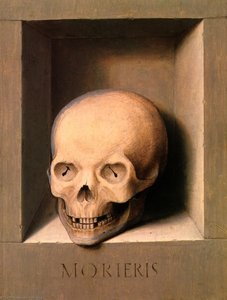
Mariotto Albertinelli's "Triptych," a remarkably preserved example of early Renaissance artistry, offers far more than a simple religious depiction; it is a profound meditation on the human condition – a stark reminder of our fleeting existence rendered with unsettling beauty and meticulous detail. Executed around 1500, this triptych, measuring 21 x 30 cm, reveals Albertinelli’s mastery of color, composition, and symbolism, hallmarks of his Florentine training and the burgeoning artistic currents of the era. The work's immediate impact is undeniably driven by its central element: a meticulously rendered skull presented as a still life against a somber backdrop. This isn’t merely a morbid fascination; it’s a deliberate invocation of *memento mori*, a tradition deeply rooted in Christian thought, reminding viewers of the inevitability of death and urging contemplation on spiritual matters.
Albertinelli’s technical skill is immediately apparent in the painting's construction. Executed in oil paints on canvas, the artist demonstrates a sophisticated understanding of *chiaroscuro*, utilizing subtle gradations of light and shadow to sculpt the skull and imbue it with a startling sense of volume and realism. The brushwork, though visible, is expertly controlled, contributing to a polished finish that speaks to Albertinelli’s dedication to detail. The geometric shapes – the tabletop, the skull itself, the curved shadow – are rendered with precision, creating a stable and grounded composition. The muted color palette—browns, ochres, and blacks—further emphasizes the solemnity of the subject matter.
Beyond its immediate visual impact, the "Triptych" is rich in symbolic meaning. The skull, as a central motif, transcends mere representation; it functions as a potent symbol of mortality, echoing themes prevalent throughout Western art history. The inclusion of scenes depicting martyrdom – Catherine’s ordeal and Barbara’s plight – reinforces the Christian narrative of sacrifice and redemption. Dioscurus, Barbara's father, acting as her executioner, adds another layer of complexity to the scene, highlighting the tragic consequences of religious persecution. The landscape elements, featuring further depictions of saintly deaths, serve not just as background but as integral components of the overall theological message.
Created around 1500, this triptych represents a pivotal moment in Mariotto Albertinelli’s career. Born in Florence in 1474, he benefited from the artistic ferment of the Renaissance, absorbing influences from masters such as Perugino, Piero di Cosimo, and even the Flemish painters whose techniques – particularly their mastery of detail and use of light – profoundly shaped his style. The abbreviation “MD” on the frame likely indicates the year of creation, solidifying its place within a significant period of artistic innovation. Albertinelli’s joint studio with Fra Bartolomeo further enriched his artistic development, exposing him to diverse perspectives and techniques.
The "Triptych" is not simply a beautiful artwork; it's an emotionally resonant piece that invites contemplation on profound themes. Its somber mood, coupled with the arresting image of the skull, evokes a sense of melancholy and reminds us of our own mortality. This triptych by Mariotto Albertinelli represents a rare opportunity to own a significant work from one of Florence’s most accomplished Renaissance painters. Its size (21 x 30 cm) makes it suitable for a variety of settings, while its historical importance and artistic merit ensure its enduring value as an investment piece and a source of inspiration.

Mariotto di Bigio di Bindo Albertinelli was born in Florence as the son of a gold beater. He was an only child, and his mother died when he was just five years old. Initially trained as a gold beater until the age of 12, he then became a pupil of Cosimo Rosselli, sharing studies with Fra Bartolomeo. The close friendship between Albertinelli and Fra Bartolomeo led them to establish a joint studio in Florence by 1494.
Albertinelli’s style demonstrates the influence of several prominent artists including Perugino, Piero di Cosimo, Lorenzo di Credi, and Flemish painters. His early works, produced independently of Fra Bartolomeo, are stylistically distinct and reveal a sophisticated taste for detail. Piero di Cosimo introduced him to Flemish techniques, enriching his artistic palette. A period of independence followed Fra Bartolomeo’s entry into the Dominican order in 1500, allowing Albertinelli to develop his own voice while still maintaining a connection to his former mentor's style.
Albertinelli's artistic career reflects the dynamic shifts within Florentine painting during the High Renaissance. His ability to synthesize diverse influences—Perugino’s grace, Flemish detail, and Leonardo’s sfumato technique—created a unique style that contributed to the richness of Florentine art. He trained notable artists such as Jacopo da Pontormo, Innocenzo di Pietro Francucci da Imola, and Giuliano Bugiardini, ensuring his influence extended beyond his own works. Despite facing financial difficulties later in life, Albertinelli left behind a body of work that demonstrates his skill and artistic versatility, solidifying his place within the Florentine Renaissance.

1474 - 1515 , Italy


Zostaňte v obraze s najnovšími správami zo sveta umenia, exkluzívnymi ponukami a nápormi na dekoráciu.
Povedzte nám o svojom projekte a naši odborníci na umenie vám pripravia 3 personalizované návrhy umeleckých diel.
Nechajte si od nás vybrať 3 možnosti priamo pre vás – zadarmo!


 Preview
 Odoslať
 Zdieľať
 Podrobnosti o dielo

 Stiahnuť
 Podobné diela
 RTG skúška
 Prezentácia
 Zobraziť viac