x

Giclée tlač alebo plátno múzeálnej kvality s rýchlou výrobou a flexibilnými možnosťami povrchovej úpravy. ( Kúpiť ručne maľovaný obraz Kúpiť obrázok)





























Vyberte si z našich preddefinovaných rozmerov, ktoré zodpovedajú pôvodným pomeroḿ diela.

Môžete zadať vlastné rozmery, aby sa reprodukcia prispôsobila konkrétnemu rámu alebo priestoru. Ak zvolená veľkosť nebude zodpovedať proporciám originálu, dielo buď orežeme, alebo obraz rozšírime pomocou zrkadlenia či farebného doplnenia okrajov. Pred začatím výroby vám pošleme digitálnu ukážku na schválenie.
Máte na vedomí, že náhľad na obrazovke neodzrkadľuje skutočné orezanie alebo rozšírenie. Len digitálna ukážka presne zobrazí finálnu kompozíciu.
Hoci sú k dispozícii vlastné rozmery, pre zachovanie pôvodných proporcií odporúčame vybrať si rozmer z vopred definovaného zoznamu.
Celosvetová doprava () do 2 týždňov namiesto štandardných 4/5 týždňov. (17 august)


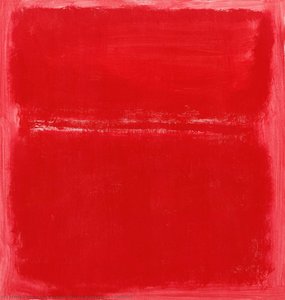
AUTUMN
Veľkosť reprodukcie
Mark Rothko’s ‘Autumn’ isn't merely a depiction of the season; it’s an ambitious attempt to distill its essence into pure color and form, reflecting a profound preoccupation with existential themes. Created between 1949 and 1950 during his formative period as an abstract expressionist, this monumental canvas embodies Rothko’s unwavering belief that art should transcend representational concerns—that it could communicate directly with the viewer's subconscious, bypassing rational thought altogether.
The painting presents a series of horizontal rectangles – predominantly deep blues and muted whites – arranged in a deliberate asymmetry. This compositional choice wasn’t arbitrary; Rothko meticulously considered how these shapes would interact to evoke feelings of contemplation and unease. Unlike Impressionists who sought to capture fleeting moments of light, Rothko aimed for something far more enduring—a visual meditation on the passage of time and the inherent melancholy of existence.
Born Marcus Yakovlevich Rothkowitz in Latvia in 1903, Rothko’s artistic journey began with figurative painting – landscapes and portraits reflecting his early life experiences. However, disillusioned by the limitations of representational art, he swiftly moved towards abstraction, driven by an intellectual desire to explore universal concepts beyond visual description. The trauma of World War II profoundly impacted him; witnessing the horrors of conflict fueled a preoccupation with mortality and spurred experimentation with mythological subjects—a deliberate rejection of Western artistic conventions.
Rothko’s breakthrough came in 1947 when he began applying paint in thin washes, layering color upon color to create luminous fields that seemed to pulsate with inner light. This technique – a cornerstone of his signature style – prioritized emotional resonance over precise detail. He famously stated, “I want to express something about the human condition—about what it means to be alive.” The resulting canvases are characterized by their scale and simplicity; Rothko deliberately avoided ornamentation, believing that true art should confront viewers with raw emotion.
The blues dominating ‘Autumn’ aren't cheerful hues but rather shades imbued with a palpable sense of sorrow—a reflection of Rothko’s own anxieties about the world and his personal struggles. These rectangles are not merely colored blocks; they represent an attempt to capture the intangible quality of feeling itself. The white frames surrounding each rectangle serve as counterpoints, intensifying the emotional impact and creating a visual illusion of depth that draws the viewer inward.
Rothko’s meticulous process involved applying paint in multiple layers—sometimes dozens—creating a textured surface that subtly shifts color depending on the angle of observation. This technique was influenced by Byzantine iconography, where monks would painstakingly apply gold leaf to icons to convey spiritual significance. Rothko sought to achieve a similar effect—to imbue his paintings with an aura of solemn beauty and contemplative stillness.
'Autumn' stands as one of Rothko’s most iconic works, embodying the artist’s unwavering commitment to exploring profound emotional truths. Its enduring appeal lies in its ability to provoke a visceral response—a feeling of awe mingled with sadness—encouraging viewers to confront their own mortality and grapple with existential questions. As a testament to his artistic vision, Rothko Chapel, established by John and Dominique de Menil, houses fourteen canvases of similar scale and color palette, inviting visitors into a space dedicated to contemplation and spiritual reflection.
Owning a reproduction of ‘Autumn’ isn't simply acquiring an aesthetically pleasing artwork; it’s bringing home a piece of art history—a symbol of Rothko’s belief in the transformative power of visual experience. It serves as a reminder that true beauty resides not in representation but in conveying emotion directly to the soul.
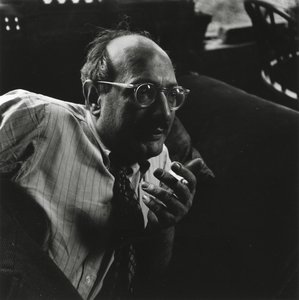
1903 - 1970 , Lotyšsko

Explore the profound emotional depth of Color Field painting. Discover the history of mid-century abstraction, from Rothko to Newman, and learn how pure color transforms the viewer's experience through our expert art history guide.

Explore the profound history and emotional depth of Color Field painting. From Mark Rothko to Barnett Newman, discover how pure color redefined modern art through our expert-led guide for students and collectors alike.

Explore the profound history and emotional depth of Abstract Expressionism. From Jackson Pollock to Mark Rothko, master the nuances of the New York School through our expert art history guide. Discover museum-quality hand-painted reproductions for your collection.
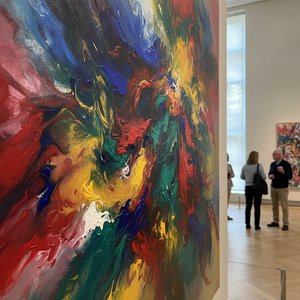
Explore the profound emotional depth of Lyrical Abstraction. Discover how masters like Raymond Parker used color and form to bridge Impressionism and Abstract Expressionism. Learn about this pivotal movement through our expert-led art history guide.


Zostaňte v obraze s najnovšími správami zo sveta umenia, exkluzívnymi ponukami a nápormi na dekoráciu.
Povedzte nám o svojom projekte a naši odborníci na umenie vám pripravia 3 personalizované návrhy umeleckých diel.
Nechajte si od nás vybrať 3 možnosti priamo pre vás – zadarmo!


 Náhľad
 Odoslať
 Zdieľať
 Podrobnosti o dielo

 Stiahnuť
 Podobné diela
 RTG skúška
 Prezentácia

 Zobraziť viac







 Možnosť skla je dostupná len pri rozmeroch pod 110 cm