x


Ručne maľovaný olej na plátne vo vašej zvolenej veľkosti a v ráme, vyrobený na mieru našimi umelcami. ( Switch to Print Switch to Image)





























Vyberte si z našich preddefinovaných rozmerov, ktoré zodpovedajú pôvodným pomeroḿ diela.

Môžete zadať vlastné rozmery tak, aby sa hodili do konkrétneho rámu alebo priestoru. Ak sa váš zvolený rozmer nezhoduje s pôvodnými proporciami obrazu, dielo buď orezáme, alebo ho doplníme ručne maľovanými prvkami. Pred začiatkom výroby vám zašleme digitálny náhľad na schválenie.
Upozorňujeme, že ukážka na obrazovke neodráža skutočné orezanie alebo doplnenie. Skutočnú finálnu kompozíciu zobrazuje iba digitálny náhľad.
Hoci sú k dispozícii vlastné rozmery, odporúčame vybrať rozmer z preddefinovaného zoznamu, aby sme zachovali pôvodné proporcie.
Celosvetová doprava () za 3 až 4 týždne namiesto štandardných 5 týždňov. (29 júl). Bez kompromisov v kvalite.


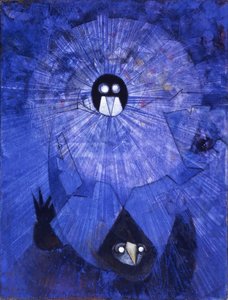
Composition, lune et soleil
Veľkosť reprodukcie
Max Ernst’s “Composition, lune et soleil” is not merely a depiction of the moon and sun; it’s an invitation to contemplate the uneasy relationship between humanity and the cosmos. Painted by one of the most significant figures of 20th-century art, this work embodies Ernst's signature surrealist approach – a deliberate disruption of conventional reality driven by intellectual curiosity and a profound sense of unease. The painting immediately captivates with its stark contrast: the luminous orb of the moon, positioned on the left, confronts the assertive presence of the sun dominating the central space. Below this celestial drama unfolds a sprawling cityscape, a testament to human ambition and perhaps, a subtle commentary on our dominion over the natural world.
The placement of the moon and sun is laden with symbolic weight. Traditionally, these celestial bodies represent opposing forces – light versus darkness, masculine versus feminine, order versus chaos. In “Composition, lune et soleil,” their proximity suggests a precarious balance, a constant negotiation between these fundamental dualities. The cityscape below further amplifies this tension; the towering buildings represent human civilization’s attempt to impose order on an inherently chaotic world. The two orbs within the scene – clearly representing the moon and sun – add another layer of complexity, hinting at a deeper connection between the earthly realm and the vastness of space.
Created during the interwar period, “Composition, lune et soleil” reflects the burgeoning influence of Surrealism. Emerging in the aftermath of World War I, Surrealist artists sought to challenge the prevailing rationalism and materialism of Western society. Inspired by the theories of Sigmund Freud – particularly his exploration of dreams and the unconscious – they aimed to unlock a new mode of artistic expression rooted in irrationality, fantasy, and automatic processes. Ernst was a key figure in this movement, constantly pushing boundaries and experimenting with techniques like frottage and decalcomania to achieve unexpected results. This painting stands as a testament to his commitment to exploring the hidden depths of the human psyche and challenging conventional notions of reality.
"Composition, lune et soleil" evokes a powerful sense of wonder and unease. The juxtaposition of the serene beauty of the celestial bodies with the imposing presence of the city creates a compelling visual paradox. It’s a painting that invites contemplation – prompting questions about our place in the universe, our relationship to nature, and the enduring tension between human ambition and the forces beyond our control. Max Ernst's work continues to resonate today, demonstrating his profound understanding of the human condition and his ability to translate complex ideas into visually arresting art.
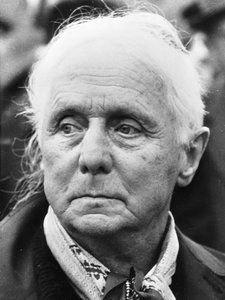
1891 - 1976 , Nemecko

Explore the evolution of cityscape painting from historical maps to Impressionist masterpieces. Discover artists like Caillebotte, Utrillo & Matsumoto Shunsuke. Find museum-quality reproductions at Most-Famous-Paintings.

Ponorte sa do sveta surrealistického expresionizmu! Objavte 10 majstrovských diel od Dalího, Magritta a ďalších. História umenia, techniky a reprodukcie obrazov pre váš domov na Most-Famous-Paintings.com. Preskúmajte kolekciu online!
Ponorte sa do sveta Maxa Ernsta! Objavte top 25 diel surrealistického majstra – od Frottage po snové krajiny. Kúpiť reprodukcie obrazov online na Most-Famous-Paintings.com a doprajte si luxusný dekor do interiéru.
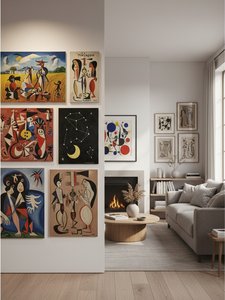
Ponorte sa do sveta Joana Miróa s našou exkluzívnou kolekciou 25 ikonických diel. Objavte príbehy za abstraktnými kompozíciami, surrealistickými motívmi a katalánskou farebnosťou. Reprodukcie obrazov pre váš dokonalý interiér na Most-Famous-Paintings.com.

Explore the captivating world of Surrealism with Most-Famous-Paintings. Discover its origins, key artists like Dalí & Ernst, and enduring influence on art history. High-quality reproductions available.


Zostaňte v obraze s najnovšími správami zo sveta umenia, exkluzívnymi ponukami a nápormi na dekoráciu.
Povedzte nám o svojom projekte a naši odborníci na umenie vám pripravia 3 personalizované návrhy umeleckých diel.
Nechajte si od nás vybrať 3 možnosti priamo pre vás – zadarmo!


 Preview
 Odoslať
 Zdieľať
 Podrobnosti o dielo

 Stiahnuť
 Podobné diela
 RTG skúška
 Prezentácia

 Zobraziť viac







 Možnosť skla je dostupná len pri rozmeroch pod 110 cm