x

Ručne maľovaný olej na plátne vo vašej zvolenej veľkosti a v ráme, vyrobený na mieru našimi umelcami. ( Kúpiť tlač Kúpiť obrázok)





























Vyberte si z našich preddefinovaných rozmerov, ktoré zodpovedajú pôvodným pomeroḿ diela.

Môžete zadať vlastné rozmery tak, aby sa hodili do konkrétneho rámu alebo priestoru. Ak sa váš zvolený rozmer nezhoduje s pôvodnými proporciami obrazu, dielo buď orezáme, alebo ho doplníme ručne maľovanými prvkami. Pred začiatkom výroby vám zašleme digitálny náhľad na schválenie.
Upozorňujeme, že ukážka na obrazovke neodráža skutočné orezanie alebo doplnenie. Skutočnú finálnu kompozíciu zobrazuje iba digitálny náhľad.
Hoci sú k dispozícii vlastné rozmery, odporúčame vybrať rozmer z preddefinovaného zoznamu, aby sme zachovali pôvodné proporcie.
Celosvetová doprava () za 3 až 4 týždne namiesto štandardných 5 týždňov. (18 august). Bez kompromisov v kvalite.


Janus (Giano)
Veľkosť reprodukcie
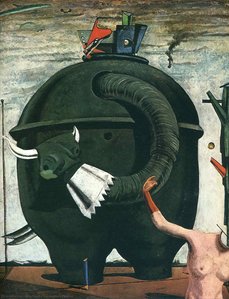
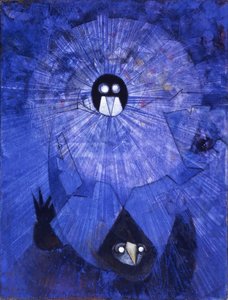
Max Ernst’s “Janus,” created in 1936, isn't merely a sculpture; it’s an arresting distillation of Surrealist thought—a visual meditation on duality and transformation. Crafted from bronze, the piece presents a strikingly stylized depiction of Janus, the Roman god of beginnings and transitions, whose face bears two opposing mouths.
The bird figures perched atop and beneath Janus’s head are crucial to understanding the artwork's symbolism. Birds, traditionally representing aspiration and freedom, juxtaposed with the duality of Janus’s face, speak to themes of rebirth and facing forward while acknowledging the past. Ernst deliberately avoids a straightforward narrative; instead, he invites contemplation about confronting opposing forces within oneself.
Historical Context: Produced during the tumultuous years leading up to World War II, “Janus” embodies the anxieties and uncertainties of its time. Surrealism served as a powerful critique of bourgeois values and championed irrationality as a path toward liberation—a stance that resonated deeply with artists grappling with the looming threat of conflict.
Emotional Impact: Viewing “Janus” evokes a feeling of unease mingled with fascination. The sculpture’s unsettling gaze compels us to confront uncomfortable truths about change and decision-making. Its textured surface invites touch, fostering an intimate connection between the viewer and the artwork—a testament to Ernst's masterful ability to convey complex psychological ideas through deceptively simple forms.

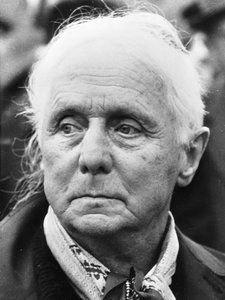
1891 - 1976 , Nemecko

Discover the sophisticated world of metal art. From industrial grace to contemporary sculpture, our expert guide explores how premium metallic masterpieces elevate luxury interiors for discerning collectors seeking timeless elegance and investment-grade artistry.
Elevate your collection with our expert guide to bronze sculpture. Discover the mastery of lost-wax casting, the artistry of patination, and professional insights for acquiring timeless metal masterpieces that define sophisticated interiors.


Zostaňte v obraze s najnovšími správami zo sveta umenia, exkluzívnymi ponukami a nápormi na dekoráciu.
Povedzte nám o svojom projekte a naši odborníci na umenie vám pripravia 3 personalizované návrhy umeleckých diel.
Nechajte si od nás vybrať 3 možnosti priamo pre vás – zadarmo!


 Náhľad
 Odoslať
 Zdieľať
 Podrobnosti o dielo

 Stiahnuť
 Podobné diela
 RTG skúška
 Prezentácia
 Zobraziť viac







 Možnosť skla je dostupná len pri rozmeroch pod 110 cm