x


Ručne maľovaný olej na plátne vo vašej zvolenej veľkosti a v ráme, vyrobený na mieru našimi umelcami. ( Switch to Print Switch to Image)





























Vyberte si z našich preddefinovaných rozmerov, ktoré zodpovedajú pôvodným pomeroḿ diela.

Môžete zadať vlastné rozmery tak, aby sa hodili do konkrétneho rámu alebo priestoru. Ak sa váš zvolený rozmer nezhoduje s pôvodnými proporciami obrazu, dielo buď orezáme, alebo ho doplníme ručne maľovanými prvkami. Pred začiatkom výroby vám zašleme digitálny náhľad na schválenie.
Upozorňujeme, že ukážka na obrazovke neodráža skutočné orezanie alebo doplnenie. Skutočnú finálnu kompozíciu zobrazuje iba digitálny náhľad.
Hoci sú k dispozícii vlastné rozmery, odporúčame vybrať rozmer z preddefinovaného zoznamu, aby sme zachovali pôvodné proporcie.
Celosvetová doprava () za 3 až 4 týždne namiesto štandardných 5 týždňov. (30 júl). Bez kompromisov v kvalite.


L'Amour objectif
Veľkosť reprodukcie
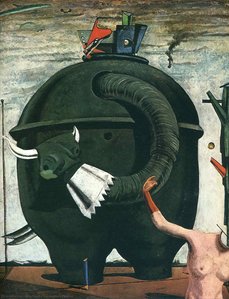
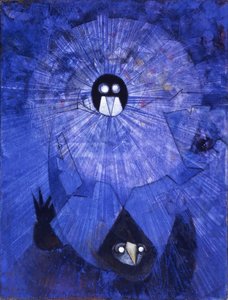
Max Ernst’s “L’Amour Objectif,” painted in 1927, stands as a cornerstone of surrealist art—a movement born from the anxieties and intellectual ferment of post-World War I Europe. More than just a visually arresting image, it's a meticulously crafted meditation on desire, perception, and the subconscious mind, reflecting Ernst’s profound engagement with psychoanalytic theory championed by Sigmund Freud.
At first glance, “L’Amour Objectif” presents a deceptively simple tableau: a bird—a recurring motif in Ernst’s oeuvre—dominates the central space. However, this seemingly straightforward depiction belies a complex compositional arrangement. The bird is positioned slightly off-center, drawing the eye upwards towards the upper right corner where a clock resides – a deliberate reference to Freud's concept of time as an illusion and a symbol of repressed anxieties.
Ernst’s artistic style is unmistakably surrealist, characterized by dreamlike imagery, illogical juxtapositions, and automatism—a technique he pioneered where artists attempt to bypass conscious thought and tap into the unconscious through spontaneous drawing or painting. The painting utilizes a collage method, layering textured surfaces – including sand and burlap – onto a canvas primed with gesso. Ernst’s meticulous brushwork contributes to the overall textural richness of the artwork, creating an atmosphere of unsettling beauty.
"L'Amour Objectif" emerged during a period marked by significant intellectual upheaval. Freud’s groundbreaking work on psychoanalysis profoundly impacted artists like Ernst, who sought to explore the hidden realms of human psychology and challenge rationalistic perspectives. The painting reflects broader anxieties surrounding societal instability and the disillusionment following the Great War—themes prevalent in Surrealist art as a whole.
The bird itself embodies several symbolic layers: representing freedom, instinct, and vulnerability simultaneously. Its beak—elongated and prominent—suggests an aggressive pursuit of desire while also hinting at fragility. The surrounding objects – the boat, chair, bottles – contribute to a sense of disorientation and fragmentation, mirroring the fractured experience of dreams. Ultimately, “L’Amour Objectif” evokes a feeling of profound unease mingled with fascination—a testament to Ernst's ability to translate psychological complexities into compelling visual narratives.
“L’Amour Objectif” remains an enduring emblem of Surrealist artistry and continues to inspire artists and collectors alike. Its masterful blend of technique, symbolism, and historical context secures its place as a seminal work within the broader canon of 20th-century art—a captivating glimpse into the subconscious mind rendered with breathtaking precision.

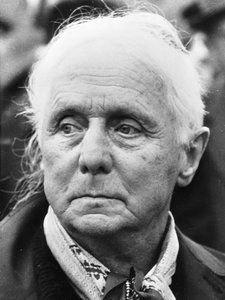
1891 - 1976 , Nemecko

Explore the captivating world of surrealism & dreamlike art! Discover key artists like Dalí & Magritte, symbolism's history, and how color evokes emotion. Find high-quality reproductions at Most-Famous-Paintings.
Ponorte sa do sveta Maxa Ernsta! Objavte top 25 diel surrealistického majstra – od Frottage po snové krajiny. Kúpiť reprodukcie obrazov online na Most-Famous-Paintings.com a doprajte si luxusný dekor do interiéru.

Odborný sprievodca výberom umeleckých diel pre vínne pivnice a degustačné miestnosti. Vytvorte nezabudnuteľnú atmosféru s krajinomaľbou, symbolikou a interiérovým dizajnom. Zvýšte hodnotu vášho vinárstva!

Explore the captivating world of Max Klinger, a pivotal German Symbolist artist. Discover his groundbreaking prints, psychological themes, & influence on modern art movements like Expressionism. Expert analysis and insights.

Ponorte sa do sveta snov a podvedomia! Objavte top 10 surrealistických majstrovských diel od Dalího, Magritta a Miró. Kvalitné art reprodukcie pre váš domov na Most-Famous-Paintings.com. Preskúmajte plnú kolekciu online.


Zostaňte v obraze s najnovšími správami zo sveta umenia, exkluzívnymi ponukami a nápormi na dekoráciu.
Povedzte nám o svojom projekte a naši odborníci na umenie vám pripravia 3 personalizované návrhy umeleckých diel.
Nechajte si od nás vybrať 3 možnosti priamo pre vás – zadarmo!


 Preview
 Odoslať
 Zdieľať
 Podrobnosti o dielo

 Stiahnuť
 Podobné diela
 RTG skúška
 Prezentácia
 Zobraziť viac







 Možnosť skla je dostupná len pri rozmeroch pod 110 cm