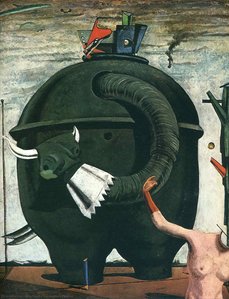
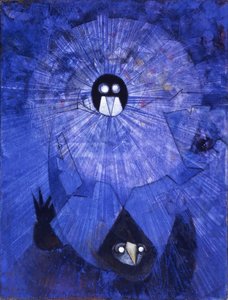
x

Ručne maľovaný olej na plátne vo vašej zvolenej veľkosti a v ráme, vyrobený na mieru našimi umelcami. ( Kúpiť tlač Kúpiť obrázok)





























Vyberte si z našich preddefinovaných rozmerov, ktoré zodpovedajú pôvodným pomeroḿ diela.

Môžete zadať vlastné rozmery tak, aby sa hodili do konkrétneho rámu alebo priestoru. Ak sa váš zvolený rozmer nezhoduje s pôvodnými proporciami obrazu, dielo buď orezáme, alebo ho doplníme ručne maľovanými prvkami. Pred začiatkom výroby vám zašleme digitálny náhľad na schválenie.
Upozorňujeme, že ukážka na obrazovke neodráža skutočné orezanie alebo doplnenie. Skutočnú finálnu kompozíciu zobrazuje iba digitálny náhľad.
Hoci sú k dispozícii vlastné rozmery, odporúčame vybrať rozmer z preddefinovaného zoznamu, aby sme zachovali pôvodné proporcie.
Celosvetová doprava () za 3 až 4 týždne namiesto štandardných 5 týždňov. (18 august). Bez kompromisov v kvalite.


La fuite
Veľkosť reprodukcie
Max Ernst’s “La Fuite,” painted in 1925 during the height of Surrealism, isn't merely a depiction of a woman; it’s an embodiment of existential anxiety and a visual manifesto of the movement’s core principles. Created shortly after World War I ended, the painting reflects the pervasive disillusionment felt across Europe – a yearning for beauty amidst the ruins of shattered empires and a questioning of rational thought in the face of overwhelming trauma.
Ernst’s signature style is instantly recognizable. He employs a technique known as “frottage,” where he rubs a textured surface – often paper covered with wax crayons – onto another piece of paper to generate random patterns and textures. These patterns are then meticulously integrated into the composition, creating an unsettling blend of organic and geometric forms. The resulting image feels like stepping directly into a dreamscape—a realm governed by subconscious impulses rather than conscious control.
Surrealism emerged as a reaction to the horrors of Verdun and Sarajevo, rejecting logic and reason in favor of exploring the irrational depths of the human psyche. Artists like Ernst sought inspiration from Freud's theories on psychoanalysis, attempting to liberate creativity from the constraints of conscious thought. “La Fuite” exemplifies this ethos by presenting a fragmented narrative devoid of conventional storytelling—a deliberate disruption intended to provoke contemplation and challenge viewers’ perceptions.
The painting is rife with symbolic imagery. The prominent window represents aspiration – a desire to glimpse beyond the confines of reality into realms of imagination and possibility. Conversely, the mirror reflects back upon itself, suggesting introspection and confronting one’s own anxieties. Most powerfully, however, is the woman herself, positioned in an expansive pose, seemingly attempting to escape—a visual metaphor for overcoming obstacles and embracing liberation.
"La Fuite" possesses a captivating unsettling beauty. Ernst's masterful manipulation of texture and color creates a palpable sense of unease, mirroring the psychological turmoil experienced during the postwar period. Yet, beneath this surface tension lies an undeniable impulse toward transcendence—a celebration of creativity as a means of confronting darkness and reclaiming agency. It’s a painting that lingers in the mind long after viewing, prompting viewers to consider questions about identity, freedom, and the elusive nature of truth.

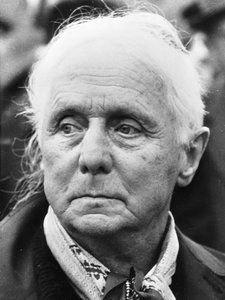
1891 - 1976 , Nemecko

Explore the profound depths of Surrealism. From Dalí’s dreamscapes to Magritte’s enigmas, master the history of the subconscious mind through our expert art guide and discover museum-quality oil reproductions of the world's most iconic surrealist masterpieces.


Zostaňte v obraze s najnovšími správami zo sveta umenia, exkluzívnymi ponukami a nápormi na dekoráciu.
Povedzte nám o svojom projekte a naši odborníci na umenie vám pripravia 3 personalizované návrhy umeleckých diel.
Nechajte si od nás vybrať 3 možnosti priamo pre vás – zadarmo!


 Náhľad
 Odoslať
 Zdieľať
 Podrobnosti o dielo

 Stiahnuť
 Podobné diela
 RTG skúška
 Prezentácia
 Zobraziť viac







 Možnosť skla je dostupná len pri rozmeroch pod 110 cm