x

Giclée tlač alebo plátno múzeálnej kvality s rýchlou výrobou a flexibilnými možnosťami povrchovej úpravy. ( Kúpiť ručne maľovaný obraz Kúpiť obrázok)





























Vyberte si z našich preddefinovaných rozmerov, ktoré zodpovedajú pôvodným pomeroḿ diela.

Môžete zadať vlastné rozmery, aby sa reprodukcia prispôsobila konkrétnemu rámu alebo priestoru. Ak zvolená veľkosť nebude zodpovedať proporciám originálu, dielo buď orežeme, alebo obraz rozšírime pomocou zrkadlenia či farebného doplnenia okrajov. Pred začatím výroby vám pošleme digitálnu ukážku na schválenie.
Máte na vedomí, že náhľad na obrazovke neodzrkadľuje skutočné orezanie alebo rozšírenie. Len digitálna ukážka presne zobrazí finálnu kompozíciu.
Hoci sú k dispozícii vlastné rozmery, pre zachovanie pôvodných proporcií odporúčame vybrať si rozmer z vopred definovaného zoznamu.
Celosvetová doprava () do 2 týždňov namiesto štandardných 4/5 týždňov. (21 august)


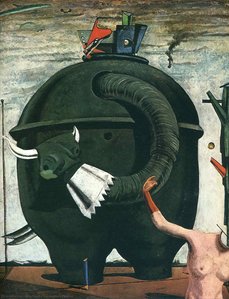
La mariée du vent
Veľkosť reprodukcie
Max Ernst’s “La Mariée du Vent” (The Bride of the Wind) is not merely a painting; it’s an immersion into the subconscious, a meticulously crafted descent into the surreal. Executed in 1927, this iconic work exemplifies Ernst's mastery within the Dadaist movement and his profound engagement with the burgeoning field of psychoanalysis. The image immediately confronts the viewer with a startling tableau: a woman adorned with horns and wings – a figure simultaneously vulnerable and powerful – dominates the composition, encircled by a menagerie of fantastical creatures. This isn’t a straightforward depiction; it's an invitation to interpret, to delve into the anxieties and desires that simmer beneath the surface of consciousness.
Ernst’s technique is characterized by its deliberate layering and manipulation of materials. Employing frottage – a method he pioneered – he created textures by rubbing pencil or crayon over prepared surfaces, imbuing the canvas with an uncanny, almost tactile quality. This process tapped into the unconscious, allowing images to emerge seemingly from nowhere. The painting’s palette is dominated by earthy tones—ochres, browns, and grays— punctuated by flashes of vibrant color in the birds and fish, drawing the eye across the complex scene. Notice the meticulous detail given to each animal, reflecting Ernst's fascination with both natural forms and their symbolic potential. The inclusion of a clock, positioned near the top-left corner, introduces an element of temporal disruption, further contributing to the painting’s dreamlike atmosphere.
"La Mariée du Vent" emerged from the fertile ground of the Dada movement, a reaction against the perceived horrors of World War I. Dada artists sought to dismantle traditional artistic conventions and embrace irrationality, chance, and the subconscious mind. Ernst’s work aligns perfectly with this ethos, reflecting his own disillusionment with reason and his exploration of psychological themes. Influenced by the theories of Sigmund Freud, particularly the concept of dreams as a window into the unconscious, Ernst aimed to capture not what he *saw*, but what he *felt* – a deeply personal and often unsettling vision. The woman herself can be interpreted as representing both the feminine archetype and the untamed forces of nature, while the animals embody various aspects of human experience.
The enduring power of “La Mariée du Vent” lies in its ability to evoke a profound emotional response. The painting’s unsettling beauty, combined with its enigmatic symbolism, invites contemplation on themes of transformation, vulnerability, and the relationship between humanity and the natural world. It's a work that refuses easy interpretation, rewarding repeated viewing and encouraging viewers to confront their own subconscious anxieties. This piece remains a cornerstone of Surrealist art, demonstrating Ernst’s unique ability to translate psychological complexities into a visually arresting and deeply evocative image. Its impact continues to resonate with artists and audiences alike, solidifying its place as a seminal work of the 20th century.


1891 - 1976 , Nemecko

Explore the profound history and technical mastery of woodcut relief printing. From ancient origins to German Expressionism, discover how artists use the subtractive process to create iconic works. A definitive guide for art students, collectors, and historians.

Discover the technical mastery behind Most-Famous-Paintings.com's premium Giclée canvas prints. Our guide for elite collectors explores archival pigment inks, museum-grade substrates, and the science of high-fidelity reproduction to ensure lasting beauty and historical accuracy.


Zostaňte v obraze s najnovšími správami zo sveta umenia, exkluzívnymi ponukami a nápormi na dekoráciu.
Povedzte nám o svojom projekte a naši odborníci na umenie vám pripravia 3 personalizované návrhy umeleckých diel.
Nechajte si od nás vybrať 3 možnosti priamo pre vás – zadarmo!


 Náhľad
 Odoslať
 Zdieľať
 Podrobnosti o dielo

 Stiahnuť
 Podobné diela
 RTG skúška
 Prezentácia

 Zobraziť viac







 Možnosť skla je dostupná len pri rozmeroch pod 110 cm