x
Ručne maľovaný olej na plátne vo vašej zvolenej veľkosti a v ráme, vyrobený na mieru našimi umelcami. ( Kúpiť tlač Kúpiť obrázok)





























Vyberte si z našich preddefinovaných rozmerov, ktoré zodpovedajú pôvodným pomeroḿ diela.

Môžete zadať vlastné rozmery tak, aby sa hodili do konkrétneho rámu alebo priestoru. Ak sa váš zvolený rozmer nezhoduje s pôvodnými proporciami obrazu, dielo buď orezáme, alebo ho doplníme ručne maľovanými prvkami. Pred začiatkom výroby vám zašleme digitálny náhľad na schválenie.
Upozorňujeme, že ukážka na obrazovke neodráža skutočné orezanie alebo doplnenie. Skutočnú finálnu kompozíciu zobrazuje iba digitálny náhľad.
Hoci sú k dispozícii vlastné rozmery, odporúčame vybrať rozmer z preddefinovaného zoznamu, aby sme zachovali pôvodné proporcie.
Celosvetová doprava () za 3 až 4 týždne namiesto štandardných 5 týždňov. (16 august). Bez kompromisov v kvalite.


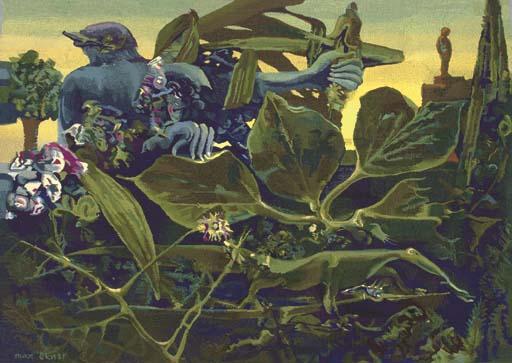
Nature at Dawn
Veľkosť reprodukcie
Max Ernst’s “Nature at Dawn,” painted in 1924, stands as an arresting emblem of the Surrealist movement—a visual manifesto born from a profound questioning of rationality and fueled by dreams and subconscious impulses. More than just a depiction of a landscape bathed in nascent sunlight, it's a meticulously crafted allegory that delves into themes of power, vulnerability, and the interconnectedness of humanity and nature.
Ernst’s artistic approach was characterized by an embrace of chance—a deliberate rejection of traditional compositional rules in favor of spontaneous experimentation. He achieved this through a masterful technique of collage, meticulously assembling fragments of printed matter – newspapers, maps, botanical illustrations – onto canvas. These disparate elements weren't merely glued together; they were interwoven with meticulous care, creating textures and patterns that defied linear perspective.
“Nature at Dawn” emerged from the turbulent aftermath of Dada—the nihilistic anti-art movement that challenged bourgeois values. Dada artists deliberately undermined logic and reason, seeking to expose the absurdity of societal conventions. Ernst swiftly transitioned into Surrealism, championed by André Breton, who sought to liberate creativity from conscious control. This artistic lineage reflects a broader intellectual preoccupation with psychoanalysis, particularly Sigmund Freud’s theories on dreams and unconscious desire.
The painting’s symbolism is layered and evocative. At its core is a solitary man perched atop a monumental statue—a figure embodying both strength and confinement. The statue itself represents authority and tradition, while the man’s posture conveys vulnerability beneath the weight of expectation. Above him floats a bird, symbolizing freedom and transcendence – an aspirational element juxtaposed against the static grandeur below. Furthermore, the inclusion of plants sprouting from his back speaks to themes of regeneration and the merging of human and natural realms.
"Nature at Dawn" isn't merely aesthetically pleasing; it compels viewers to confront unsettling questions about identity and perception. The surreal juxtaposition of elements generates a palpable tension—a feeling that something fundamental is shifting beneath the surface. Ultimately, Ernst’s masterpiece invites contemplation on the transformative power of dreams and the enduring allure of exploring the hidden depths of consciousness. It remains an unforgettable testament to Surrealism's ambition to capture the elusive essence of human experience.

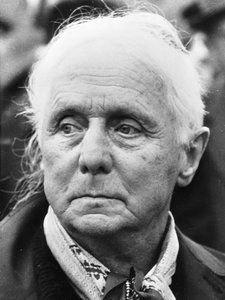
1891 - 1976 , Nemecko

Explore the profound history of sculpture, from classical realism to modern abstraction. Discover the mastery of form, texture, and medium through an expert art-historical lens designed for discerning collectors and enthusiasts.


Zostaňte v obraze s najnovšími správami zo sveta umenia, exkluzívnymi ponukami a nápormi na dekoráciu.
Povedzte nám o svojom projekte a naši odborníci na umenie vám pripravia 3 personalizované návrhy umeleckých diel.
Nechajte si od nás vybrať 3 možnosti priamo pre vás – zadarmo!


 Náhľad
 Odoslať
 Zdieľať
 Podrobnosti o dielo

 Stiahnuť
 Podobné diela
 RTG skúška
 Prezentácia
 Zobraziť viac







 Možnosť skla je dostupná len pri rozmeroch pod 110 cm