x

 AcrylicWallArtSurrealist Expression
 1942
1942 160.0 x 127.0 cm
Giclée tlač alebo plátno múzeálnej kvality s rýchlou výrobou a flexibilnými možnosťami povrchovej úpravy. ( Kúpiť ručne maľovaný obraz Kúpiť obrázok)





























Vyberte si z našich preddefinovaných rozmerov, ktoré zodpovedajú pôvodným pomeroḿ diela.

Môžete zadať vlastné rozmery, aby sa reprodukcia prispôsobila konkrétnemu rámu alebo priestoru. Ak zvolená veľkosť nebude zodpovedať proporciám originálu, dielo buď orežeme, alebo obraz rozšírime pomocou zrkadlenia či farebného doplnenia okrajov. Pred začatím výroby vám pošleme digitálnu ukážku na schválenie.
Máte na vedomí, že náhľad na obrazovke neodzrkadľuje skutočné orezanie alebo rozšírenie. Len digitálna ukážka presne zobrazí finálnu kompozíciu.
Hoci sú k dispozícii vlastné rozmery, pre zachovanie pôvodných proporcií odporúčame vybrať si rozmer z vopred definovaného zoznamu.
Celosvetová doprava () do 2 týždňov namiesto štandardných 4/5 týždňov. (15 august)


The Antipope
Veľkosť reprodukcie
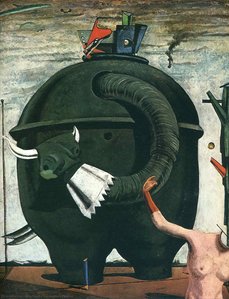
Surrealism emerged in the wake of Dada nihilism and was profoundly influenced by psychoanalytic theories pioneered by Sigmund Freud. Artists like Ernst rejected logic and reason, embracing chance encounters and automatic drawing—methods designed to liberate creativity from conscious control. “The Antipope” reflects this intellectual climate, responding to the pervasive fear and uncertainty surrounding the war effort with a visual language that defies easy interpretation.
The woman’s nudity symbolizes innocence and vulnerability, juxtaposed against the man's robe representing power and dogma. The staff she holds is ambiguous—a tool of authority yet also suggestive of fragility. Ernst deliberately avoids providing explicit explanations for these symbols, encouraging viewers to engage in their own contemplation and arrive at personal interpretations. The dark palette amplifies this sense of unease, hinting at hidden anxieties and repressed desires.
"The Antipope" resonates powerfully with its viewer not through didactic storytelling but through visceral emotion. It evokes feelings of disorientation, apprehension, and a questioning gaze—a hallmark of Surrealist art’s ambition to destabilize perceptions and challenge conventional beliefs. Ernst's pioneering use of frottage solidified his place as one of the movement’s foremost practitioners, influencing subsequent generations of artists who sought to explore the realm of dreams and subconsciousness.

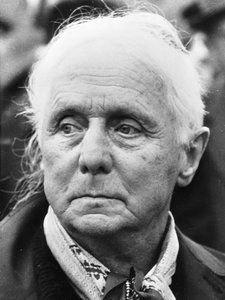
1891 - 1976 , Nemecko

Explore the visceral power of German Expressionism. From Ernst Ludwig Kirchner to Die Brücke, discover how bold colors and distorted forms unmask raw human emotion in this expert art history guide for collectors and enthusiasts.


Zostaňte v obraze s najnovšími správami zo sveta umenia, exkluzívnymi ponukami a nápormi na dekoráciu.
Povedzte nám o svojom projekte a naši odborníci na umenie vám pripravia 3 personalizované návrhy umeleckých diel.
Nechajte si od nás vybrať 3 možnosti priamo pre vás – zadarmo!


 Náhľad
 Odoslať
 Zdieľať
 Podrobnosti o dielo

 Stiahnuť
 Podobné diela
 RTG skúška
 Prezentácia
 Zobraziť viac







 Možnosť skla je dostupná len pri rozmeroch pod 110 cm