x

Giclée tlač alebo plátno múzeálnej kvality s rýchlou výrobou a flexibilnými možnosťami povrchovej úpravy. ( Kúpiť ručne maľovaný obraz Kúpiť obrázok)





























Vyberte si z našich preddefinovaných rozmerov, ktoré zodpovedajú pôvodným pomeroḿ diela.

Môžete zadať vlastné rozmery, aby sa reprodukcia prispôsobila konkrétnemu rámu alebo priestoru. Ak zvolená veľkosť nebude zodpovedať proporciám originálu, dielo buď orežeme, alebo obraz rozšírime pomocou zrkadlenia či farebného doplnenia okrajov. Pred začatím výroby vám pošleme digitálnu ukážku na schválenie.
Máte na vedomí, že náhľad na obrazovke neodzrkadľuje skutočné orezanie alebo rozšírenie. Len digitálna ukážka presne zobrazí finálnu kompozíciu.
Hoci sú k dispozícii vlastné rozmery, pre zachovanie pôvodných proporcií odporúčame vybrať si rozmer z vopred definovaného zoznamu.
Celosvetová doprava () do 2 týždňov namiesto štandardných 4/5 týždňov. (14 august)


The hat makes the man
Veľkosť reprodukcie
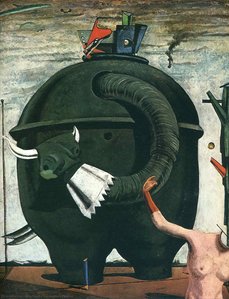
Max Ernst’s “The Hat Makes the Man,” completed in 1920, isn't merely a depiction of hats; it’s an invitation into the labyrinthine corridors of the subconscious. Created during the fervent crucible of Surrealism—a movement determined to liberate art from rational constraints—this gouache and ink on cut-and-pasted printed paper embodies Ernst’s signature approach: unsettling juxtapositions, textural experimentation, and a deliberate blurring of reality and fantasy.
Beyond its striking visual impact, “The Hat Makes the Man” overflows with symbolic significance. The hat itself—a commonplace object transformed into a monumental presence—represents identity, social status, and perhaps even protection from an unseen threat. Ernst’s masterful use of color – muted browns and greys punctuated by flashes of crimson – reinforces this sense of unease and invites contemplation about the masks we wear in everyday life.
Ernst’s innovative grattage technique wasn’t simply a stylistic flourish; it was a deliberate effort to capture the elusive essence of the unconscious mind. By stripping away layers of paint, he unearthed hidden textures and forms that spoke directly to the viewer's emotions—a testament to his belief in art as a conduit for psychological exploration.
To appreciate the breadth of Surrealist art and Ernst’s contribution to its canon, explore resources like Most-Famous-Paintings.com for insightful articles on Ernst's life and work. Alternatively, immerse yourself in the artistic landscape at institutions such as The Centre Pompidou (https://www.moma.org/collection/works/35478) and The Columbus Museum of Art ( /en/art/max-ernst-the-song-of-the-flesh-9GG5ZV-en/).

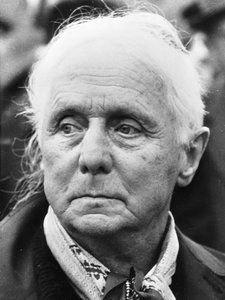
1891 - 1976 , Nemecko

Explore the profound depths of Surrealism. From Dalí’s dreamscapes to Magritte’s enigmas, master the history of the subconscious mind through our expert art guide and discover museum-quality oil reproductions of the world's most iconic surrealist masterpieces.

Explore the profound evolution of digital collage, where art history meets modern technology. Discover how contemporary masters merge classical techniques with digital innovation to create breathtaking new masterpieces for the modern collector.


Zostaňte v obraze s najnovšími správami zo sveta umenia, exkluzívnymi ponukami a nápormi na dekoráciu.
Povedzte nám o svojom projekte a naši odborníci na umenie vám pripravia 3 personalizované návrhy umeleckých diel.
Nechajte si od nás vybrať 3 možnosti priamo pre vás – zadarmo!


 Náhľad
 Odoslať
 Zdieľať
 Podrobnosti o dielo

 Stiahnuť
 Podobné diela
 RTG skúška
 Prezentácia

 Zobraziť viac







 Možnosť skla je dostupná len pri rozmeroch pod 110 cm