x


 Preview
 Objednať reprodukciu Kúpiť digitálnu verziu
 Odoslať
 Podrobnosti o dielo
 Pridať do obľúbených
 Stiahnuť
 Podobné diela
 RTG skúška
 Prezentácia
Giclée tlač alebo plátno múzeálnej kvality s rýchlou výrobou a flexibilnými možnosťami povrchovej úpravy.





























Vyberte si z našich preddefinovaných rozmerov, ktoré zodpovedajú pôvodným pomeroḿ diela.

Môžete zadať vlastné rozmery, aby sa reprodukcia prispôsobila konkrétnemu rámu alebo priestoru. Ak zvolená veľkosť nebude zodpovedať proporciám originálu, dielo buď orežeme, alebo obraz rozšírime pomocou zrkadlenia či farebného doplnenia okrajov. Pred začatím výroby vám pošleme digitálnu ukážku na schválenie.
Máte na vedomí, že náhľad na obrazovke neodzrkadľuje skutočné orezanie alebo rozšírenie. Len digitálna ukážka presne zobrazí finálnu kompozíciu.
Hoci sú k dispozícii vlastné rozmery, pre zachovanie pôvodných proporcií odporúčame vybrať si rozmer z vopred definovaného zoznamu.
Celosvetová doprava () do 2 týždňov namiesto štandardných 4/5 týždňov. (28 júl)


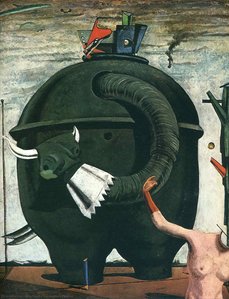
The postman Cheval
Veľkosť reprodukcie
Max Ernst’s “The Postman Cheval,” painted in 1932 during the height of Dadaism and Surrealism, isn't merely a depiction of a postal worker; it’s an audacious manifesto against rationality and a profound meditation on human aspiration. Created amidst the anxieties of pre-war Europe – grappling with fascism, economic instability, and simmering discontent – Ernst’s artwork embodies the spirit of rebellion that characterized these artistic movements.
The painting itself presents a bizarre tableau: Cheval, the postman, ascends a monumental staircase constructed from driftwood, seemingly determined to deliver mail to the moon. Surrounding him are fantastical creatures – a giraffe, a rhinoceros, and a snail – each contributing to the dreamlike atmosphere. These animals aren’t simply decorative; they represent primal instincts and desires, symbolizing humanity's yearning for transcendence.
Ernst deliberately utilized symbolism to convey complex psychological ideas. The staircase embodies ambition and perseverance, yet its unstable construction underscores the futility of striving towards unattainable goals. Cheval’s unwavering gaze directs upwards, signifying a refusal to accept limitations imposed by earthly realities.
The inclusion of animals – particularly the giraffe and rhinoceros – speaks to Freud's theories on unconscious desires and primal instincts. They represent forces beyond conscious control, mirroring the irrational impulses that drive human behavior. The snail symbolizes slow progress and perseverance despite obstacles—a poignant reminder that even seemingly insignificant efforts can contribute to a larger purpose.
“The Postman Cheval” emerged from Dadaism, born in Zurich during World War I as a reaction against the horrors of conflict and the perceived hypocrisy of bourgeois society. Dadaists rejected artistic conventions altogether, advocating for absurdity and spontaneity as tools for dismantling established ideologies.
Ernst’s artwork embodies this Dadaist ethos by deliberately undermining expectations and challenging viewers to confront uncomfortable truths about human nature. It serves as a powerful indictment of societal values that prioritize order over creativity and reason over imagination—values Ernst believed were ultimately destructive.
Ultimately, “The Postman Cheval” evokes a sense of melancholy wonder. Its unsettling imagery compels contemplation about the nature of ambition, desire, and the human condition. The painting’s dreamlike quality invites viewers to immerse themselves in a realm beyond logic, prompting them to consider what it truly means to strive for something greater than oneself.
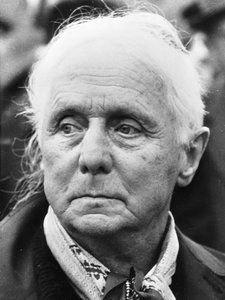
1891 - 1976 , Nemecko
Ponorte sa do sveta Maxa Ernsta! Objavte top 25 diel surrealistického majstra – od Frottage po snové krajiny. Kúpiť reprodukcie obrazov online na Most-Famous-Paintings.com a doprajte si luxusný dekor do interiéru.
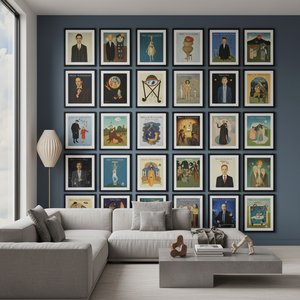
Ponorte sa do sveta René Magritta s Most-Famous-Paintings.com! Objavte top 25 diel belgického surrealistu – od ikonických obrazov po tajomné symboly. Kúpiť reprodukcie a inšpirujte sa pre luxusný interiér. Preskúmajte plátna, farebné motívy a umeleckú históriu online.

Ponorte sa do sveta snov a podvedomia! Objavte top 10 surrealistických majstrovských diel od Dalího, Magritta a Miró. Kvalitné art reprodukcie pre váš domov na Most-Famous-Paintings.com. Preskúmajte plnú kolekciu online.

Ponorte sa do sveta snov a podvedomia! Objavte top 10 surrealistických majstrovských diel od Dalího, Magritta a Miróa. Umelecké príbehy, techniky a inšpirácia pre váš interiér. Reprodukcie obrazov najvyššej kvality na Most-Famous-Paintings.com.

Ponorte sa do sveta Claude Moneta s Most-Famous-Paintings.sk! Objavte top 25 diel impresionistického majstra – od Vodných ľalií po Západ slnka. Reprodukcie obrazov pre váš domov a inšpirácia pre interiér. Preskúmajte plátna, farebné krajiny a ikonické motívy online.


Zostaňte v obraze s najnovšími správami zo sveta umenia, exkluzívnymi ponukami a nápormi na dekoráciu.
Povedzte nám o svojom projekte a naši odborníci na umenie vám pripravia 3 personalizované návrhy umeleckých diel.
Nechajte si od nás vybrať 3 možnosti priamo pre vás – zadarmo!


 Zdieľať


 Zobraziť viac







 Možnosť skla je dostupná len pri rozmeroch pod 110 cm