x


 Preview
 Objednať reprodukciu Kúpiť digitálnu verziu
 Odoslať
 Podrobnosti o dielo
 Pridať do obľúbených
 Stiahnuť
 Podobné diela
 RTG skúška
 Prezentácia
Giclée tlač alebo plátno múzeálnej kvality s rýchlou výrobou a flexibilnými možnosťami povrchovej úpravy.





























Vyberte si z našich preddefinovaných rozmerov, ktoré zodpovedajú pôvodným pomeroḿ diela.

Môžete zadať vlastné rozmery, aby sa reprodukcia prispôsobila konkrétnemu rámu alebo priestoru. Ak zvolená veľkosť nebude zodpovedať proporciám originálu, dielo buď orežeme, alebo obraz rozšírime pomocou zrkadlenia či farebného doplnenia okrajov. Pred začatím výroby vám pošleme digitálnu ukážku na schválenie.
Máte na vedomí, že náhľad na obrazovke neodzrkadľuje skutočné orezanie alebo rozšírenie. Len digitálna ukážka presne zobrazí finálnu kompozíciu.
Hoci sú k dispozícii vlastné rozmery, pre zachovanie pôvodných proporcií odporúčame vybrať si rozmer z vopred definovaného zoznamu.
Celosvetová doprava () do 2 týždňov namiesto štandardných 4/5 týždňov. (25 júl)


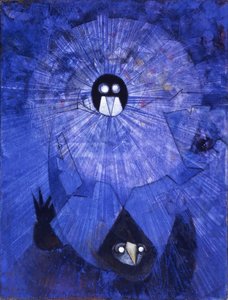
untitled (7248)
Veľkosť reprodukcie
Max Ernst’s “Untitled (7248),” painted in 1935, stands as an arresting testament to the burgeoning surrealist movement and its preoccupation with exploring the subconscious mind. More than just a visually striking image—a man morphing into a canine visage amidst avian companions—the painting invites contemplation on themes of identity, transformation, and the unsettling beauty found within irrationality.
Ernst’s approach to art was fundamentally rooted in experimentation. He eschewed traditional oil painting techniques, favoring instead collage – meticulously assembling disparate materials like paper fragments, printed images, and fabric scraps onto a canvas surface. This technique wasn't merely stylistic; it served as a deliberate strategy for bypassing conscious control and accessing primal impulses. The resulting textured surface reflects the artist’s desire to capture not just what he *saw*, but what his subconscious *felt*.
“Untitled (7248)” emerged during the turbulent Weimar Republic era in Germany—a period marked by political instability, economic hardship, and a pervasive sense of unease. Surrealism arose as a reaction to these anxieties, offering an aesthetic antidote to rational optimism. Artists like Ernst sought to liberate themselves from societal constraints and delve into realms beyond logic, mirroring the psychological landscape of their time.
The central figure—a man whose face has been transformed into a dog’s countenance—immediately grabs attention. This unsettling juxtaposition symbolizes anxieties surrounding masculinity, vulnerability, and the loss of human form. Simultaneously, the birds circling overhead represent freedom, aspiration, and perhaps also a hint of disorientation. Ernst skillfully employs symbolism to convey complex ideas about the human condition, prompting viewers to consider hidden meanings beneath the surface.
"Untitled (7248)" isn’t intended to elicit comfortable emotions; rather, it confronts us with a palpable sense of unease and disorientation. Ernst's masterful manipulation of color—bold reds, yellows, and blues—amplifies the painting’s emotional intensity. The overall effect is one of captivating beauty intertwined with psychological depth, inviting viewers into a dialogue about confronting inner turmoil and embracing the transformative power of irrational thought.

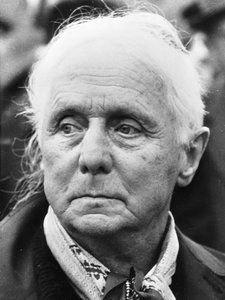
1891 - 1976 , Nemecko
Ponorte sa do sveta Maxa Ernsta! Objavte top 25 diel surrealistického majstra – od Frottage po snové krajiny. Kúpiť reprodukcie obrazov online na Most-Famous-Paintings.com a doprajte si luxusný dekor do interiéru.
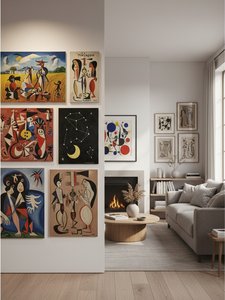
Ponorte sa do sveta Joana Miróa s našou exkluzívnou kolekciou 25 ikonických diel. Objavte príbehy za abstraktnými kompozíciami, surrealistickými motívmi a katalánskou farebnosťou. Reprodukcie obrazov pre váš dokonalý interiér na Most-Famous-Paintings.com.

Explore the captivating world of Surrealism with Most-Famous-Paintings. Discover its origins, key artists like Dalí & Ernst, and enduring influence on art history. High-quality reproductions available.

Ponorte sa do sveta snov a podvedomia! Objavte top 10 surrealistických majstrovských diel od Dalího, Magritta a Miróa. Umelecké príbehy, techniky a inšpirácia pre váš interiér. Reprodukcie obrazov najvyššej kvality na Most-Famous-Paintings.com.
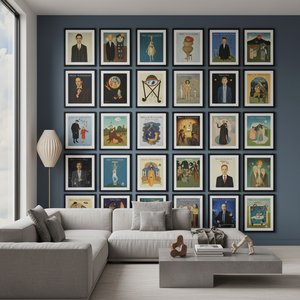
Ponorte sa do sveta René Magritta s Most-Famous-Paintings.com! Objavte top 25 diel belgického surrealistu – od ikonických obrazov po tajomné symboly. Kúpiť reprodukcie a inšpirujte sa pre luxusný interiér. Preskúmajte plátna, farebné motívy a umeleckú históriu online.


Zostaňte v obraze s najnovšími správami zo sveta umenia, exkluzívnymi ponukami a nápormi na dekoráciu.
Povedzte nám o svojom projekte a naši odborníci na umenie vám pripravia 3 personalizované návrhy umeleckých diel.
Nechajte si od nás vybrať 3 možnosti priamo pre vás – zadarmo!


 Zdieľať


 Zobraziť viac







 Možnosť skla je dostupná len pri rozmeroch pod 110 cm