x


 Objednať reprodukciu Kúpiť digitálnu verziu
 Odoslať
 Podrobnosti o dielo
 Pridať do obľúbených
 Stiahnuť
 Podobné diela
 RTG skúška
 Prezentácia
Giclée tlač alebo plátno múzeálnej kvality s rýchlou výrobou a flexibilnými možnosťami povrchovej úpravy.





























Vyberte si z našich preddefinovaných rozmerov, ktoré zodpovedajú pôvodným pomeroḿ diela.

Môžete zadať vlastné rozmery, aby sa reprodukcia prispôsobila konkrétnemu rámu alebo priestoru. Ak zvolená veľkosť nebude zodpovedať proporciám originálu, dielo buď orežeme, alebo obraz rozšírime pomocou zrkadlenia či farebného doplnenia okrajov. Pred začatím výroby vám pošleme digitálnu ukážku na schválenie.
Máte na vedomí, že náhľad na obrazovke neodzrkadľuje skutočné orezanie alebo rozšírenie. Len digitálna ukážka presne zobrazí finálnu kompozíciu.
Hoci sú k dispozícii vlastné rozmery, pre zachovanie pôvodných proporcií odporúčame vybrať si rozmer z vopred definovaného zoznamu.
Celosvetová doprava () do 2 týždňov namiesto štandardných 4/5 týždňov. (23 júl)


untitled (9522)
Veľkosť reprodukcie
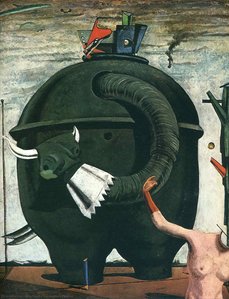
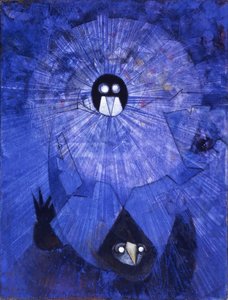
Max Ernst's "Untitled (9522)" is more than just a depiction of a beach scene; it’s an immersion into the subconscious, a meticulously crafted exploration of the surreal. Painted in 1943, during a period of intense artistic experimentation for the German-born artist, this work exemplifies Ernst’s core approach to Surrealism – not simply mimicking dreams, but actively constructing them through a deliberate process of association and disruption.
Understanding “Untitled (9522)” requires acknowledging the profound intellectual currents that shaped Max Ernst’s artistic vision. Born in 1891 in Brühl, Germany, Ernst was a voracious reader and student of philosophy, psychology, and art history – disciplines he pursued with an almost obsessive intensity. His academic background at Bonn University, where he studied under figures like Freud and Jung, profoundly influenced his approach to art. He wasn’t interested in merely representing the external world; instead, he sought to unlock the hidden realities residing within the human psyche. This pursuit led him to explore automatism – a technique of spontaneous creation without conscious control – as a means of accessing the unconscious mind.
The painting’s symbolism is deliberately ambiguous, inviting multiple interpretations. The birds, frequently associated with freedom and spirituality in art history, here seem trapped within their flight, perhaps reflecting the anxieties of wartime Europe. The shell, a recurring motif in Ernst's work, can be seen as representing both fragility and the remnants of the past. The beach itself – a liminal space between land and sea – further amplifies this sense of unease and transition. Ernst’s intention was to evoke a feeling of disorientation and psychological tension, prompting viewers to confront their own subconscious fears and desires.
"Untitled (9522)" was created during World War II, a period of immense upheaval and uncertainty. This context undoubtedly informs the painting’s unsettling atmosphere. Max Ernst’s work, particularly during this time, became increasingly preoccupied with themes of displacement, loss, and the fragility of human existence. His contribution to Surrealism extended beyond mere aesthetic experimentation; he was a pioneer in challenging conventional notions of reality and exploring the darker recesses of the human mind. His influence continues to resonate within contemporary art, solidifying his position as one of the 20th century’s most innovative and enduring artists.

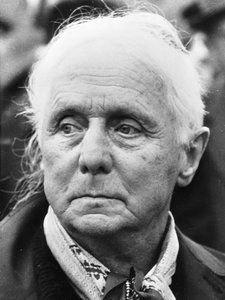
1891 - 1976 , Nemecko

Ponorte sa do sveta surrealistického expresionizmu! Objavte 10 majstrovských diel od Dalího, Magritta a ďalších. História umenia, techniky a reprodukcie obrazov pre váš domov na Most-Famous-Paintings.com. Preskúmajte kolekciu online!

Objavte nadčasovú krásu vintage umenia s ! Kvalitné reprodukcie obrazov, personalizované návrhy a dostupnosť pre každého. Premeňte svoj domov na galériu!
Ponorte sa do sveta Maxa Ernsta! Objavte top 25 diel surrealistického majstra – od Frottage po snové krajiny. Kúpiť reprodukcie obrazov online na Most-Famous-Paintings.com a doprajte si luxusný dekor do interiéru.

Explore the captivating world of Surrealism with Most-Famous-Paintings. Discover its origins, key artists like Dalí & Ernst, and enduring influence on art history. High-quality reproductions available.

Ponorte sa do sveta snov a podvedomia! Objavte top 10 surrealistických majstrovských diel od Dalího, Magritta a Miróa. Umelecké príbehy, techniky a inšpirácia pre váš interiér. Reprodukcie obrazov najvyššej kvality na Most-Famous-Paintings.com.


Zostaňte v obraze s najnovšími správami zo sveta umenia, exkluzívnymi ponukami a nápormi na dekoráciu.
Povedzte nám o svojom projekte a naši odborníci na umenie vám pripravia 3 personalizované návrhy umeleckých diel.
Nechajte si od nás vybrať 3 možnosti priamo pre vás – zadarmo!


 Zdieľať


 Zobraziť viac







 Možnosť skla je dostupná len pri rozmeroch pod 110 cm