x

 Olej na plátneWallArtPost-Impressionism
 1866Neskorá gotika
 167.0 x 105.0 cm
 Chrysler Museum of Art
Giclée tlač alebo plátno múzeálnej kvality s rýchlou výrobou a flexibilnými možnosťami povrchovej úpravy. ( Kúpiť ručne maľovaný obraz Kúpiť obrázok)





























Vyberte si z našich preddefinovaných rozmerov, ktoré zodpovedajú pôvodným pomeroḿ diela.

Môžete zadať vlastné rozmery, aby sa reprodukcia prispôsobila konkrétnemu rámu alebo priestoru. Ak zvolená veľkosť nebude zodpovedať proporciám originálu, dielo buď orežeme, alebo obraz rozšírime pomocou zrkadlenia či farebného doplnenia okrajov. Pred začatím výroby vám pošleme digitálnu ukážku na schválenie.
Máte na vedomí, že náhľad na obrazovke neodzrkadľuje skutočné orezanie alebo rozšírenie. Len digitálna ukážka presne zobrazí finálnu kompozíciu.
Hoci sú k dispozícii vlastné rozmery, pre zachovanie pôvodných proporcií odporúčame vybrať si rozmer z vopred definovaného zoznamu.
Celosvetová doprava () do 2 týždňov namiesto štandardných 4/5 týždňov. (20 august)


Bather and Rocks
Veľkosť reprodukcie
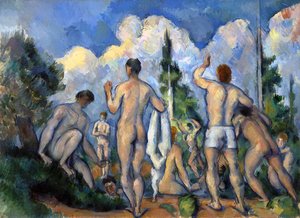
Paul Cézanne's "Bather and Rocks," a captivating fragment salvaged from a monumental mural conceived during his time in southern France, offers an immediate and powerful encounter. More than just a depiction of a nude figure, it’s a distilled essence of Cézanne’s revolutionary approach to painting – a deliberate rejection of academic conventions in favor of capturing the fundamental structure of reality. Painted in 1866, this piece embodies his evolving exploration of form, color, and light, foreshadowing the burgeoning movements that would follow. The scene unfolds with an almost violent energy; the heavily muscled nude, seemingly poised on a precarious rock formation, confronts a colossal, looming boulder, as if battling against the relentless force of rushing water. This isn’t a tranquil pastoral scene; it's imbued with a sense of struggle and dynamism – a testament to Cézanne’s desire to represent not just what he saw, but how he *felt* about what he saw.
It’s crucial to understand that “Bather and Rocks” exists as a fragment of something far grander. At the time of its creation, Cézanne was transforming the walls of an 18th-century mansion into a vast landscape – a project that reflected his fascination with the natural world and his ambition to synthesize observation and imagination. The mural’s eventual dismantling in 1907, and subsequent sale of this particular section, underscores the artist's deliberate choice to isolate this powerful image. This detachment, however, doesn’t diminish its impact; rather, it concentrates the energy and intensity of Cézanne’s vision, allowing viewers to contemplate the figure and the rock in a more intimate way. The fact that it was removed from its original context adds an element of mystery – we are left with a tantalizing glimpse into a larger, unfinished world.
Cézanne’s technique is immediately recognizable and profoundly influential. He employed a method of building up forms through small, broken brushstrokes—often applied in parallel directions—creating an illusion of solidity and depth. Notice how he uses planes of color to define the rock face, layering hues to suggest volume and texture. The water itself isn't rendered with smooth transitions; instead, it’s depicted as a series of overlapping strokes, conveying its movement and force. This deliberate fragmentation of form – a hallmark of Cézanne’s style – paved the way for Cubism and profoundly impacted 20th-century art. The use of oil on canvas, transferred from plaster, highlights the tactile quality of his work, inviting us to imagine the artist's hands shaping the image directly onto the surface.
While seemingly simple in its composition, “Bather and Rocks” is rich with symbolic potential. The nude figure can be interpreted as a representation of humanity confronting nature – a struggle for survival, perhaps, or an assertion of strength against overwhelming forces. The rock itself acts as both obstacle and support, symbolizing resilience and the enduring power of the natural world. The painting’s emotional impact is undeniably visceral; it evokes feelings of awe, vulnerability, and a deep connection to the elemental forces of nature. Cézanne wasn't simply depicting a scene; he was conveying an experience – a profound meditation on the relationship between man and his environment.


1839 - 1906 , Francúzsko
Objavte top 25 diel Paula Cézanna – impresionistické krajinomaľby, zátišia a portréty. Prežite príbeh umelca a jeho majstrovských techník. Reprodukcie obrazov pre luxusný domov na Most-Famous-Paintings.com

Ponorte sa do sveta impresionizmu! Objavte top 10 majstrovských diel krajinárskej maľby od Monet, Renoir a ďalších. Inšpirujte sa farebnými plátnami a prineste si kúsok francúzskeho umenia do vášho interiéru s Most-Famous-Paintings.com. Preskúmajte rozsiahlu kolekciu online!
Objavte top 10 krajín v umení od Van Gogha po Monet! Prežite príbehy slávnych majstrov a ich ikonických diel. Reprodukcie obrazov pre váš domov na Most-Famous-Paintings.com – múzejná kvalita, inšpirácia a dekorácie.

Explore the rich history of landscape art with Most-Famous-Paintings. Discover renowned artists, movements like Impressionism & Romanticism, and expert guidance for collecting timeless pieces. Find your perfect serene escape today!

Explore the rich history of landscape art with Most-Famous-Paintings. Discover renowned artists, movements like Impressionism & tonalism, and expert guidance for collecting timeless pieces. Find your perfect serene escape today!


Zostaňte v obraze s najnovšími správami zo sveta umenia, exkluzívnymi ponukami a nápormi na dekoráciu.
Povedzte nám o svojom projekte a naši odborníci na umenie vám pripravia 3 personalizované návrhy umeleckých diel.
Nechajte si od nás vybrať 3 možnosti priamo pre vás – zadarmo!


 Náhľad
 Odoslať
 Zdieľať
 Podrobnosti o dielo

 Stiahnuť
 Podobné diela
 RTG skúška
 Prezentácia
 Zobraziť viac







 Možnosť skla je dostupná len pri rozmeroch pod 110 cm