x

Giclée tlač alebo plátno múzeálnej kvality s rýchlou výrobou a flexibilnými možnosťami povrchovej úpravy. ( Prejsť na ručne maľovanú reprodukciu Prepnúť na obrázok)





























Vyberte si z našich preddefinovaných rozmerov, ktoré zodpovedajú pôvodným pomeroḿ diela.

Môžete zadať vlastné rozmery, aby sa reprodukcia prispôsobila konkrétnemu rámu alebo priestoru. Ak zvolená veľkosť nebude zodpovedať proporciám originálu, dielo buď orežeme, alebo obraz rozšírime pomocou zrkadlenia či farebného doplnenia okrajov. Pred začatím výroby vám pošleme digitálnu ukážku na schválenie.
Máte na vedomí, že náhľad na obrazovke neodzrkadľuje skutočné orezanie alebo rozšírenie. Len digitálna ukážka presne zobrazí finálnu kompozíciu.
Hoci sú k dispozícii vlastné rozmery, pre zachovanie pôvodných proporcií odporúčame vybrať si rozmer z vopred definovaného zoznamu.
Celosvetová doprava () do 2 týždňov namiesto štandardných 4/5 týždňov. (7 august)


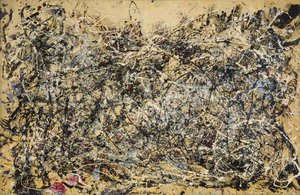
Number 8
Veľkosť reprodukcie
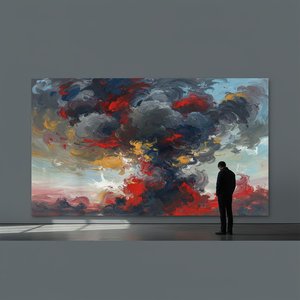
Jackson Pollock's "Number 8," created in 1949, stands as a pivotal work within the Abstract Expressionist movement. This piece exemplifies Pollock’s revolutionary “drip technique,” where paint was poured and flung onto a canvas laid horizontally on the floor. This method allowed for a complete immersion of the artist into the creative process, moving beyond traditional easel painting to embrace a dynamic, almost performative act. The absence of recognizable imagery forces viewers to engage directly with the raw energy and materiality of the paint itself. "Number 8" isn't about depicting something; it’s about *doing* – capturing a moment of spontaneous creation.
The composition of "Number 8" is a complex web of interwoven lines, drips, and splatters. Pollock utilized a variety of tools—sticks, knives, even hardened brushes—to manipulate the paint's flow, creating layers of texture and depth. The dominant color palette features greens, blacks, yellows, and rust tones, all blended in an intricate dance across the canvas. Notice how the lines don’t simply stop at the edges; they seem to extend beyond the frame, suggesting a boundless energy contained within the work's boundaries. This "all-over" composition, where every inch of the canvas is treated with equal importance, was a hallmark of Pollock’s style and challenged traditional notions of pictorial space.
"Number 8" emerged during a period of significant cultural change in post-World War II America. Abstract Expressionism reflected a desire to break from European artistic traditions and establish a uniquely American voice in the art world. The movement was also influenced by psychological theories, particularly Jungian psychology, which explored the power of the unconscious mind. While Pollock’s work is largely non-representational, some critics have interpreted his drip paintings as symbolic representations of primal forces, emotional turmoil, or even cosmic energies. The act of creation itself became a form of self-expression and exploration.
Viewing "Number 8" can be an intensely visceral experience. The chaotic yet controlled arrangement of paint evokes feelings of energy, movement, and perhaps even anxiety. It’s a work that demands active engagement from the viewer – there's no passive observation here. Pollock’s innovative technique and his commitment to pure abstraction profoundly influenced subsequent generations of artists, solidifying his place as one of the most important figures in modern art history. The painting continues to inspire awe and debate, prompting viewers to reconsider the very nature of artistic creation and the power of abstract expression.


1912 - 1956 , Spojené štáty americké

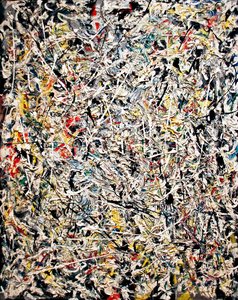
Ponorte sa do sveta abstraktného expresionizmu s Pollockom, Rothkom a ďalšími majstrami. Objavte príbehy za 10 ikonických diel, techniky a farby, ktoré definovali toto revolučné umenie. Kvalitné reprodukcie na Most-Famous-Paintings.com.

Explore the revolutionary art of Jackson Pollock & Abstract Expressionism. Discover his iconic drip paintings, lasting impact, and considerations for collecting this pivotal American artist. Expert insights at Most-Famous-Paintings.
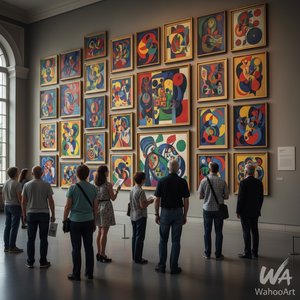
Ponorte sa do sveta Wassilyho Kandinského s Most-Famous-Paintings.com! Objavte top 25 diel abstraktného umenia, expresionizmu a farebných kompozícií. Kúpiť reprodukcie obrazov pre dokonalý dizajn interiéru. Explore the full collection online.
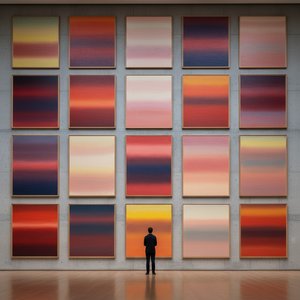
Ponorte sa do sveta Marka Rothka s Most-Famous-Paintings.com! Objavte top 25 diel abstraktného expresionizmu, farebných plôch a hlbokých emócií. Kúpiť reprodukcie obrazov online a inšpirujte sa pre luxusný interiérový dizajn. Preskúmajte celú kolekciu na Most-Famous-Paintings.com
Explore the profound emotional world of Abstract Expressionism with Most-Famous-Paintings. Discover key artists like Pollock & Rothko, learn about collecting, and find museum-quality reproductions to inspire your space.


Zostaňte v obraze s najnovšími správami zo sveta umenia, exkluzívnymi ponukami a nápormi na dekoráciu.
Povedzte nám o svojom projekte a naši odborníci na umenie vám pripravia 3 personalizované návrhy umeleckých diel.
Nechajte si od nás vybrať 3 možnosti priamo pre vás – zadarmo!


 Náhľad
 Odoslať
 Zdieľať
 Podrobnosti o dielo

 Stiahnuť
 Podobné diela
 RTG skúška
 Prezentácia

 Zobraziť viac







 Možnosť skla je dostupná len pri rozmeroch pod 110 cm