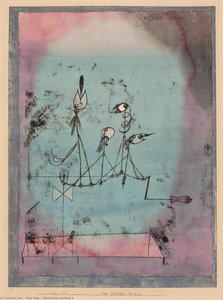
x

 Mixed MediaWallArtCubist
 1920Modern
 42.0 x 49.0 cm
 Lenbachhaus
Giclée tlač alebo plátno múzeálnej kvality s rýchlou výrobou a flexibilnými možnosťami povrchovej úpravy. ( Prejsť na ručne maľovanú reprodukciu Prepnúť na obrázok)
Vyberte si z našich preddefinovaných rozmerov, ktoré zodpovedajú pôvodným pomeroḿ diela.

Môžete zadať vlastné rozmery, aby sa reprodukcia prispôsobila konkrétnemu rámu alebo priestoru. Ak zvolená veľkosť nebude zodpovedať proporciám originálu, dielo buď orežeme, alebo obraz rozšírime pomocou zrkadlenia či farebného doplnenia okrajov. Pred začatím výroby vám pošleme digitálnu ukážku na schválenie.
Máte na vedomí, že náhľad na obrazovke neodzrkadľuje skutočné orezanie alebo rozšírenie. Len digitálna ukážka presne zobrazí finálnu kompozíciu.
Hoci sú k dispozícii vlastné rozmery, pre zachovanie pôvodných proporcií odporúčame vybrať si rozmer z vopred definovaného zoznamu.
Celosvetová doprava () do 2 týždňov namiesto štandardných 4/5 týždňov. (5 august)


Rose Garden
Veľkosť reprodukcie
In the quiet corners of the Lenbachhaus in Munich, Paul Klee’s “Rose Garden” (1920) awaits, offering a visual experience that transcends the boundaries of mere painting. To gaze upon this masterpiece is to step into a world where the organic and the architectural dance in perfect, rhythmic unison. Created during a pivotal moment in Klee's life—shortly after his service in the First World War and around the time he joined the legendary Bauhaus faculty—the work serves as a profound exploration of form and color. It is not simply a depiction of flora, but a carefully constructed symphony where every triangle and rectangle acts as a musical note, building toward a crescendo of visual delight.
The painting immediately captivates with its vibrant, warm palette. A sea of reds, oranges, and soft pinks dominates the canvas, creating an atmosphere that feels both sun-drenched and intimately tender. Yet, Klee masterfully interweaves these warmth-driven tones with cooler purples, whites, and subtle greys, preventing the composition from becoming overwhelming. This delicate balance of temperature creates a sense of depth and movement, as if the garden itself is breathing through the layers of color.
Klee’s technique in “Rose Garden” defies the conventional perspective we often expect from landscape art. Instead of a literal representation of a garden, he presents a fractured, Cubist-inspired landscape composed of geometric shapes. Sharp-edged rectangles and triangles overlap and intersect, creating a structural complexity that suggests both a map-like cityscape and a lush, botanical arrangement. This interplay between the rigid and the fluid is where the true magic of the piece resides; while the sharp lines provide an architectural skeleton, the soft, circular motifs—resembling the roses themselves—soften the edges, injecting a sense of organic spontaneity into the geometric grid.
The artist likely employed a rich mixed-media approach, utilizing oil, watercolor, and perhaps even pencil on paper or cardboard. This layering technique lends the surface a tactile, textured quality that invites closer inspection. For the discerning collector or interior designer, this texture provides a sophisticated depth that allows the artwork to transform depending on the lighting of a room. The way the colors appear in distinct, unblended patches enhances the decorative, almost mosaic-like effect, making it an ideal centerpiece for spaces that value modern abstraction and rhythmic design.
Beyond its formal brilliance, “Rose Garden” resonates with a deep, symbolic soul. Klee, a trained violinist, often approached his canvases as if composing music, and one can hear the melody in the way the shapes are arranged. The roses, scattered like bright blossoms across a structured terrain, serve as symbols of eternal presence and beauty amidst the chaos of life. There is a whimsical, almost playful energy to the work, yet it carries an underlying layer of contemplative stillness. It captures that fleeting moment where nature’s wildness meets human order.
For those seeking to bring a piece of art history into their personal sanctuary, this reproduction offers more than just aesthetic beauty; it offers an emotional anchor. Whether placed in a contemporary minimalist setting or a classic, richly textured study, “Rose Garden” provides a window into the visionary mind of Paul Klee. It is a testament to the power of abstraction to capture the very essence of life—not through what we see with our eyes, but through what we feel within our hearts.
1879 - 1940 , Švajčiarsko

Objavte top 25 diel Paula Kleeho – od expresionistických kompozícií po abstraktné farebné svety. Prežite príbeh umelca, techniky a nadčasovej krásy. Kvalitné reprodukcie obrazov pre váš interiér na Most-Famous-Paintings.com.
Objavte top 25 diel Paula Cézanna – impresionistické krajinomaľby, zátišia a portréty. Prežite príbeh umelca a jeho majstrovských techník. Reprodukcie obrazov pre luxusný domov na Most-Famous-Paintings.com
Ponorte sa do sveta geometrickej abstrakcie! Objavte 10 majstrovských diel od Mondriana, Kandinského a ďalších. História umenia, techniky a farebné kompozície na Most-Famous-Paintings.com – reprodukcie obrazov pre váš domov.
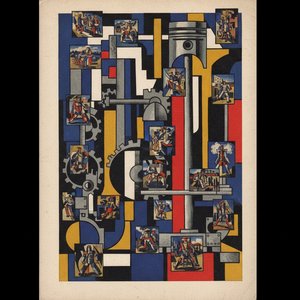
Objavte top 25 diel Fernand Légera – priekopníka kubizmu a tubizmu. Prežite príbeh za ikonickými obrazmi, farebnou kompozíciou a strojovým vekom. Reprodukcie pre váš interiér na Most-Famous-Paintings.com! Preskúmajte celú kolekciu online.
Ponorte sa do sveta Wassilyho Kandinského s Most-Famous-Paintings.com! Objavte top 25 diel abstraktného umenia, expresionizmu a farebných kompozícií. Kúpiť reprodukcie obrazov pre dokonalý dizajn interiéru. Explore the full collection online.


Zostaňte v obraze s najnovšími správami zo sveta umenia, exkluzívnymi ponukami a nápormi na dekoráciu.
Povedzte nám o svojom projekte a naši odborníci na umenie vám pripravia 3 personalizované návrhy umeleckých diel.
Nechajte si od nás vybrať 3 možnosti priamo pre vás – zadarmo!


 Náhľad
 Odoslať
 Zdieľať
 Podrobnosti o dielo

 Stiahnuť
 Podobné diela
 RTG skúška
 Prezentácia
 Zobraziť viac




































 Možnosť skla je dostupná len pri rozmeroch pod 110 cm