x

Giclée tlač alebo plátno múzeálnej kvality s rýchlou výrobou a flexibilnými možnosťami povrchovej úpravy. ( Kúpiť ručne maľovaný obraz Kúpiť obrázok)





























Vyberte si z našich preddefinovaných rozmerov, ktoré zodpovedajú pôvodným pomeroḿ diela.

Môžete zadať vlastné rozmery, aby sa reprodukcia prispôsobila konkrétnemu rámu alebo priestoru. Ak zvolená veľkosť nebude zodpovedať proporciám originálu, dielo buď orežeme, alebo obraz rozšírime pomocou zrkadlenia či farebného doplnenia okrajov. Pred začatím výroby vám pošleme digitálnu ukážku na schválenie.
Máte na vedomí, že náhľad na obrazovke neodzrkadľuje skutočné orezanie alebo rozšírenie. Len digitálna ukážka presne zobrazí finálnu kompozíciu.
Hoci sú k dispozícii vlastné rozmery, pre zachovanie pôvodných proporcií odporúčame vybrať si rozmer z vopred definovaného zoznamu.
Celosvetová doprava () do 2 týždňov namiesto štandardných 4/5 týždňov. (18 august)


Lemons
Veľkosť reprodukcie
Pierre-Auguste Renoir’s “Lemons,” painted in 1912, stands as a quintessential embodiment of Impressionism—a movement that irrevocably altered the course of art history. More than just a depiction of fruit on a table; it's an exploration of fleeting moments and sensory experience, meticulously crafted by Renoir to capture the very essence of Parisian life during its Belle Époque.
Born in Limoges in 1841, Renoir’s artistic journey began amidst the burgeoning intellectual fervor of Paris. Influenced by artists like Monet and Sisley, he actively challenged the conventions of academic painting—which prioritized meticulous detail and idealized representations—favoring instead a more subjective approach to capturing visual impressions.
The Impressionist movement arose in response to the rigid rules imposed by the Salon jury, demanding that artists abandon traditional techniques and embrace spontaneity. Renoir’s “Lemons” reflects this spirit of rebellion, prioritizing atmosphere and color over precise rendering—a conscious decision to align with the broader artistic ethos of his era.
While seemingly unassuming, “Lemons” carries subtle symbolic weight. The lemon itself has long been associated with freshness, vitality, and optimism—qualities that Renoir skillfully conveys through his luminous palette. Furthermore, the arrangement of the lemons on the table serves as a visual metaphor for balance and harmony—a reflection of Renoir’s artistic sensibilities.
The stark white tablecloth provides a contrasting backdrop, emphasizing the vibrancy of the citrus fruits and highlighting their sculptural qualities. This careful composition underscores Renoir's intention to elevate an ordinary subject into something extraordinary – capturing not just what is seen but how it feels.
"Lemons" transcends its visual simplicity, resonating with viewers on a deeply emotional level. Renoir’s ability to evoke warmth and tranquility—a hallmark of Impressionist art—continues to inspire artists today. His innovative techniques paved the way for subsequent movements like Post-Impressionism and Fauvism, establishing him as one of the most influential painters of the late 19th century.
Reproductions of “Lemons” offer a captivating glimpse into Renoir’s artistic vision—allowing collectors and interior designers alike to experience the beauty and tranquility of this timeless masterpiece.

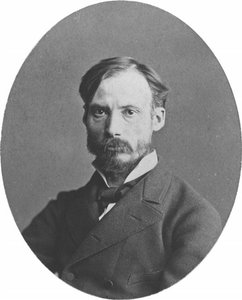
1841 - 1919 , Francúzsko

Ponorte sa do sveta Pierra-Augusta Renoira! Objavte 25 ikonických obrazov impresionizmu, ich príbehy a techniky. Reprodukcie diel Renoira pre váš domov na Most-Famous-Paintings.com – múzejná kvalita a inšpirácia pre interiér.

Objavte top 10 majstrovských diel impresionizmu! Monet, Renoir, Degas a ďalší umelci. Prežite príbehy ikonických obrazov plných farieb a svetla. Reprodukcie pre váš interiér na Most-Famous-Paintings.com.

Ponorte sa do sveta impresionizmu s 10 majstrovskými dielami od Monet, Renoir a ďalších. Objavte príbehy umelcov, techniky a farby, ktoré zmenili dejiny umenia. Kúpiť reprodukcie obrazov na Most-Famous-Paintings.com!

Explore the captivating world of Pierre-Auguste Renoir! Discover his life, iconic Impressionist masterpieces & enduring legacy with our expert guide. High-quality reproductions available.

Ponorte sa do sveta impresionizmu! Objavte top 10 majstrovských diel krajinárskej maľby od Monet, Renoir a ďalších. Inšpirujte sa farebnými plátnami a prineste si kúsok francúzskeho umenia do vášho interiéru s Most-Famous-Paintings.com. Preskúmajte rozsiahlu kolekciu online!


Zostaňte v obraze s najnovšími správami zo sveta umenia, exkluzívnymi ponukami a nápormi na dekoráciu.
Povedzte nám o svojom projekte a naši odborníci na umenie vám pripravia 3 personalizované návrhy umeleckých diel.
Nechajte si od nás vybrať 3 možnosti priamo pre vás – zadarmo!


 Náhľad
 Odoslať
 Zdieľať
 Podrobnosti o dielo

 Stiahnuť
 Podobné diela
 RTG skúška
 Prezentácia

 Zobraziť viac







 Možnosť skla je dostupná len pri rozmeroch pod 110 cm