x

 Oil On PanelEarly Netherlandish Renaissance
 1435Renaissance
 220.0 x 262.0 cm
 Museo del Prado
Giclée tlač alebo plátno múzeálnej kvality s rýchlou výrobou a flexibilnými možnosťami povrchovej úpravy. ( Kúpiť ručne maľovaný obraz Kúpiť obrázok)





























Vyberte si z našich preddefinovaných rozmerov, ktoré zodpovedajú pôvodným pomeroḿ diela.

Môžete zadať vlastné rozmery, aby sa reprodukcia prispôsobila konkrétnemu rámu alebo priestoru. Ak zvolená veľkosť nebude zodpovedať proporciám originálu, dielo buď orežeme, alebo obraz rozšírime pomocou zrkadlenia či farebného doplnenia okrajov. Pred začatím výroby vám pošleme digitálnu ukážku na schválenie.
Máte na vedomí, že náhľad na obrazovke neodzrkadľuje skutočné orezanie alebo rozšírenie. Len digitálna ukážka presne zobrazí finálnu kompozíciu.
Hoci sú k dispozícii vlastné rozmery, pre zachovanie pôvodných proporcií odporúčame vybrať si rozmer z vopred definovaného zoznamu.
Celosvetová doprava () do 2 týždňov namiesto štandardných 4/5 týždňov. (19 august)


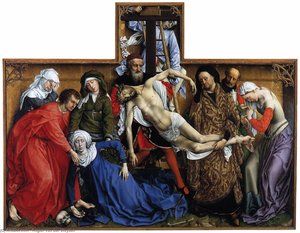
Deposition
Veľkosť reprodukcie
In the quiet, hallowed halls of art history, few works command the soul with such immediate, visceral intensity as Rogier van der Weyden’s Deposition. Completed around 1435, this monumental panel painting is not merely a depiction of a biblical event; it is a profound psychological landscape that captures the very essence of human sorrow. The scene unfolds with a breathtaking sense of drama, portraying the moment Christ is lowered from the cross, his lifeless body supported by those who loved him most. As the viewer gazes upon this sacred tableau, they are not just observers of a historical narrative, but witnesses to an intimate, agonizing farewell. The composition is a masterclass in emotional architecture, where every slumped shoulder and tear-streaked face contributes to a collective experience of mourning that transcends the centuries.
The technical brilliance of Van der Weyden lies in his ability to marry the meticulous precision of the Early Netherlandish tradition with an unprecedented emotional depth. Utilizing a refined approach to sfumato, the artist subtly blends colors to create soft, atmospheric transitions that lend a lifelike quality to the figures. His background as a trained goldsmith is evident in the exquisite rendering of textures; one can almost feel the heavy weight of the velvet drapery, the coldness of the skin, and the intricate details of the garments. This hyper-realistic approach serves a higher purpose: by making the physical world so tangible, he makes the spiritual suffering of the figures undeniably real. The vibrant primary colors—deep reds, celestial blues, and stark whites—are not merely decorative but serve to guide the eye through the complex choreography of grief.
Every element within this composition is laden with symbolic significance, designed to invite deep contemplation. The arrangement of the figures creates a striking visual rhythm, often noted for its T-shaped configuration which subtly echoes the shape of a crossbow—a nod to the Leuven Guild of Archers who commissioned this magnificent altarpiece. Mary, the Mother of Christ, serves as the emotional anchor of the work; her posture of profound humility and maternal compassion mirrors the limp, broken form of her son. This mirroring of physical states suggests a spiritual unity in their suffering. Even the light within the painting plays a narrative role, illuminating the faces of the mourners to highlight their individual reactions—from the stoic strength of Nicodemus to the frantic devotion of Mary Magdalene.
For the discerning collector or interior designer, a high-quality reproduction of this masterpiece offers more than just aesthetic beauty; it brings a sense of historical gravity and intellectual depth to a space. The Deposition is a testament to the power of art to capture the most complex human emotions. Whether placed in a curated gallery setting or as a focal point in a sophisticated study, this work inspires a mood of reverence and quiet reflection. It stands as an enduring icon of the Burgundian Renaissance, reminding us that true beauty often resides in the most vulnerable and profound moments of the human condition.

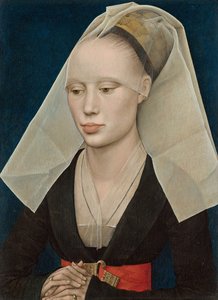
1400 - 1464 , Belgie

Objavte 10 ikonických majstrov raného holandskej renesancie – Jan van Eyck, Rogier van der Weyden a ďalší. Prežite príbehy umenia, techniky a symbolizmu. Reprodukcie obrazov pre váš interiér na Most-Famous-Paintings.com.
Ponorte sa do sveta Vincenta van Gogha s Most-Famous-Paintings.sk! Objavte top 25 majstrovských diel – od Slnečníc po Hviezdy nad Rónou. Kvalitné reprodukcie obrazov, impresionizmus a postimpresionizmus pre váš domov. Preskúmajte plátna online.

Explore the revolutionary art of Rogier van der Weyden, a pivotal figure of the Early Netherlandish Renaissance. Discover his emotional realism, innovative compositions, and lasting impact on painting history.

Objavte 10 majstrov raného nizozemského maliarstva – Jan van Eyck, Rogier van der Weyden a ďalší. Prežite príbehy ikonických diel renesancie a inšpirujte sa pre váš interiér s kvalitnými reprodukciami na Most-Famous-Paintings.com.

Explore the revolutionary art of Hugo van der Goes – a master of Early Netherlandish painting renowned for his dramatic realism, psychological depth & profound influence on Renaissance artists. Discover his iconic works and lasting legacy.


Zostaňte v obraze s najnovšími správami zo sveta umenia, exkluzívnymi ponukami a nápormi na dekoráciu.
Povedzte nám o svojom projekte a naši odborníci na umenie vám pripravia 3 personalizované návrhy umeleckých diel.
Nechajte si od nás vybrať 3 možnosti priamo pre vás – zadarmo!


 Náhľad
 Odoslať
 Zdieľať
 Podrobnosti o dielo

 Stiahnuť
 Podobné diela
 RTG skúška
 Prezentácia
 Zobraziť viac







 Možnosť skla je dostupná len pri rozmeroch pod 110 cm