x

 Acrylic On CanvasWallArtEarly Netherlandish
 1455
1455 77.0 x 48.0 cm
 Staatliche Museen zu Berlin
Giclée tlač alebo plátno múzeálnej kvality s rýchlou výrobou a flexibilnými možnosťami povrchovej úpravy. ( Kúpiť ručne maľovaný obraz Kúpiť obrázok)





























Vyberte si z našich preddefinovaných rozmerov, ktoré zodpovedajú pôvodným pomeroḿ diela.

Môžete zadať vlastné rozmery, aby sa reprodukcia prispôsobila konkrétnemu rámu alebo priestoru. Ak zvolená veľkosť nebude zodpovedať proporciám originálu, dielo buď orežeme, alebo obraz rozšírime pomocou zrkadlenia či farebného doplnenia okrajov. Pred začatím výroby vám pošleme digitálnu ukážku na schválenie.
Máte na vedomí, že náhľad na obrazovke neodzrkadľuje skutočné orezanie alebo rozšírenie. Len digitálna ukážka presne zobrazí finálnu kompozíciu.
Hoci sú k dispozícii vlastné rozmery, pre zachovanie pôvodných proporcií odporúčame vybrať si rozmer z vopred definovaného zoznamu.
Celosvetová doprava () do 2 týždňov namiesto štandardných 4/5 týždňov. (20 august)


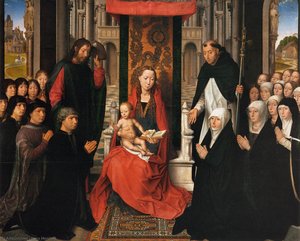
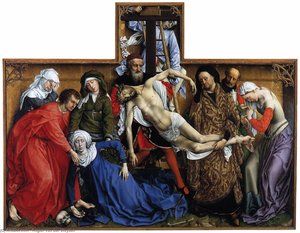
St John Altarpiece (left panel)
Veľkosť reprodukcie
In the quiet, luminous corridors of the Early Netherlandish Renaissance, few moments capture the profound intersection of the human and the divine as exquisitely as Rogier van der Weyden’s St John Altarpiece (left panel). This masterpiece, dating from approximately 1455, serves as a breathtaking window into a sacred narrative, specifically focusing on the birth of Saint John the Baptist. As the viewer gazes upon this panel, they are not merely observing a historical or religious event; they are invited into an intimate, domestic sanctuary where every fold of fabric and every soft shadow whispers of sanctity. The scene is set within a meticulously rendered interior, where the presence of a bed and a simple chair grounds the celestial miracle in a tangible, earthly reality, making the miraculous feel profoundly accessible to the faithful.
The composition is anchored by the tender interaction between the women present, whose medieval attire—richly textured and draped with heavy, sculptural elegance—reflects the artist's unparalleled mastery of form. One woman cradles a newborn with a protective grace, while another stands nearby, her presence adding to the sense of a shared, solemn ceremony. The light in the painting does not merely illuminate; it caresses the skin of the infants and the heavy velvets of the garments, creating a soft, ethereal glow that is characteristic of van der Weyden’s emotive style. This interplay of light and shadow breathes life into the figures, transforming a static religious icon into a living, breathing moment of maternal devotion and spiritual anticipation.
To behold a work by Rogier van der Weyden is to witness the pinnacle of oil painting technique. Having likely trained as a goldsmith, the artist brought an obsessive, reverent attention to detail that revolutionized Northern European art. In this left panel, his ability to render textures—the crispness of linen, the weight of wool, and the delicate smoothness of infant skin—is nothing short of miraculous. This precision serves a higher purpose than mere decoration; it is a vehicle for emotional realism. Unlike the more detached compositions of some of his contemporaries, van der Weyden imbues his subjects with a palpable psychological depth. There is a quiet, contemplative stillness in the room, yet beneath the surface, one can sense the profound weight of the destiny awaiting the child.
For the discerning collector or interior designer, this piece offers more than just historical significance; it provides a focal point of immense character and sophistication. The subtle symbolism embedded within the domestic setting—the clock on the wall marking the passage of mortal time against the eternal nature of the saint's birth—offers layers of intellectual engagement. A high-quality reproduction of this panel brings with it an atmosphere of timelessness and quiet luxury, making it an ideal centerpiece for a space dedicated to reflection, classical elegance, or scholarly pursuit. It is a work that does not shout for attention but commands it through its profound beauty and the silent, powerful storytelling found within its gilded borders.

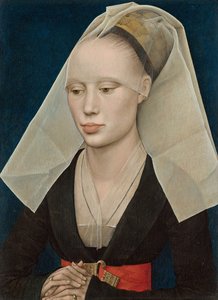
1400 - 1464 , Belgie

Explore 25 iconic John Singer Sargent paintings – from dazzling portraits to Impressionist landscapes. Discover the stories behind Madame X, El Jaleo & more! Find museum-quality art reproductions and elevate your home decor with Most-Famous-Paintings.com.
Ponorte sa do sveta Johna Constabla s Most-Famous-Paintings.sk! Objavte top 25 majstrovských diel anglického romantizmu – od ikonického Hay Wain až po krajinárske motívy Suffolku. Kvalitné reprodukcie obrazov pre váš domov. Preskúmajte celú kolekciu online!

Journey through High Medieval Art! Explore 10 iconic masterpieces – from Giotto's frescoes to stunning Gothic cathedrals. Discover the stories behind these timeless paintings, sculptures & illuminated manuscripts. Find museum-quality art reproductions at Most-Famous-Paintings.com.

Ponorte sa do sveta El Greca s Most-Famous-Paintings.com! Objavte top 25 majstrovských diel španielskeho renesančného maliara – od duchovných náboženských obrazov po ikonické manieristické kompozície. Kúpiť reprodukcie online a inšpirujte sa pre váš interiér.

Journey through 10 defining Late Medieval masterpieces – from Giotto's frescoes to Jan van Eyck’s realism. Explore the stories, techniques & vibrant colors of Gothic art. Find museum-quality reproductions and elevate your home decor with Most-Famous-Paintings.com! Discover all masterpieces on Most-Famous-Paintings.com


Zostaňte v obraze s najnovšími správami zo sveta umenia, exkluzívnymi ponukami a nápormi na dekoráciu.
Povedzte nám o svojom projekte a naši odborníci na umenie vám pripravia 3 personalizované návrhy umeleckých diel.
Nechajte si od nás vybrať 3 možnosti priamo pre vás – zadarmo!


 Náhľad
 Odoslať
 Zdieľať
 Podrobnosti o dielo

 Stiahnuť
 Podobné diela
 RTG skúška
 Prezentácia
 Zobraziť viac







 Možnosť skla je dostupná len pri rozmeroch pod 110 cm