x


 Objednať reprodukciu Kúpiť digitálnu verziu
 Odoslať
 Podrobnosti o dielo
 Pridať do obľúbených
 Stiahnuť
 Podobné diela
 RTG skúška
 Prezentácia
Giclée tlač alebo plátno múzeálnej kvality s rýchlou výrobou a flexibilnými možnosťami povrchovej úpravy.





























Vyberte si z našich preddefinovaných rozmerov, ktoré zodpovedajú pôvodným pomeroḿ diela.

Môžete zadať vlastné rozmery, aby sa reprodukcia prispôsobila konkrétnemu rámu alebo priestoru. Ak zvolená veľkosť nebude zodpovedať proporciám originálu, dielo buď orežeme, alebo obraz rozšírime pomocou zrkadlenia či farebného doplnenia okrajov. Pred začatím výroby vám pošleme digitálnu ukážku na schválenie.
Máte na vedomí, že náhľad na obrazovke neodzrkadľuje skutočné orezanie alebo rozšírenie. Len digitálna ukážka presne zobrazí finálnu kompozíciu.
Hoci sú k dispozícii vlastné rozmery, pre zachovanie pôvodných proporcií odporúčame vybrať si rozmer z vopred definovaného zoznamu.
Celosvetová doprava () do 2 týždňov namiesto štandardných 4/5 týždňov. (22 júl)


rising
Veľkosť reprodukcie
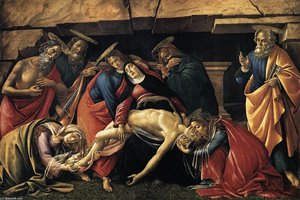
Sandro Botticelli's "Rising," a painting shrouded in the mystery of its original commission and subject, stands as a poignant testament to the complexities of faith, hope, and the human condition during the Florentine Renaissance. While details regarding the precise narrative remain debated – though often linked to the story of the Annunciation or even a symbolic representation of Christ’s resurrection – what is undeniable is the painting's profound emotional resonance and Botticelli’s masterful command of line, color, and classical form. The work, likely created around 1480-1482, exemplifies the artist’s signature style: an elegant blend of Byzantine influence, Neoplatonic philosophy, and a deep appreciation for the beauty of the human figure.
Botticelli's technique is immediately striking. He employs a delicate, almost ethereal quality, achieved through meticulous layering of thin glazes—a hallmark of his approach. The figures are rendered with an exquisite grace, their bodies elongated and flowing, reminiscent of Byzantine icons but imbued with a distinctly Renaissance sensibility. Note the subtle modeling of flesh, the careful attention to drapery, and the way light seems to caress the forms. The background is deliberately hazy, drawing focus entirely onto the central scene and contributing to the overall sense of otherworldly serenity. The use of tempera on panel—a traditional medium for Florentine artists at the time—allowed Botticelli to achieve a luminous quality rarely seen in other media.
The composition itself is rich with symbolic meaning. At the heart of the scene are angels, depicted not as imposing figures of power but rather as gentle guides, carefully lifting Christ from the tomb. Their wings, rendered in delicate brushstrokes, suggest a sense of lightness and ascension. Surrounding the tomb are individuals – some weeping, others gazing upwards in awe or celebration—representing the diverse human responses to this momentous event. The presence of a figure holding a book is particularly intriguing; it’s often interpreted as referencing scripture, emphasizing the theological significance of Christ's resurrection. The arrangement of these figures creates a dynamic interplay between grief and joy, despair and hope, reflecting the multifaceted nature of faith.
Botticelli’s artistic choices also resonate with Neoplatonic philosophy, prevalent during the Renaissance. The painting can be viewed as an allegory for the soul's journey towards enlightenment—the descent into darkness (represented by death) followed by a triumphant ascent to divine light (symbolized by Christ’s resurrection). The figures themselves are not merely representations of biblical characters but embodiments of universal human experiences and aspirations.
“Rising” is inextricably linked to the broader artistic and intellectual landscape of Florence during the High Renaissance. Botticelli’s work, alongside that of Leonardo da Vinci and Michelangelo, helped define the era's aesthetic ideals—a focus on humanism, classical inspiration, and a celebration of beauty. His paintings were commissioned by powerful families like the Medici, who recognized his talent and sought to adorn their palaces with works that reflected their wealth and status. “Rising” itself likely served as a devotional image for a private chapel or a grand hall, intended to inspire contemplation and reinforce religious beliefs.
Botticelli’s legacy endures through the profound impact of his art on subsequent generations of artists. His graceful figures, lyrical compositions, and masterful use of color continue to captivate viewers centuries later. Most-Famous-Paintings's hand-painted reproductions offer a unique opportunity to experience the beauty and emotional depth of “Rising” in stunning detail, preserving Botticelli’s artistic vision for future appreciation.

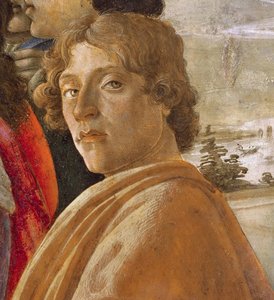
1445 - 1510 , Taliansko
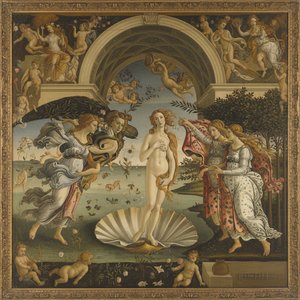
Ponorte sa do sveta Sandro Botticelliho s Most-Famous-Paintings.sk! Objavte top 25 majstrovských diel renesancie – Primavera, Narodenie Venuše a ďalšie ikonické obrazy. Luxusné reprodukcie pre váš interiér. Preskúmajte celú kolekciu online!
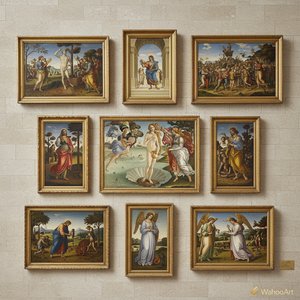
Objavte top 10 majstrovských diel rannej renesancie – Botticelli, Leonardo da Vinci a ďalší. Prežite príbehy umenia, techniky a nadčasnú krásu. Reprodukcie obrazov pre váš domov na Most-Famous-Paintings.com.
Objavte 25 ikonických majstrovských diel z Alte Pinakothek v Mníchove! Prežite príbehy Dürera, Rembrandta a ďalších renesančných a barokových umelcov. Reprodukcie obrazov pre váš domov na Most-Famous-Paintings.com – luxusné dekorácie a múzejná kvalita.

Explore the captivating history of angels in painting! Discover symbolism, iconic Renaissance & Byzantine masterpieces, and renowned artists. Expert insights for art lovers & collectors at Most-Famous-Paintings.

Explore the captivating history of angels in art! Discover symbolism, iconic Renaissance masterpieces & renowned artists. Expert insights for art lovers & collectors at Most-Famous-Paintings.


Zostaňte v obraze s najnovšími správami zo sveta umenia, exkluzívnymi ponukami a nápormi na dekoráciu.
Povedzte nám o svojom projekte a naši odborníci na umenie vám pripravia 3 personalizované návrhy umeleckých diel.
Nechajte si od nás vybrať 3 možnosti priamo pre vás – zadarmo!


 Zdieľať


 Zobraziť viac







 Možnosť skla je dostupná len pri rozmeroch pod 110 cm