x


 Preview
 Objednať reprodukciu Kúpiť digitálnu verziu
 Odoslať
 Podrobnosti o dielo
 Pridať do obľúbených
 Stiahnuť
 Podobné diela
 RTG skúška
 Prezentácia
Giclée tlač alebo plátno múzeálnej kvality s rýchlou výrobou a flexibilnými možnosťami povrchovej úpravy.





























Vyberte si z našich preddefinovaných rozmerov, ktoré zodpovedajú pôvodným pomeroḿ diela.

Môžete zadať vlastné rozmery, aby sa reprodukcia prispôsobila konkrétnemu rámu alebo priestoru. Ak zvolená veľkosť nebude zodpovedať proporciám originálu, dielo buď orežeme, alebo obraz rozšírime pomocou zrkadlenia či farebného doplnenia okrajov. Pred začatím výroby vám pošleme digitálnu ukážku na schválenie.
Máte na vedomí, že náhľad na obrazovke neodzrkadľuje skutočné orezanie alebo rozšírenie. Len digitálna ukážka presne zobrazí finálnu kompozíciu.
Hoci sú k dispozícii vlastné rozmery, pre zachovanie pôvodných proporcií odporúčame vybrať si rozmer z vopred definovaného zoznamu.
Celosvetová doprava () do 2 týždňov namiesto štandardných 4/5 týždňov. (26 júl)


Leith
Veľkosť reprodukcie
Sir John Lavery's "Leith," painted in 1917, is more than just a harbor scene; it’s a poignant snapshot of Britain during the tumultuous years of World War I. This oil-on-canvas work captures not only the bustling industrial activity of the port city but also an underlying sense of somberness and resilience – a feeling deeply embedded within the artwork's muted palette, atmospheric haze, and carefully constructed composition. Lavery, already a celebrated portraitist known for his ability to capture the spirit of Edwardian society, skillfully shifted his focus to document this pivotal moment in British history, offering us a rare glimpse into the realities faced by communities like Leith as they supported the war effort.
The painting’s composition immediately draws the eye towards the expansive water surface, occupying nearly two-thirds of the frame. This dominant element isn't merely decorative; it establishes a sense of depth and movement, mirroring the ceaseless activity within Leith’s harbor. A carefully arranged series of ships – both large vessels and smaller boats – anchors the middle ground, creating a visual pathway that guides the viewer through the scene. The foreground is grounded by machinery and docks, providing a tangible connection to the industrial heart of the port. Lavery's technique is distinctly Impressionistic; he employs loose brushstrokes, layering colors with remarkable subtlety to create soft transitions and an overall atmospheric effect. Visible impasto in certain areas – particularly within the foreground – adds texture and dynamism, hinting at the physicality of the scene while maintaining a sense of ethereal beauty.
The color palette is predominantly cool and muted—grays, blues, and greens dominate, reflecting the overcast skies typical of the era. These somber tones are punctuated by warmer hues in the hulls of the ships and within the foreground machinery, offering subtle points of visual interest and a hint of warmth amidst the prevailing gloom. Lavery masterfully uses light to evoke mood; the diffused illumination suggests a perpetual twilight, mirroring the anxieties and uncertainties of wartime. The high horizon line further enhances this sense of depth and distance, emphasizing the vastness of the water and sky. Beyond its aesthetic qualities, "Leith" subtly symbolizes the nation’s commitment to industry and defense – the ships represent naval power, while the machinery signifies the vital role of Leith in supplying the war effort. The overall effect is one of quiet determination.
Painted during 1917, “Leith” offers a valuable window into Britain’s wartime experience. Sir John Lavery's official war artist status meant he was tasked with documenting various aspects of the conflict, from naval operations to industrial production. This painting reflects his broader efforts to capture the spirit of the times – a period marked by both hardship and unwavering resolve. Lavery’s work during this era is particularly significant as it demonstrates his ability to move beyond traditional portraiture and engage with contemporary social issues. His artistic style, influenced by Whistler and rooted in Scottish Impressionism, allowed him to convey complex emotions and ideas through subtle color choices and atmospheric effects. Reproductions of “Leith” provide a tangible connection to this pivotal moment in British history, allowing us to appreciate Lavery’s skill as both an artist and a keen observer of his time.

1856 - 1941 , Iránsko

Ponorte sa do sveta impresionizmu s top 10 dielami od Monet, Renoir a ďalších majstrov. Objavte príbehy, techniky a farebnú krásu tohto revolučného umenia na Most-Famous-Paintings.com. Reprodukcie obrazov pre váš domov.

Explore the profound emotional depth & innovative techniques of Post-Impressionism with Most-Famous-Paintings. Discover Cézanne, Van Gogh, Gauguin & more – and their lasting impact on modern art.

Ponúkame hĺbkový pohľad na impresionizmus a postimpresionizmus pre náročných zberateľov umenia. Investičné rady, hodnotenie diel a tipy pre budovanie exkluzívnej zbierky.
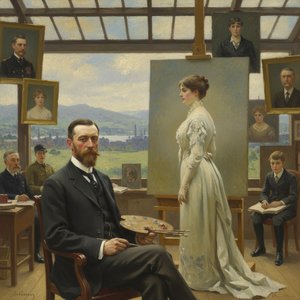
Explore the life & art of Sir John Lavery, a master of Scottish Impressionism and renowned portraitist. Discover his captivating works, Irish heritage, and lasting legacy with Most-Famous-Paintings.

Discover the captivating oil paintings of Peter Graham Li – a contemporary artist celebrated for his masterful use of light, color, and impasto technique. Explore investment potential & curated selections at Most-Famous-Paintings.


Zostaňte v obraze s najnovšími správami zo sveta umenia, exkluzívnymi ponukami a nápormi na dekoráciu.
Povedzte nám o svojom projekte a naši odborníci na umenie vám pripravia 3 personalizované návrhy umeleckých diel.
Nechajte si od nás vybrať 3 možnosti priamo pre vás – zadarmo!


 Zdieľať


 Zobraziť viac







 Možnosť skla je dostupná len pri rozmeroch pod 110 cm