x

Giclée tlač alebo plátno múzeálnej kvality s rýchlou výrobou a flexibilnými možnosťami povrchovej úpravy. ( Kúpiť ručne maľovaný obraz Kúpiť obrázok)





























Vyberte si z našich preddefinovaných rozmerov, ktoré zodpovedajú pôvodným pomeroḿ diela.

Môžete zadať vlastné rozmery, aby sa reprodukcia prispôsobila konkrétnemu rámu alebo priestoru. Ak zvolená veľkosť nebude zodpovedať proporciám originálu, dielo buď orežeme, alebo obraz rozšírime pomocou zrkadlenia či farebného doplnenia okrajov. Pred začatím výroby vám pošleme digitálnu ukážku na schválenie.
Máte na vedomí, že náhľad na obrazovke neodzrkadľuje skutočné orezanie alebo rozšírenie. Len digitálna ukážka presne zobrazí finálnu kompozíciu.
Hoci sú k dispozícii vlastné rozmery, pre zachovanie pôvodných proporcií odporúčame vybrať si rozmer z vopred definovaného zoznamu.
Celosvetová doprava () do 2 týždňov namiesto štandardných 4/5 týždňov. (15 august)


Salome
Veľkosť reprodukcie
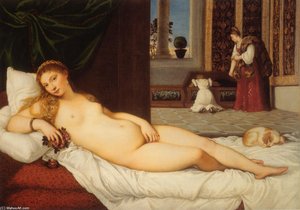
Tiziano Vecellio’s “Salome,” painted in 1515, is more than just a portrait; it's an immersion into the heart of Renaissance Venice – a city pulsating with artistic innovation and a profound fascination with beauty, power, and human emotion. This oil on canvas work, currently residing in the Galleria Doria-Pamphilj in Rome, immediately captivates with its dramatic composition and the palpable sense of melancholy that emanates from the central figure. The painting’s enduring appeal lies not only in Titian's masterful technique but also in its complex narrative – a story whispered through glances, gestures, and the unsettling presence of the decapitated head resting upon Salome’s lap.
To understand “Salome,” one must appreciate the context in which it was created – 16th-century Venice. The city was a crucible of artistic experimentation, fueled by wealth from trade and a fervent patronage system. Titian, as one of the leading artists of his time, benefited immensely from this environment. His work reflects not only his personal genius but also the broader cultural currents of the Renaissance: a renewed interest in classical mythology, a celebration of human beauty, and an exploration of profound psychological themes. The inclusion of the dining table subtly references Venetian aristocratic life, adding another layer to the painting’s narrative.
“Salome” is a profoundly unsettling image, laden with symbolism and emotional weight. The act of decapitation itself is a potent metaphor for violence, betrayal, and the loss of innocence. Salome’s expression – a mixture of sorrow, regret, and perhaps even triumph – invites endless interpretation. The head of John the Baptist, presented as a tangible object, becomes an emblem of power, vulnerability, and ultimately, mortality. The red clothing worn by Salome further intensifies the drama, symbolizing passion, bloodshed, and potentially, divine retribution.
Titian’s “Salome” is not merely a beautiful painting; it's a landmark work that profoundly influenced generations of artists. Its innovative composition, masterful technique, and emotionally charged subject matter established Titian as one of the most important figures in Western art history. The numerous copies made from his workshop underscore the enduring impact of this masterpiece, solidifying its place as a cornerstone of Renaissance art.

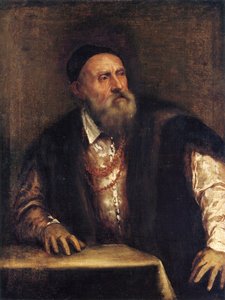
1490 - 1576 , Taliansko

Explore the profound history and technical brilliance of oil on panel painting. From Renaissance masters to modern techniques, discover why this rigid support offers unparalleled precision and permanence for fine art lovers and collectors.

Explore the dramatic world of Italian Baroque art. Discover how masters like Caravaggio used chiaroscuro and tenebrism to revolutionize painting through light, shadow, and profound realism. A definitive guide for history lovers and art collectors.


Zostaňte v obraze s najnovšími správami zo sveta umenia, exkluzívnymi ponukami a nápormi na dekoráciu.
Povedzte nám o svojom projekte a naši odborníci na umenie vám pripravia 3 personalizované návrhy umeleckých diel.
Nechajte si od nás vybrať 3 možnosti priamo pre vás – zadarmo!


 Náhľad
 Odoslať
 Zdieľať
 Podrobnosti o dielo

 Stiahnuť
 Podobné diela
 RTG skúška
 Prezentácia

 Zobraziť viac







 Možnosť skla je dostupná len pri rozmeroch pod 110 cm