


x


 Objednať reprodukciu Kúpiť digitálnu verziu
 Odoslať
 Podrobnosti o dielo
 Pridať do obľúbených
 Stiahnuť
 Podobné diela
 RTG skúška
 Prezentácia
 Acrylic On CanvasWallArtConcrete Art
 1949
1949 72.0 x 53.0 cm
 Centro Cultural Banco do Brasil Rio de Janeiro
Giclée tlač alebo plátno múzeálnej kvality s rýchlou výrobou a flexibilnými možnosťami povrchovej úpravy.





























Vyberte si z našich preddefinovaných rozmerov, ktoré zodpovedajú pôvodným pomeroḿ diela.

Môžete zadať vlastné rozmery, aby sa reprodukcia prispôsobila konkrétnemu rámu alebo priestoru. Ak zvolená veľkosť nebude zodpovedať proporciám originálu, dielo buď orežeme, alebo obraz rozšírime pomocou zrkadlenia či farebného doplnenia okrajov. Pred začatím výroby vám pošleme digitálnu ukážku na schválenie.
Máte na vedomí, že náhľad na obrazovke neodzrkadľuje skutočné orezanie alebo rozšírenie. Len digitálna ukážka presne zobrazí finálnu kompozíciu.
Hoci sú k dispozícii vlastné rozmery, pre zachovanie pôvodných proporcií odporúčame vybrať si rozmer z vopred definovaného zoznamu.
Celosvetová doprava () do 2 týždňov namiesto štandardných 4/5 týždňov. (22 júl)


Sem título
Veľkosť reprodukcie

Waldemar Cordeiro was a significant figure in the Brazilian art scene, recognized as both an influential artist and a compelling art critic. Born in Recife, Brazil, in 1924, he tragically passed away in 1973. His legacy is deeply intertwined with the Concrete Art movement in Latin America, where he played a pivotal role in shaping the artistic landscape of his country.
Cordeiro's career began with an innovative foray into computer art – a groundbreaking pursuit for its time. He was among the first artists to experiment with this emerging medium, establishing himself as a pioneer in the field. His involvement with Grupo Ruptura proved crucial in his artistic development. This group of artists aimed to advance modern art in Brazil and became instrumental in fostering the Concrete Art movement.
Cordeiro’s artistic style is characterized by a distinct use of strong geometric shapes and bold colors. His work reflects a commitment to creating objects that exist independently of representational imagery, aligning with the core principles of Concrete Art. He collaborated with other notable artists like Carlos Alberto Zilio, another prominent figure in Brazilian Concrete Art. Some of his most recognized works are displayed at the Museu de Valores do Banco Central do Brasil in Brasília. His paintings often feature alongside works by Amílcar Augusto Pereira de Castro, known for his contributions to the neo-constructivist movement.
Cordeiro’s dedication to Grupo Ruptura directly contributed to the development of the Concrete Art movement. This movement emphasized creating works that exist as objects rather than representations of reality, prioritizing pure form and geometric abstraction. His theoretical writings significantly shaped the philosophy behind this movement. He was influenced by Max Bill's Concrete Art concepts and Visual Gestalt principles. Cordeiro’s work also reflects a Marxist political perspective, believing art should be accessible to all and rejecting “art for art’s sake.”
Waldemar Cordeiro's legacy continues to resonate within the art world. His contributions to Concrete Art have inspired generations of artists, and his work stands as a testament to innovation and experimentation. Institutions like the Museu de Valores do Banco Central do Brasil and the São Paulo Museum of Modern Art recognize his significant impact. Beyond painting, he was also a landscape designer, creating sculptural gardens and public spaces that disseminated modern architecture and landscaping throughout Brazil. His pioneering use of computers in art, known as Arteonica, further solidified his place as a visionary artist who pushed the boundaries of artistic expression.

1924 - 1973 , Brazil

Objavte top 25 diel Metropolitného múzea umenia v New Yorku! Prežite príbehy Van Gogha, Moneta a ďalších majstrov. Reprodukcie obrazov pre váš interiér – luxusné dekorácie na Most-Famous-Paintings.com.
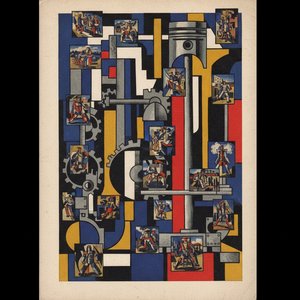
Objavte top 25 diel Fernand Légera – priekopníka kubizmu a tubizmu. Prežite príbeh za ikonickými obrazmi, farebnou kompozíciou a strojovým vekom. Reprodukcie pre váš interiér na Most-Famous-Paintings.com! Preskúmajte celú kolekciu online.
Ponorte sa do sveta Jamesa Abbotta McNeilla Whistlera! Objavte 25 ikonických diel amerického impresionistu – portréty, Nocturnes a farebné harmónie. Kúpiť reprodukcie obrazov pre luxusný interiér na Most-Famous-Paintings.com.
Ponorte sa do sveta Henriho Matissea s našou exkluzívnou kolekciou 25 ikonických diel. Objavte príbehy za fauvizmom, farebnými kompozíciami a moderným umením. Reprodukcie obrazov pre luxusný interiér na Most-Famous-Paintings.com – preskúmajte celý katalóg online!
Objavte top 25 diel Národnej galérie umenia vo Washingtone! Prežite príbehy Cézanna, Matissea a Picassa. Reprodukcie obrazov pre luxusný interiér na Most-Famous-Paintings.com – múzejná kvalita a inšpirácia pre váš domov.


Zostaňte v obraze s najnovšími správami zo sveta umenia, exkluzívnymi ponukami a nápormi na dekoráciu.
Povedzte nám o svojom projekte a naši odborníci na umenie vám pripravia 3 personalizované návrhy umeleckých diel.
Nechajte si od nás vybrať 3 možnosti priamo pre vás – zadarmo!


 Zdieľať

 Zobraziť viac







 Možnosť skla je dostupná len pri rozmeroch pod 110 cm


