


x
 Dutch Golden Age
 1698
1698 75.0 x 63.0 cm
Kupite digitalno sliko visoke ločljivosti z izboljšano kakovostjo, ki je precej boljša od spletnega predogleda.
Vsaka datoteka je pod natančnim nadzorom naših strokovnjakov, ki uporabljajo napredna orodja in strokovno ročno obdelavo. Zagotovimo, da ima vsaka slika izjemno jasnost, natančnost barv in fine podrobnosti.
Končna datoteka je po e-pošti dostavljena v 72 urah, optimizirana za takojšnjo uporabo v profesionalnem, uredniškem in tiskarskem okolju. To je kakovost, ki ji zaupajo vrhunska oblikovalna studia, založniki in galerije.
Prenesite datoteko visoke ločljivosti za osebno uporabo, tiskanje in kreativne projekte. ( Kupi tisk Kupi ročno naslikano sliko)
Ko izberete Most-Famous-Paintings.com, ne prejmete le slike – prejmete digitalno umetniško delo, ki je profesionalno urejeno, izdelano z natančnostostjo in zavestno zagotovljeno z garancijo za zadovoljstvo. Tukaj je vse, kar samodejno prejmete z vašim naročilom:

Vaša digitalna slika visoke ločljivosti bo na vaš e-naslov poslana v roku 72 ur od zaklopa naročila – pripravljena za takojšnjo uporabo.

Vaše umetniško delo je strokovno optimizirano z uporabo naprednih orodij umetne inteligence in ročne obdelave, kar zagotavlja največjo stopnjo podrobnosti, jasnosti in barvne natančnosti.

Ste zaradi nespremietne napake izgubili ali izbrisali svojo datoteko? Ni težav – vam jo bomo ponovno poslali kadar koli in brezplačno.

Uživajte v svojem umetniškem delu takoj, brez carin, davkov ali stroškov dostave – digitalni prenosi so vedno brezdavčni.

Z uporabo profesionalnih orodij in upravljanja barv zagotavljamo, da vaša digitalna slika čim bolj natančno odraža prvotne barve.

Če niste zadovoljni s svojo digitalno sliko, jo bomo uredili ali vam v 60 dneh povrnili 100% denarja – brez kakršnih koli vprašanj.

Niste zadovoljni? Zagovрите popoln povračilo sredstev v 60 dneh po prejemu digitalne datoteke – brez kakršnih koli vprašanj.

Kupite 3 slike, prihranite 10% - Kupite 5 slik, prihranite 15% - Kupite 10+ slik, prihranite 20%. Odlično za kreativne projekte, galerije in agencije.

Thomas Murray, born in Scotland in 1663, emerged during a period of significant artistic transition. While details surrounding his early upbringing remain somewhat elusive, it is known that he initially received instruction from a member of the esteemed De Critz family—a lineage renowned for their limner work and heraldic painting. This foundational training likely instilled in Murray a meticulous attention to detail and an appreciation for refined technique. However, recognizing the burgeoning demand for portraiture, his artistic path soon led him to London and the studio of John Riley, arguably the most successful portraitist of the late 17th century England. Riley’s workshop was a hub of activity, catering to the aristocracy and gentry, and Murray quickly absorbed the prevailing style—a focus on capturing likeness with an emphasis on facial features, often leaving the broader composition and background details to assistants. This division of labor was common at the time, but it shaped Murray's early career trajectory.
Following Riley’s death in 1691, Murray inherited not only his studio space but also a substantial clientele. He rapidly established himself as a prominent portrait painter, becoming highly sought after by noble patrons and individuals of standing. The early years of the 18th century saw him consistently engaged in commissions, painting members of Parliament, military figures, and other influential personalities. His style, while initially derivative of Riley’s, gradually developed its own distinct character—a refined elegance coupled with a remarkable ability to convey personality through subtle nuances of expression. Murray's success wasn’t solely attributable to his artistic skill; he cultivated a reputation for being courteous, diligent, and attentive to the needs of his sitters, fostering strong relationships that secured repeat business and valuable referrals.
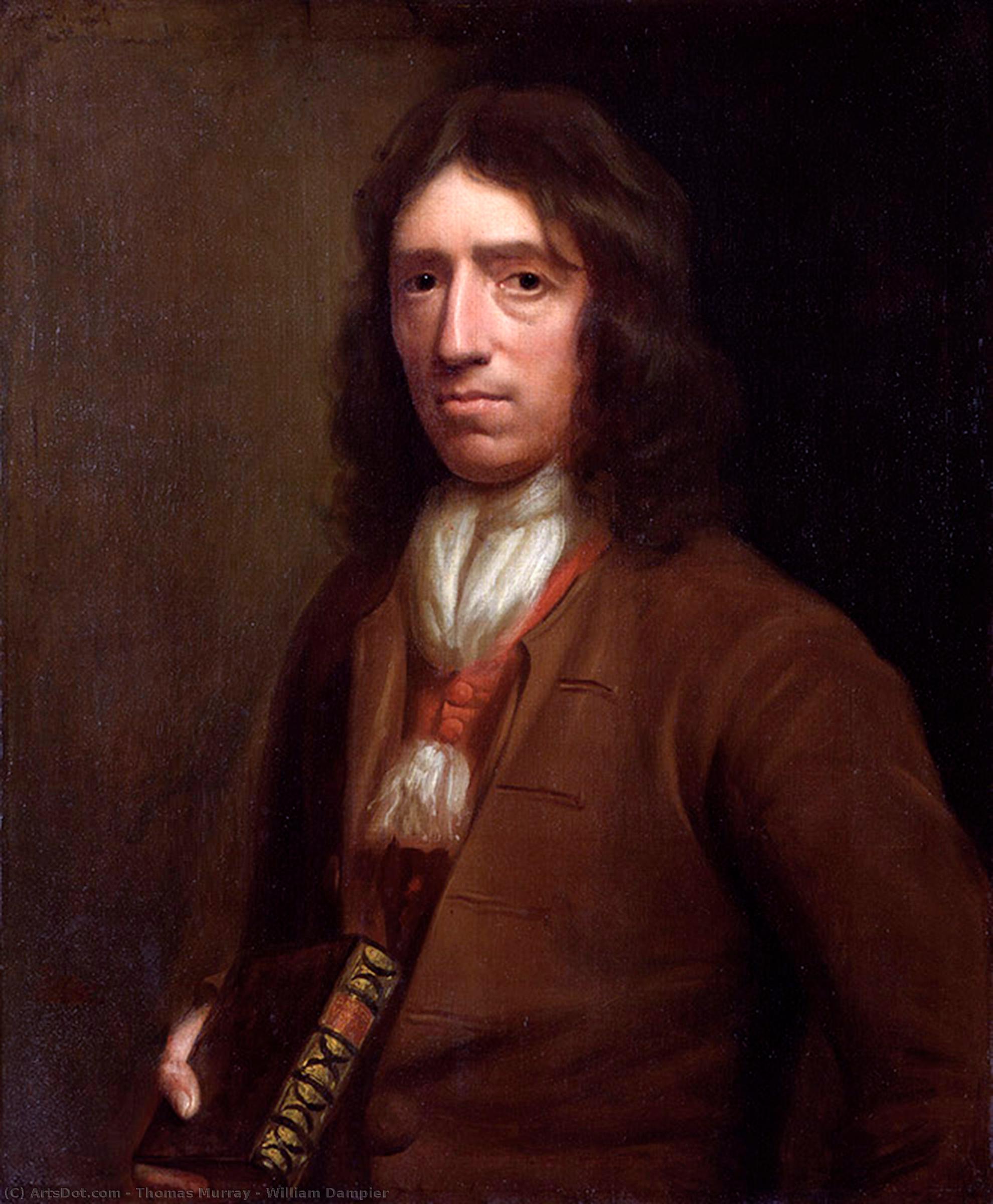
A pivotal moment in Murray’s career arrived in 1703 when he received the prestigious commission to paint Queen Anne for the Society of the Middle Temple. This portrait, a testament to his growing reputation, solidified his position among the leading artists of the day. The work exemplifies his mastery of capturing regal bearing and dignified composure. Beyond this significant royal commission, Murray continued to receive commissions from prominent figures, including William Dampier, the renowned explorer, whose portrait showcases his ability to depict character and experience. He was a prolific artist, producing numerous portraits that now grace both public institutions and private collections.
In 1708, Murray embarked on a journey to Italy, a common practice for aspiring artists seeking inspiration from the Old Masters. During his visit to Florence, he contributed a self-portrait to the esteemed Uffizi Gallery—a gesture that underscored his ambition and desire for recognition within the broader European art world. This portrait, like many of his others, was subsequently engraved, further disseminating his image and style. Despite achieving considerable financial success – it is reported he left £40,000 upon his death in 1734—Murray’s later life was marked by a degree of irony. He had reportedly complained of poverty throughout his career, yet amassed a substantial fortune through shrewd investments alongside his painting practice. His will stipulated the erection of a monument with a bust in Westminster Abbey, but only if it did not prove too costly. Ultimately, his nephew deemed the cost prohibitive and instead buried him in St. Paul’s, Covent Garden, leaving the grand memorial unrealized.
Thomas Murray occupies a fascinating position within the history of British portraiture. He was not an innovator in the same vein as Van Dyck or Reynolds, but he was a highly skilled craftsman who successfully catered to the tastes of his era. His portraits offer valuable insights into the social and political landscape of early 18th-century England, capturing the likenesses of individuals who shaped the nation’s destiny. While often described as a “face painter,” relying on assistants for broader compositional elements, Murray's ability to imbue his sitters with personality and dignity remains undeniable. His work serves as a compelling reminder of the importance of portraiture in documenting history and preserving the memory of those who came before. His contribution lies not in revolutionizing artistic technique but in consistently delivering high-quality portraits that met the demands of a discerning clientele, securing his place as one of Scotland’s most successful portrait painters.

1663 - 1734


Bodite na sešte, s najnovejšimi novicami iz sveta umetnosti, ekskluzivnimi ponudbami in idejami za dekoracijo.
Povejte nam o svojem projektu in naši strokovnjaki za umetnost vam bodo pripravili 3 prilagojene predloge umetniških del.
Naj vam izberemo 3 možnosti – popolnoma brezplačno!


 Predogled
 Pošlji
 Deli
Deli
 Podrobnosti o delu

 Prenesi
 Podobni izdelki
 Rentgenski posnetek
 Predvajaj diaporama
 Razviljaj več


