


x





























从与原作比例一致的预设尺寸中进行选择。

您可以输入自定义尺寸,以适配特定的画框或空间。如果您选择的尺寸与原图比例不符,我们将对作品进行裁剪,或通过镜像填充/纯色填充边缘的方式来扩展图像。在开始制作之前,我们会向您发送一份数字效果图供您确认。
请注意,屏幕上的预览并不能反映实际的裁剪或扩展效果。只有效果图才能准确展示最终的构图。
虽然我们提供定制尺寸,但为了保持原图比例,我们建议您从预设列表中选择尺寸。

untitled (1745)
复制品尺寸
Amedeo Modigliani’s “Untitled (1745)” is not merely a portrait; it’s an exquisitely rendered distillation of melancholy, a visual embodiment of the artist’s own lifelong struggle with illness and unfulfilled longing. Painted in 1924, just months before his untimely death at the age of 35, this oil on canvas offers a profound glimpse into the psyche of a man grappling with beauty, mortality, and the elusive nature of connection. The painting immediately draws the viewer in with its muted palette – predominantly ochres, browns, and deep blues – creating an atmosphere of quiet introspection. Yet, it’s the subject himself, a man of indeterminate age with a pronounced beard and mustache, that commands attention. His gaze is direct, almost challenging, hinting at a hidden depth beneath a carefully constructed facade.
Modigliani's signature style—elongated features, subtly distorted forms—is powerfully evident here. The subject’s face, particularly the nose and chin, are rendered with an unsettlingly stretched quality, a hallmark of his technique that lends the portrait an air of both vulnerability and timelessness. This deliberate distortion wasn’t simply stylistic; it reflected Modigliani's own perception of beauty – a rejection of conventional realism in favor of capturing the essence of a figure through expressive exaggeration. The hands, delicately rendered with a remarkable attention to detail, hold a cigarette, a small emblem of the artist’s life—a symbol of contemplation, perhaps even self-destruction.
To understand “Untitled (1745),” one must consider the artistic landscape of early 20th-century Paris. Modigliani was a key figure in the *École de Paris*, a loosely defined group of artists who rejected academic traditions and embraced experimentation with form, color, and subject matter. He moved to Paris in 1906, immersing himself in the vibrant art scene alongside figures like Picasso, Brâncuși, and Utrillo. His work was profoundly influenced by the Symbolist movement, particularly its exploration of psychological states and emotional intensity. The presence of Nietzsche and Baudelaire in his mother’s library undoubtedly shaped his artistic sensibility, fostering a fascination with themes of alienation, decadence, and the search for meaning.
Furthermore, Modigliani's personal life deeply informed his art. His relationship with Jeanne Hébuterne, a young model and muse, was both passionate and tragically short-lived. She died in 1920, just six months after Modigliani himself succumbed to tuberculosis. The grief and loss associated with this relationship are palpable in many of his portraits, particularly those depicting her—a poignant testament to the fragility of beauty and love. “Untitled (1745)” can be interpreted as a reflection on this enduring sorrow, a quiet meditation on the passage of time and the inevitability of mortality.
The inclusion of the cigarette is particularly significant. In Modigliani’s world, it represented more than just a leisurely pastime; it was often associated with contemplation, artistic creation, and even self-destruction. It speaks to the artist's own struggles with addiction and his tendency towards introspection. The yellow wall behind the subject creates a striking contrast, drawing attention to the figure while simultaneously suggesting a sense of confinement or isolation. The muted colors contribute to the overall mood of quiet sadness and contemplation – a feeling that resonates deeply within the viewer.
Beyond the immediate symbolism, “Untitled (1745)” invites viewers to contemplate the universal themes of loneliness, beauty, and mortality. It’s a portrait not just of a man, but of an experience—a poignant reminder of the complexities of human existence and the enduring power of art to capture the essence of our shared condition. A reproduction of this work offers a chance to bring this evocative image into your home, allowing its melancholic beauty to resonate with you for years to come.
阿梅代奥·克莱门特·莫迪里亚尼,一个与忧郁美和令人心碎的浪漫紧密相连的名字。他并非生来就享有盛名,却以其独特的艺术风格,在20世纪初的艺术画卷中留下了不可磨灭的印记。1884年出生于意大利利沃尔诺,莫迪里亚尼的生命轨迹充满了疾病、贫困与对美的执着追求。他的作品,仿佛是灵魂的低语,以其特有的长颈瓶和空洞的眼眶,触动了无数人的心弦。
幼年时期,利沃尔诺这座充满商业气息的海滨城市,为莫迪里亚尼提供了丰富的文化滋养。尽管家庭后来陷入经济困境,但他的母亲和祖父给予了他广泛的知识灌输,尼采、波德莱尔等思想家对他的艺术理念产生了深远影响。疾病的折磨也伴随了他的整个童年,或许正是这些苦难,赋予了他作品中那种脆弱而敏感的情感基调。1906年,莫迪里亚尼怀揣着对艺术的热情,踏上了前往巴黎的旅程。这座城市是当时欧洲艺术的中心,汇聚了无数才华横溢的艺术家。在这里,他结识了毕加索、布朗丘西等大师,并逐渐形成了自己独特的艺术风格。
最初,莫迪里亚尼受到立体主义的影响,但很快便意识到这种风格过于僵硬,无法表达他内心的情感。他开始探索新的可能性,将非洲雕塑和意大利文艺复兴艺术的元素融入自己的创作中。这种融合催生了他标志性的“长颈瓶”风格:人物形象被拉伸至极度夸张,脖颈细长而优雅,面部表情平静而略带忧伤,仿佛凝固了永恒的瞬间。他的作品摒弃了繁琐的细节,注重捕捉人物内在的精神世界,以简洁的形式表达深刻的情感。
莫迪里亚尼的肖像画是其艺术成就的巅峰之作。他笔下的每一个人物都栩栩如生,仿佛拥有灵魂。他并非简单地复制外貌,而是通过对人物神态和姿势的细致观察,捕捉到他们内心深处的秘密。他的作品充满了同情、理解和爱意,使观者能够感受到人物的情感世界。除了肖像画,莫迪里亚尼还创作了一些裸体作品,这些作品同样具有独特的艺术魅力,展现了他对人体美的深刻理解。
尽管才华横溢,莫迪里亚尼在生前并未获得广泛的认可。他饱受贫困和疾病的折磨,生活并不幸福。与艺术家让娜·赫布特尔恩的爱情也充满了悲剧色彩。1920年,让娜不堪重负,选择了结束自己的生命,而莫迪里亚尼也在几天后因肺结核去世,享年仅35岁。然而,他的艺术却在死后获得了巨大的成功。如今,他的作品被世界各地的博物馆收藏,并以惊人的价格拍卖,成为20世纪最具价值的艺术品之一。
莫迪里亚尼的作品不仅仅是绘画或雕塑,更是对人类灵魂的一次深刻探索。他用长颈瓶般的形象,表达了对生命、爱情和死亡的思考。他的作品充满了忧郁的美感,却又蕴含着希望和力量。莫迪里亚尼是一位伟大的艺术家,他的艺术将永远激励着我们去追求真理、美和爱。

1884 - 1920 , 意大利
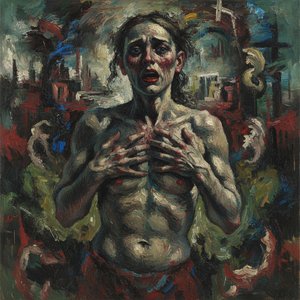
Explore the profound depth of Figurative Expressionism. From Edvard Munch to William H. Johnson, learn how masters use the human form to capture raw emotion through color and distortion in this expert art history guide.

Explore the profound history of Expressionism. From Edvard Munch to Jackson Pollock, discover how artists used distortion and color to convey raw emotion. A definitive guide for art lovers seeking deep historical context and mastery in fine art reproductions.

Explore the profound history of Surrealist Expressionism. Discover how artists blended dream logic with raw emotion to navigate post-war trauma through masterful, evocative imagery and psychological depth.

Explore the dramatic world of Italian Baroque art. Discover how masters like Caravaggio used chiaroscuro and tenebrism to revolutionize painting through light, shadow, and profound realism. A definitive guide for history lovers and art collectors.


第一时间获取最新的艺术新闻、独家优惠及装饰灵感。
向我们介绍您的项目需求,我们的艺术专家将为您提供 3 个个性化的艺术品推荐。
由我们的专家为您精选 3 款心仪之作 —— 完全免费!


 效果预览
效果预览
 购买手绘画作
 分享
分享 分享
分享
 详情
详情

 下载
下载
 相似作品
相似作品 X射线
X射线 幻灯片播放
幻灯片播放
 展开详情
展开详情









 玻璃选项仅适用于110厘米以下的尺寸。


