


x
 Oil On CanvasWallArtDutch Golden Age
 1635Early Modern
 330.0 x 247.0 cm
 国家博物馆 (Rijksmuseum)




























从与原作比例一致的预设尺寸中进行选择。

您可以输入自定义尺寸,以适配特定的画框或空间。如果所选尺寸与原图比例不符,我们将通过裁剪作品或添加手绘元素来扩展画面。数字样稿将在制作开始前发送给您确认。
请注意,屏幕预览无法准确反映实际的裁剪或扩展效果,只有样稿才能真实呈现最终的构图。
虽然我们提供定制尺寸服务,但为了保留原作比例,建议您从预设列表中选择尺寸。

The Poor Painter in His Studio
复制品尺寸
To gaze upon "The Poor Painter in His Studio" is to step across the threshold and into the very heart of artistic endeavor. This scene, steeped in the rich atmosphere of the 17th-century Dutch Golden Age, offers more than just a depiction; it presents an immersion into the soul of creation itself. The composition centers on three figures—the seated artist, the attentive woman, and the small child—all gathered within the tangible clutter of a working studio. It is a tableau vivant that speaks volumes about patronage, family legacy, and the sheer dedication required to master a craft. The air feels thick with turpentine, linseed oil, and unspoken ambition.
Technically, the painting is a breathtaking study in chiaroscuro. The dramatic interplay between deep, velvety shadows and brilliant shafts of illumination is what gives the work its profound visual weight. A single, unseen light source seems to pour in from the left, sculpting the forms of the figures and casting long, eloquent shadows across the floorboards. This masterful use of contrast does not merely illuminate; it dramatizes. The artist’s skill, characteristic of the period's finest realism, allows every texture—from the rough weave of a painter’s smock to the polished gleam of an easel—to emerge with startling clarity against the surrounding gloom.
The subject matter invites deep contemplation. The title itself hints at themes of humble dedication, suggesting that genius is not always heralded by wealth but often nurtured in quiet perseverance. The presence of the child is particularly poignant; it serves as a visual promise—a continuation of the artistic bloodline, a hope for legacy. Meanwhile, the tools scattered about, the half-finished canvases leaning against walls, are silent witnesses to countless hours of labor. These objects transform the studio from mere background into an active participant in the narrative, embodying the struggle and ultimate reward of the creative spirit.
For those seeking art that transcends mere decoration, this reproduction offers a profound emotional anchor. Its rich, dramatic tonality—even when viewed as a grayscale photograph—lends itself to creating an atmosphere of sophisticated contemplation within any interior space. It speaks to the collector who appreciates narrative depth and technical virtuosity. Imagine this piece anchoring a library, a study, or a gallery wall; it does not simply hang there, it breathes life into the room, inviting every passerby to pause and consider the quiet dignity found at the intersection of family life and profound artistic pursuit.

Gerrit Dou (1613-1675), a name perhaps less familiar than Rembrandt’s or Vermeer’s, nevertheless stands as one of the most remarkable and profoundly influential artists of the Dutch Golden Age. Born in Leiden, a city renowned for its artistic vibrancy, Dou’s career unfolded within a period of immense creative ferment, shaped by the legacy of Rembrandt but ultimately forging his own distinctive path – a path characterized by an extraordinary command of illusionism, meticulous detail, and a subtle mastery of light and shadow that continues to captivate viewers today. His life, though relatively short, was marked by both artistic apprenticeship and independent innovation, solidifying his place as a true master of his time.
Gerrit Dou’s early life was deeply intertwined with the burgeoning art scene of Leiden. Born into a family involved in glassmaking – his father, Douwe Jansz de Vries van Arentsvelt, was a glazier – he displayed an early aptitude for visual arts, a passion nurtured by his father's encouragement and later formally recognized through apprenticeships. Initially, he studied under Bartholomeus Dolendo, an engraver, followed by Pieter Couwenhorn, a glass painter, both seeking to hone the skills necessary for creating intricate surfaces. Crucially, in 1628, at just fifteen years old, Dou entered the workshop of Rembrandt van Rijn, then a young and ambitious artist establishing his reputation in Leiden. This formative period proved pivotal; while he absorbed many of Rembrandt’s techniques – particularly his use of chiaroscuro and dramatic lighting – Dou quickly distinguished himself through an exceptional ability to render textures and create convincing illusions.
What truly set Gerrit Dou apart was his extraordinary skill in creating *trompe-l'oeil* – literally “fool the eye” – images. Unlike many artists who relied on straightforward representation, Dou employed a complex layering of techniques to generate an illusion of depth and three-dimensionality on a flat surface. He achieved this through meticulous attention to detail, using subtle variations in color, texture, and light to mimic the appearance of real objects. This wasn’t merely about creating realistic depictions; it was about constructing entirely new visual realities.
Dou’s subject matter reflected the tastes of his time, encompassing portraits, genre scenes depicting everyday life, and meticulously rendered still lifes. However, he approached these subjects with a distinctive sensibility, imbuing them with an air of quiet contemplation and psychological depth. His portraits are not merely likenesses; they capture subtle nuances of character and emotion. Similarly, his still lifes—often featuring humble objects like fruit or household items—are imbued with a sense of atmosphere and narrative, suggesting stories beyond the immediate visual representation.
Despite his considerable talent and the admiration of his contemporaries, Gerrit Dou’s reputation suffered a decline after his death in 1675. His meticulous technique and preference for subtlety were not always appreciated by audiences accustomed to more dramatic or overtly theatrical styles. However, in the late 19th century, a renewed interest in Dutch art led to a reassessment of Dou’s work, revealing its profound artistic merit and innovative techniques. Today, Gerrit Dou is recognized as one of the most important artists of the Dutch Golden Age, a master of illusionism whose subtle yet powerful works continue to fascinate and inspire.
His influence can be seen in later generations of painters, particularly those who explored the possibilities of creating realistic illusions on canvas. Gerrit Dou’s legacy lies not only in his individual masterpieces but also in his pioneering spirit—his willingness to challenge conventional artistic practices and forge a unique path that continues to resonate with viewers centuries after his death.

1613 - 1642 , Netherlands

Explore the profound mastery of light and shadow in Dutch Golden Age painting. From chiaroscuro to atmospheric landscapes, discover the techniques that defined an era and learn how to bring these timeless masterpieces into your home through museum-quality oil reproductions.

Explore the dramatic mastery of the Dutch Baroque era. Discover how masters like Rembrandt used chiaroscuro to transform everyday life into timeless art. An expert guide for collectors and enthusiasts seeking to understand the profound interplay of light and shadow.

Discover the luminous mastery of Dutch Golden Age landscapes. Our expert guide explores the atmospheric realism of masters like Van Goyen and Cuyp. Elevate your space with museum-quality, hand-painted oil reproductions from Most-Famous-Paintings.com. Art history, beautifully realized.
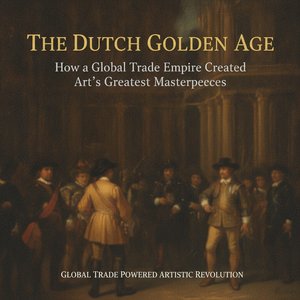
Explore the profound connection between the Dutch Republic's global trade empire and its unparalleled artistic achievements. Discover how 17th-century masters transformed everyday life into timeless masterpieces through light, realism, and unmatched technical brilliance.

Explore the profound mastery of light and shadow in Dutch Golden Age art. From Rembrandt's chiaroscuro to Vermeer's luminosity, discover the techniques that defined an era and learn how to bring these museum-quality masterpieces into your home through expert oil reproductions.


第一时间获取最新的艺术新闻、独家优惠及装饰灵感。
向我们介绍您的项目需求,我们的艺术专家将为您提供 3 个个性化的艺术品推荐。
由我们的专家为您精选 3 款心仪之作 —— 完全免费!


 效果预览
效果预览
 购买印刷品
购买印刷品 分享
分享 分享
分享
 详情
详情

 下载
下载
 相似作品
相似作品 X射线
X射线 幻灯片播放
幻灯片播放 展开详情
展开详情









 玻璃选项仅适用于110厘米以下的尺寸。


