


x































从与原作比例一致的预设尺寸中进行选择。

您可以输入自定义尺寸,以适配特定的画框或空间。如果您选择的尺寸与原图比例不符,我们将对作品进行裁剪,或通过镜像填充/纯色填充边缘的方式来扩展图像。在开始制作之前,我们会向您发送一份数字效果图供您确认。
请注意,屏幕上的预览并不能反映实际的裁剪或扩展效果。只有效果图才能准确展示最终的构图。
虽然我们提供定制尺寸,但为了保持原图比例,我们建议您从预设列表中选择尺寸。

St. Jerome
复制品尺寸
Annibale Carracci's "St. Jerome in the Wilderness," painted around 1597-1600, is not merely a depiction of a biblical figure; it’s a profound exploration of inner turmoil and divine grace rendered with the dynamism and emotional intensity that defined the burgeoning Baroque style. This oil on canvas, currently housed at The Metropolitan Museum of Art in New York, offers a glimpse into the artist's masterful command of color, composition, and psychological depth – qualities that cemented Carracci’s place as a pivotal figure in Italian art history.
The scene unfolds within a stark, almost desolate landscape, dominated by towering rock formations and a bruised, stormy sky. St. Jerome, clad in the simple, earth-toned robes of a hermit, is positioned centrally, his posture conveying both physical exhaustion and an unwavering resolve. His face, etched with lines of hardship and contemplation, bears witness to years of self-imposed penance – a three-year fast undertaken as atonement for past sins. The artist skillfully captures the weight of this struggle through subtle shifts in expression; a furrowed brow, a downward gaze, and the clenched fist gripping a stone, used repeatedly to beat his chest in a desperate attempt to quell overwhelming temptations. Yet, amidst this palpable suffering, there’s an undeniable sense of serenity, a quiet acceptance that speaks volumes about the saint's spiritual journey.
Carracci’s technique is characterized by a remarkable synthesis of influences – a careful balance between the linear precision of Florentine masters like Raphael and the atmospheric richness of Venetian painters such as Titian. The painting's palette is rich and vibrant, utilizing deep blues, ochres, and browns to create a sense of dramatic depth and volume. Notice how Carracci employs *chiaroscuro* – the masterful use of light and shadow – to sculpt Jerome’s form and draw the viewer’s eye directly to his face, emphasizing his inner struggle. The swirling clouds in the background contribute to a feeling of movement and turbulence, mirroring the tempest within the saint's soul.
Furthermore, Carracci breaks from the static compositions favored by earlier Renaissance artists, injecting a sense of dynamism into the scene. Jerome is not presented as an idealized figure; he’s a man wrestling with his demons, caught in a moment of intense emotional and spiritual confrontation. This departure from traditional iconography reflects the Baroque emphasis on realism and psychological truth – a shift away from purely decorative representations towards works that aimed to evoke powerful emotions and engage the viewer on a deeper level.
The painting is laden with symbolic meaning, reflecting the broader religious context of the Counter-Reformation. The desert landscape represents Jerome’s isolation and spiritual wilderness, while the stone he beats his chest upon symbolizes the relentless battle against temptation. The angels ascending above him are not merely celestial messengers; they represent divine grace and the promise of redemption. The red cardinal's robe, visible on Jerome’s shoulders, is a potent symbol of his eventual elevation to the highest rank in the Church – a testament to his unwavering faith and dedication.
Interestingly, the composition echoes elements found in earlier depictions of St. Jerome, particularly those by Hieronymus Bosch, suggesting a shared visual vocabulary rooted in medieval iconography. However, Carracci’s interpretation is markedly more personal and emotionally charged, reflecting the artist's own spiritual struggles and his desire to convey the profound experience of conversion.
"St. Jerome in the Wilderness" stands as a powerful example of Carracci’s artistic genius – a testament to his ability to fuse technical mastery with emotional depth and symbolic richness. It's a painting that invites contemplation, prompting viewers to consider not only the saint’s personal journey but also their own struggles with faith, temptation, and redemption. Reproductions of this work capture much of its original impact, offering a window into the heart of the Baroque era and the enduring power of human spirituality.
安尼巴莱·卡拉奇,1560年11月3日出生于博洛尼亚,出身于一个深耕艺术传统的家庭。他的初步训练很可能在家族工作室这个滋养的环境中展开,为他日后深刻重塑意大利绘画格局的职业生涯奠定了基础。当时的博洛尼亚是一个充满活力、思想和艺术激荡的中心,但它与罗马和威尼斯散发出的主流潮流有些距离。这种地方性特征激发了一群年轻艺术家——安尼巴莱、他的兄弟阿戈斯蒂诺以及表弟路多维科——渴望开辟一条新道路,这条道路将通过借鉴文艺复兴大师的同时,拥抱一种更自然主义的方法来振兴意大利艺术。
1582年,这种雄心在建立*Incaminati学院*中得以实现,最初被称为Desiderosi学院。这不仅仅是一个工作室;它是一个艺术创新的熔炉,一个致力于严格的素描、热烈的辩论和集体追求卓越的空间。学院的名字本身——“进步者”——表明了他们的意图:超越风格复杂的矫饰主义,开辟一条通往更扎实、情感共鸣的表现形式的新途径。Incaminati成为欧洲各地艺术学院的典范,强调以生活观察作为艺术训练的基石。
卡拉奇的艺术愿景并非凭空产生;它通过对过去大师遗产的深入参与而精心打造。他具有综合各种影响的能力,创造出一种既根植于传统又极具原创性的风格。 他钦佩拉斐尔和安德烈亚·索托作品中清晰的线条和构图平衡,力求模仿他们的优雅与和谐。 然而,他也认识到威尼斯画家提香所倡导的色彩和氛围效果的力量,将自己的作品注入充满活力、情感深度的光辉。
科雷乔的影响尤为深刻,体现在卡拉奇的动态构图和幻觉技巧中——尤其是在他的壁画中。 他并非简单地复制这些大师;他是在吸收他们的优点并将它们锻造成新的东西。这种折衷融合成为博洛尼亚学派的标志,是巴洛克艺术的一个重要分支,它强调古典理想与自然主义观察。卡拉奇的天才在于他协调看似不同的元素的能力,创造出一种既具有智力严谨性又充满情感力量的和声整体。
受邀装饰罗马法尔内斯宫标志着安尼巴莱·卡拉奇职业生涯中的一个关键时刻。这项纪念性的委托——一个描绘神话场景的大型壁画周期——为他提供了一个无与伦比的机会来展示他的艺术实力并在宏伟的规模上确立他的声誉。《酒神和阿里阿德涅的胜利》,可以说是他的杰作,是对幻觉技巧、动态构图和鲜艳色彩的惊人展示。 壁画似乎消除了绘画与现实之间的界限,将观众带入一个充满神话壮丽的世界。
除了《胜利》之外,卡拉奇还在法尔内斯宫完成了《诸神的爱情》,进一步探索了神话和爱的 themes,融合了古典理想主义和敏锐的观察力。 这些作品不仅仅是装饰性的;它们是对艺术提升人类精神和庆祝自然世界之美的声明。他在罗马的成功巩固了他作为同时代领先艺术家的地位,吸引了一批委托并影响了几代画家。
安尼巴莱·卡拉奇对艺术史的影响是巨大的。 他在文艺复兴后期和巴洛克时期之间发挥了关键作用,摆脱了矫饰主义的风格复杂性,转向一种更动态、情感化的美学。他强调自然主义——以解剖精确度和心理深度描绘人物——为卡拉瓦乔铺平了道路,卡拉瓦乔将通过其戏剧性的光影效果进一步革新意大利绘画。
由卡拉奇及其同事创立的Incaminati学院成为欧洲各地艺术学院的典范,倡导基于观察和古典原则的艺术训练。他在法尔内斯宫的壁画仍然是巴洛克幻觉主义和艺术壮丽的标志性例子,几个世纪以来继续激励着人们的敬畏和钦佩。卡拉奇家族——安尼巴莱、阿戈斯蒂诺和路多维科——的集体遗产是深刻创新和持久影响的遗产,确立了博洛尼亚作为主要的艺术创作中心。
卡拉奇的作品不仅仅是技术技巧;它是关于传达情感、讲述故事和庆祝人类经验。他力求创造既美丽又有意义的艺术作品,能够激发惊叹并引发思考。他的遗产不仅体现在他宏伟的绘画中,还体现在他倡导的持久原则中:对观察的承诺、对传统的尊重以及对艺术改变世界力量的不懈信念。

1560 - 1609 , 意大利

探索埃尔·格列柯25幅杰作,领略这位西班牙画家巴洛克风格的宗教绘画魅力。从《圣塞巴斯蒂安》到《沉思者》,感受信仰与艺术的交融。Most-Famous-Paintings.com提供高品质油画复制品,为您的家居装饰增添经典之美!探索完整系列作品。
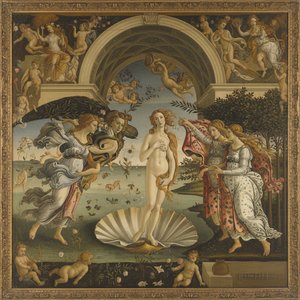
探索波提切利大师的25幅杰作!深入了解《春》、《维纳斯的诞生》等经典文艺复兴绘画作品背后的故事、艺术技巧与文化意义。在Most-Famous-Paintings.com,寻找高品质艺术品复制画,为您的家居空间增添永恒之美。立即探索完整系列!
探索慕尼黑老绘画馆25幅杰作!从文艺复兴到巴洛克,领略卢本斯、伦勃朗等大师的经典油画。了解艺术史背后的故事,在家居装饰中融入永恒之美。Most-Famous-Paintings.com提供博物馆品质的艺术复制品,点亮您的生活空间。
探索丁托列托25幅杰作:深入了解这位威尼斯光影大师的艺术传奇!从宗教绘画到神话故事,感受文艺复兴与巴洛克风格的完美融合。Most-Famous-Paintings.com提供高清艺术复制品和家居装饰灵感,点亮您的生活空间。立即探索完整系列!

Explore the life & art of Annibale Carracci, a pivotal figure bridging Renaissance ideals with Baroque innovation. Discover his masterpieces and lasting influence on Italian painting.


第一时间获取最新的艺术新闻、独家优惠及装饰灵感。
向我们介绍您的项目需求,我们的艺术专家将为您提供 3 个个性化的艺术品推荐。
由我们的专家为您精选 3 款心仪之作 —— 完全免费!


 Preview
 定制手绘复刻品
 分享
分享 分享
分享
 详情
详情

 下载
下载
 相似作品
相似作品 X射线
X射线 幻灯片播放
幻灯片播放


 展开详情
展开详情









 玻璃选项仅适用于110厘米以下的尺寸。


