


x

 Oil On CanvasWallArt
 1670Late Medieval
 187.0 x 134.0 cm
 威廉斯收藏馆




























从与原作比例一致的预设尺寸中进行选择。

您可以输入自定义尺寸,以适配特定的画框或空间。如果您选择的尺寸与原图比例不符,我们将对作品进行裁剪,或通过镜像填充/纯色填充边缘的方式来扩展图像。在开始制作之前,我们会向您发送一份数字效果图供您确认。
请注意,屏幕上的预览并不能反映实际的裁剪或扩展效果。只有效果图才能准确展示最终的构图。
虽然我们提供定制尺寸,但为了保持原图比例,我们建议您从预设列表中选择尺寸。

The Annunciation
复制品尺寸
Bartolomé Esteban Murillo's “The Annunciation,” completed in 1670 and currently residing within the Wallace Collection in London, is more than simply a depiction of a pivotal biblical moment; it’s a profound meditation on grace, humility, and the transformative power of faith. Murillo, born into a family marked by early tragedy in Seville, Spain, possessed an extraordinary ability to imbue his subjects with a palpable sense of humanity—a characteristic that distinguishes his work from the more austere styles prevalent at the time. This particular painting captures a moment of exquisite serenity and spiritual revelation, rendered with the luminous quality for which Murillo would become renowned.
The composition immediately draws the eye to the kneeling young woman, dressed in a vibrant red robe—a color traditionally associated with Mary’s purity and royalty. Her posture is one of profound reverence, her hands clasped together as if in prayer or deep contemplation. Above her, the angel Gabriel, rendered with delicate wings and an expression of gentle authority, extends his hand to present a lily – a potent symbol of innocence, chastity, and divine grace. The lighting within the scene is masterful; Murillo employs chiaroscuro—the dramatic contrast between light and shadow—to sculpt the figures and create a sense of depth, drawing the viewer into this intimate dialogue between heaven and earth.
“The Annunciation” firmly establishes itself within the Baroque artistic tradition. While influenced by earlier masters like Zurbarán and Ribera—particularly in its realistic portrayal of figures and use of tenebrism—Murillo developed a distinctly personal style, characterized by a softer palette, an emphasis on idealized beauty, and a remarkable ability to capture fleeting expressions of emotion. The painting’s background, subtly receding into a hazy blue, contributes to the overall sense of ethereal serenity, while the three cherubs floating above, holding musical instruments, evoke the celestial harmony of the event being depicted. These figures aren't merely decorative; they represent the divine orchestration underpinning the miraculous encounter.
Murillo’s background in Seville profoundly shaped his artistic vision. The city’s rich cultural heritage—its vibrant religious traditions and its connection to the New World trade routes—provided a fertile ground for his creativity. His work often reflects this Andalusian sensibility, imbued with warmth, color, and a deep appreciation for everyday life. This is evident in the careful attention to detail – from the folds of the woman’s robe to the delicate petals of the lily – demonstrating Murillo's meticulous approach to capturing both spiritual and material reality.
Beyond its formal beauty, “The Annunciation” is rich in symbolic meaning. The lily, as mentioned, represents purity and divine grace, while the open book suggests Mary’s receptive state—her willingness to accept God's will. The angel’s gesture signifies not just the announcement of a miraculous event but also an invitation to faith and devotion. Murillo masterfully conveys the emotional impact of this encounter through subtle gestures and expressions: the woman’s serene acceptance, the angel’s gentle authority, and the overall atmosphere of quiet reverence. The painting speaks to the profound mystery of human existence—the intersection of the divine and the earthly—and invites viewers to contemplate their own relationship with faith and grace.
Reproductions of “The Annunciation” by Most-Famous-Paintings offer a remarkable opportunity to experience this masterpiece in exquisite detail, capturing Murillo’s luminous style and profound emotional depth. Whether adorning a grand salon or a more intimate space, this iconic painting continues to inspire awe and contemplation, reminding us of the enduring power of faith and beauty.


1618 - 1682 , 西班牙

探索纽约大都会艺术博物馆25幅传世杰作!从梵高、莫奈到达芬奇,深入了解艺术大师的故事与创作灵感。精美油画复制品,为您的家居带来艺术气息。立即在Most-Famous-Paintings.com发现更多经典作品。
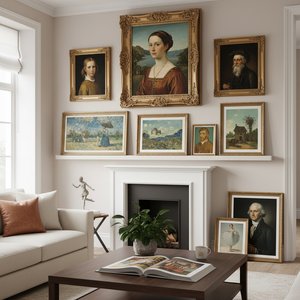
探索美国国家艺术馆的25幅大师级杰作!深入了解塞尚、马蒂斯等艺术家的故事,感受印象派与现代艺术的魅力。Most-Famous-Paintings.com提供高品质油画复制品,点亮您的家居空间。立即在线探索完整系列!
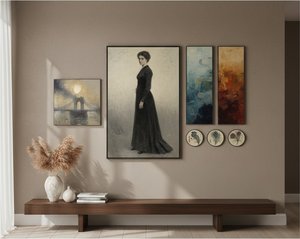
探索詹姆斯·惠斯勒25幅杰作!深入了解夜曲、静谧和谐等经典油画背后的故事与艺术魅力。Most-Famous-Paintings.com提供博物馆级复制品,为您的家居带来永恒之美。立即在线探索完整系列!
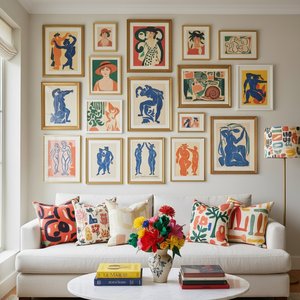
探索亨利·马蒂斯25幅杰作,感受野兽派色彩的魅力!从《舞蹈》到《红色和谐》,揭秘大师背后的故事与艺术灵感。Most-Famous-Paintings.com提供博物馆级高质量油画复制品,为您的家居增添奢华艺术气息。立即在线探索完整系列!
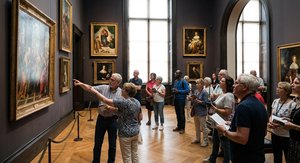
探索慕尼黑老绘画馆25幅杰作!从文艺复兴到巴洛克,领略卢本斯、伦勃朗等大师的经典油画。了解艺术史背后的故事,在家居装饰中融入永恒之美。Most-Famous-Paintings.com提供博物馆品质的艺术复制品,点亮您的生活空间。


第一时间获取最新的艺术新闻、独家优惠及装饰灵感。
向我们介绍您的项目需求,我们的艺术专家将为您提供 3 个个性化的艺术品推荐。
由我们的专家为您精选 3 款心仪之作 —— 完全免费!


 效果预览
效果预览
 切换至手工绘画版
 分享
分享 分享
分享
 详情
详情

 下载
下载
 相似作品
相似作品 X射线
X射线 幻灯片播放
幻灯片播放 展开详情
展开详情









 玻璃选项仅适用于110厘米以下的尺寸。


