


x
博物馆级艺术微喷或帆布版画,制作高效,并提供多种饰面选择。 ( Switch to hand made Painting Switch to Image)
从与原作比例一致的预设尺寸中进行选择。

您可以输入自定义尺寸,以适配特定的画框或空间。如果您选择的尺寸与原图比例不符,我们将对作品进行裁剪,或通过镜像填充/纯色填充边缘的方式来扩展图像。在开始制作之前,我们会向您发送一份数字效果图供您确认。
请注意,屏幕上的预览并不能反映实际的裁剪或扩展效果。只有效果图才能准确展示最终的构图。
虽然我们提供定制尺寸,但为了保持原图比例,我们建议您从预设列表中选择尺寸。

Minerva
复制品尺寸
Benvenuto Cellini's "Minerva," crafted in 1545 during the twilight of the High Renaissance, isn't merely a bronze sculpture; it’s a meticulously constructed embodiment of Roman virtue and strategic intellect. This imposing figure, standing nearly nine feet tall and housed within the hallowed halls of Florence’s Bargello Museum, commands attention not just through its scale but through the profound depth of its symbolism and the sheer virtuosity of Cellini's hand.
Cellini, a polymath renowned as a goldsmith, sculptor, and celebrated author of his own captivating autobiography, infused this work with the spirit of his era – a blend of Mannerist drama, classical ideals, and an undeniable flair for the theatrical. He wasn’t simply replicating a goddess; he was channeling her essence, imbuing the bronze with a palpable sense of power, wisdom, and strategic command. The sculpture represents Minerva, the Roman deity associated with intelligence, justice, and victory in battle – qualities that Cellini himself embodied throughout his extraordinary life.
The creation of "Minerva" is a testament to Cellini’s unparalleled skill as a sculptor. The piece exemplifies the lost-wax casting method, a technique demanding immense patience and precision. First, a wax model was meticulously crafted, capturing every nuance of Minerva's pose – her right arm raised in a gesture of authority, her left hand holding drapery that flows with dynamic grace. This delicate wax form was then encased in layers of clay, creating a robust mold. Once the clay hardened, it was carefully removed, revealing the wax model beneath. Finally, molten bronze was poured into the mold, filling every crevice and contour. Upon cooling, the mold was broken away, leaving behind the solid bronze sculpture.
Crucially, Cellini didn’t rely solely on the inherent beauty of the metal; he masterfully manipulated its surface to create a rich, complex patina – a layer of color achieved through controlled oxidation and polishing. The deep browns, ochres, and hints of reddish-browns aren't merely decorative; they enhance the sculpture’s three-dimensionality, highlighting the textures of the drapery, the musculature of Minerva’s body, and the subtle sheen of the bronze itself. This careful attention to surface detail elevates the work beyond a simple representation, transforming it into a truly immersive experience for the viewer.
Beyond its technical brilliance, "Minerva" is laden with symbolic meaning. The goddess’s posture – her raised arm and commanding gaze – immediately conveys authority and strategic thinking. Her attire, a flowing robe adorned with intricate folds, speaks to both dignity and grace. But it's the details that truly reveal Cellini’s intent. Minerva holds a shield, not of war, but one reflecting the image of the sea, symbolizing her dominion over both land and water – representing wisdom and strategy. The inclusion of marine creatures—horses, fish, and shells—further reinforces this connection to the ocean's depths, suggesting an understanding of hidden knowledge and strategic foresight.
The sculpture’s placement within the Loggia dei Lanzi in Florence is also significant. This open-air gallery, a showcase for Renaissance art, served as a public forum for artistic expression and intellectual debate. By placing "Minerva" here, Cellini sought to engage viewers in a contemplation of virtue, intellect, and the complexities of leadership – qualities that resonated deeply with the Florentine elite of his time.
“Minerva” stands as a pivotal work in Benvenuto Cellini’s oeuvre and a landmark achievement in Renaissance sculpture. It exemplifies the artist's mastery of technique, his profound understanding of symbolism, and his ability to capture the essence of classical ideals within a distinctly Mannerist style. More than just a beautiful object, it is a window into the mind of a remarkable artist – a testament to the enduring power of art to inspire, provoke thought, and transcend time.
本venuto 切利尼(1500-1571)是意大利文艺复兴时期一位令人叹为观止的人物,他不仅是一位技艺精湛的金匠和雕塑家,更是一位充满传奇色彩的艺术家。他的多才多艺与奔放个性在他的自传中得到了生动展现,这部自传本身就是一部重要的文学作品,与他的艺术成就相媲美。切利尼完美地体现了曼涅里主义精神——一种紧随文艺复兴鼎盛时期而来的风格,以其戏剧化的张力和复杂的表现手法为特征。
切利尼出生于佛罗伦萨一个充满音乐氛围的家庭,他的父亲是一位音乐家和乐器制造者。最初,他展现出对音乐的天赋,但15岁时,他对金匠事业产生了强烈的热情,说服了他起初并不情愿的父亲将他作为学徒介绍给安东尼奥·迪·桑德罗(Marcone)。这标志着他正式艺术生涯的开始。早年的经历并非一帆风顺;16岁时,他卷入了一场与同伴之间的冲突,导致被佛罗伦萨驱逐,并前往锡耶纳在金匠弗拉卡斯托罗门下工作。
切利尼的作品以其精湛的工艺、大胆的设计和对细节的关注而闻名。他从古典古代汲取灵感,并深受米开朗基罗雕塑的影响,但他的作品也融入了独特的曼涅里主义特征——细长的形体、夸张的姿态以及一种戏剧性的表现力。
切利尼的生活远远超出了工坊的范围。他曾作为一名士兵参加围攻战役,声称在保卫罗马对抗帝国军队中发挥了关键作用。他还是一位才华横溢的音乐家,曾在教皇宫廷演奏短号和长笛。然而,真正使他脱颖而出的却是他的自传。
他的自传不仅仅是对事件的回顾;它是一份精心构建的自我肖像,旨在展示他的才华并证明其行为的正当性。尽管有时由于切利尼自身的偏见而不可靠,但它仍然是理解文艺复兴生活的重要一手资料。
本venuto 切利尼于1571年去世于佛罗伦萨,留下了一位意大利文艺复兴时期最重要的艺术家之一的遗产。他的技术技巧、艺术创新和引人入胜的自传继续激励着艺术家和艺术爱好者。他代表了文艺复兴理想——一位精通多门学科、充满雄心壮志且敢于表达个性的全才。他的作品因其美丽、工艺和戏剧性力量而备受赞誉,巩固了他作为西方艺术史上举足轻重的人物地位。

1500 - 1571 , 意大利

Explore the life & art of Benvenuto Cellini, Renaissance goldsmith & sculptor. Discover his iconic 'Perseus,' masterful techniques, and enduring legacy – a collector's essential guide.
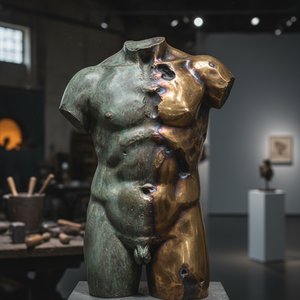
探索青铜雕塑的千年魅力,本文由资深艺术史学者撰写,深入解析古代铸造技术与现代收藏价值。为高端藏家提供专业鉴定、保养指南和投资建议,让您在信任与品质中发现珍贵艺术品。

Explore the rich history & enduring appeal of bronze sculpture with expert insights for collectors at Most-Famous-Paintings. Learn about casting techniques, iconic artists, and collecting tips to build a discerning art collection.

Journey through art history with 10 legendary bronze sculptures – from Michelangelo's David to Rodin’s Thinker. Explore the stories, techniques & timeless beauty of these masterpieces. Find museum-quality reproductions & elevate your home decor on Most-Famous-Paintings.com.

Journey through art history with our Top 10 bronze sculptures! Explore masterpieces by Rodin, Michelangelo & more. Discover stories behind iconic statues and find museum-quality reproductions for your home decor at Most-Famous-Paintings.com.


第一时间获取最新的艺术新闻、独家优惠及装饰灵感。
向我们介绍您的项目需求,我们的艺术专家将为您提供 3 个个性化的艺术品推荐。
由我们的专家为您精选 3 款心仪之作 —— 完全免费!


 分享
分享 分享
分享
 详情
详情

 下载
下载
 相似作品
相似作品 幻灯片播放
幻灯片播放


 展开详情
展开详情






































 玻璃选项仅适用于110厘米以下的尺寸。


