


x
 PaintingContemporary Realism
 2005Contemporary
 190.0 x 300.0 cm
 Culturgest - Fundação Caixa Geral de Depósitos




























从与原作比例一致的预设尺寸中进行选择。

您可以输入自定义尺寸,以适配特定的画框或空间。如果您选择的尺寸与原图比例不符,我们将对作品进行裁剪,或通过镜像填充/纯色填充边缘的方式来扩展图像。在开始制作之前,我们会向您发送一份数字效果图供您确认。
请注意,屏幕上的预览并不能反映实际的裁剪或扩展效果。只有效果图才能准确展示最终的构图。
虽然我们提供定制尺寸,但为了保持原图比例,我们建议您从预设列表中选择尺寸。

Happy hour #2
复制品尺寸
In the vast, vibrant expanse of Bruno Pacheco’s Happy hour #2, the viewer is not merely an observer but a guest invited into a sprawling, kaleidoscopic celebration. This monumental work, measuring an imposing 190 x 300 cm, functions as a profound meditation on the intersection of modern photography and the classical tradition of group portraiture. At first glance, the eye is met with a jubilant assembly of at least fourteen clowns, their faces adorned with intricate makeup and their bodies draped in a diverse array of costumes that range from the whimsical to the melancholic. Yet, beneath this surface-level festivity lies a complex dialogue about how we capture moments of collective joy and the heavy weight of history that often accompanies them.
Pacheco’s technique is a masterful exercise in transformation. He takes the ephemeral, often undifferentiated nature of a group photograph—a medium designed to freeze a fleeting second for the sake of memory—and subjects it to the slow, deliberate, and laborious process of painting. By translating the "snapshot" logic into the monumental scale of fine art, he elevates a casual gathering into something iconic. The brushwork captures every minute detail, from the subtle textures of fabric to the expressive, sometimes haunting, eyes of the performers. This transition from the digital or photographic lens to the tactile reality of paint imbues each figure with a sense of permanence and weight that a mere photograph could never achieve.
The historical resonance of this piece is deeply rooted in the evolution of the group portrait. Pacheco draws an invisible but palpable line from the legendary 17th-century masterpieces, such as Rembrandt’s The Night Watch or Velázquez’s The Maids of Honour, to the contemporary era of mass media. While classical group portraits were often commissioned to solidify social status, political power, or familial lineage, Pacheco utilizes the "group portrait" to explore a more democratic, almost chaotic, sense of community. He deconstructs the traditional hierarchy of painting, replacing the solemnity of the elite with the vibrant, unpredictable energy of the circus and the street, thereby questioning what truly deserves the immortality of the canvas.
For the discerning collector or interior designer, Happy hour #2 offers an unparalleled emotional and aesthetic impact. The sheer scale of the work makes it a commanding centerpiece, capable of anchoring a room with its rich palette and narrative depth. It is a piece that invites endless re-examination; one moment it evokes the laughter of a carnival, and the next, a poignant sense of "happiness after mourning." This duality makes it an ideal acquisition for those seeking art that transcends simple decoration to become a profound conversation starter—a work that brings both the theatricality of the stage and the contemplative stillness of a museum into the private sanctuary of a home.
Marina Abramović’s work isn't simply about performance; it’s a profound interrogation of the body, its limits, and its capacity for both exquisite vulnerability and fierce resistance. Born in Belgrade, Yugoslavia – now Serbia – in 1946, her journey as an artist began not with paintbrushes but with a radical exploration of the self through physical action. Raised within a family steeped in partisan history and communist ideology, Abramović’s early life provided fertile ground for questioning established norms and challenging societal expectations. This foundational context profoundly shaped her artistic trajectory, driving her to push boundaries and confront audiences with uncomfortable truths about human experience.
Her initial training at the Academy of Fine Arts in Belgrade and Zagreb laid a technical base, but it was the burgeoning performance art scene of the 1970s that truly ignited her creative fire. Rejecting traditional artistic conventions, Abramović embraced a visceral approach, utilizing her own body as the primary instrument – a tool for endurance, provocation, and ultimately, spiritual exploration. Early works like *Rhythm 0* (1974), performed in a stark white room, exemplify this commitment. For six hours, she remained motionless, subjected to the unpredictable actions of a diverse audience who were invited to interact with her through a carefully curated selection of objects – from roses and honey to whips and knives. This piece wasn’t merely about physical pain; it was an exploration of trust, vulnerability, and the shifting dynamics between performer and observer.
A pivotal moment in Abramović's career arrived with her collaboration with Frank Uwe Laysiepen, known as Ulay. Their relationship, both romantic and artistic, spanned from 1976 to 1988 and produced some of her most iconic works. *Imponderabilia* (1977), a performance in Venice’s Galleria dell'Arte Antica, remains a hauntingly powerful example of their shared vision. The pair stood naked facing each other in the narrow entrance, forcing viewers to physically confront them – and, by extension, their own desires and inhibitions. This piece shattered the traditional gallery space, transforming it into a site of intense psychological engagement.
Their subsequent travels across continents culminated in *Nightsea Crossing* (1981–87), an ambitious project involving over 200 performances in more than a dozen locations worldwide. For extended periods, Abramović and Ulay meditated silently together, creating a shared space of intense concentration and vulnerability. This work demonstrated the power of sustained presence and the profound connection between two bodies engaged in a collective journey.
Following the dissolution of her partnership with Ulay, Abramović continued to push the boundaries of performance art, often incorporating elements of endurance and spectacle. *Balkan Baroque* (1997), presented at the Venice Biennale, was a deeply personal exploration of her family history and cultural identity. The work combined video projections, live performances, and ritualistic gestures, creating a multi-layered experience that confronted viewers with the complexities of her heritage.
Perhaps her most widely recognized achievement is *The Artist Is Present* (2010), performed at the MoMA in New York City. For eight hours each day over a period of three months, Abramović sat silently in a chair, offering audiences the opportunity to sit opposite her and simply gaze into her eyes. This simple act generated an unprecedented level of engagement, prompting reflection on the nature of presence, connection, and the role of the audience in shaping artistic experience. The event was documented in a critically acclaimed book and film, solidifying Abramović’s position as a leading figure in contemporary art.
Marina Abramović's influence extends far beyond the realm of performance art. Her work has profoundly impacted artists working across various disciplines, including installation, video, and digital media. She is often credited with pioneering “body art” and “endurance art,” terms that have become synonymous with her approach to creating challenging and thought-provoking experiences. Her willingness to expose herself physically and emotionally – to confront pain, vulnerability, and the limits of the human body – has served as a powerful catalyst for artists seeking to explore the intersection of art, identity, and social commentary.
Furthermore, her founding of the Marina Abramović Institute (MAI) in 2007 demonstrates her commitment to preserving and promoting performance art. The MAI serves as a research center, archive, and platform for artists worldwide, ensuring that Abramović’s legacy continues to inspire and challenge future generations.

1974 - , Portugal

Explore the exquisite costume studies of Albert Kretschmer (1825-1891). Discover his detailed illustrations, influence on art history & connection to early Expressionism. Learn about collecting this remarkable artist's work.

Transform your living room with iconic art! Explore our guide to the Top 10 most famous paintings – from Van Gogh's Starry Night to Mona Lisa. Discover artist stories, techniques & find museum-quality reproductions for timeless decor. Explore the full collection on

Discover how live-painted wedding art elevates luxury celebrations. Learn to integrate bespoke fine art into your event design to create timeless, hand-painted heirlooms that captivate guests and transform fleeting moments into lasting masterpieces.
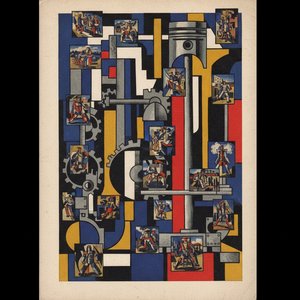
探索费尔南·莱热25幅经典杰作!深入了解这位立体主义大师的管形主义风格、机械美学与色彩构成。Most-Famous-Paintings提供高清艺术复制品,为您的家居带来现代艺术气息。立即发现更多名画,打造专属艺术空间!

Journey through the vibrant world of Marianne North’s botanical paintings! Explore 25 iconic artworks from this Victorian artist, celebrating exotic flora & travel. Find museum-quality reproductions and curated decor ideas at Most-Famous-Paintings.com.


第一时间获取最新的艺术新闻、独家优惠及装饰灵感。
向我们介绍您的项目需求,我们的艺术专家将为您提供 3 个个性化的艺术品推荐。
由我们的专家为您精选 3 款心仪之作 —— 完全免费!


 效果预览
效果预览
 购买手绘画作
 分享
分享 分享
分享
 详情
详情

 下载
下载
 相似作品
相似作品 X射线
X射线 幻灯片播放
幻灯片播放 展开详情
展开详情









 玻璃选项仅适用于110厘米以下的尺寸。


