x
从与原作比例一致的预设尺寸中进行选择。

您可以输入自定义尺寸,以适配特定的画框或空间。如果您选择的尺寸与原图比例不符,我们将对作品进行裁剪,或通过镜像填充/纯色填充边缘的方式来扩展图像。在开始制作之前,我们会向您发送一份数字效果图供您确认。
请注意,屏幕上的预览并不能反映实际的裁剪或扩展效果。只有效果图才能准确展示最终的构图。
虽然我们提供定制尺寸,但为了保持原图比例,我们建议您从预设列表中选择尺寸。

Clematis
复制品尺寸

奥斯卡·克劳德·莫奈,一个与印象主义紧密相连的名字,不仅仅是一位风景画家;他更是一位捕捉瞬间的记录者,色彩与光线的诗人。1840年11月14日出生于巴黎,他的早期生活在五岁时经历了一次意想不到的转折,全家搬到了诺曼底的勒阿弗尔。最初,他的父亲希望他从事商业事业,但年轻的克劳德天生的艺术天赋很快显现出来,首先体现在出售当地的炭笔漫画——这既证明了他的技能,也展现了他创业精神。然而,与欧仁·布代因相遇是他人生中的一个关键转折点。布代因不仅教给了莫奈如何绘画,更在他心中种下了革命性的想法:直接从自然中进行绘画(en plein air)——这种做法将定义他艺术生涯的始终。
莫奈在巴黎开始了正规的训练,最初在瑞士学院短暂学习,后来师从夏尔·格莱尔。在这里,他与奥古斯特·雷诺阿等同伴艺术家建立了深厚的友谊,他们的纽带建立在共同的艺术挫折感和摆脱传统学术绘画束缚的愿望之上。尽管早期的作品展现了技术上的熟练程度,但缺乏很快将定义其风格的独特声音。随后经历了一段动荡时期——普法战争迫使莫奈寻求庇护于伦敦,在那里他沉浸在J.M.W.特纳等英国风景大师的作品中,汲取他们的氛围效果和创新的色彩运用。
返回法国后,莫奈成为一个新兴艺术叛乱中的核心人物。对沙龙保守标准不满意,他与志同道合的其他艺术家联手组织独立展览。1874年的展览对于莫奈和整个艺术界来说都是一个分水岭。在这里,他的画作《印象·日出》(Impression, soleil levant)展出了,这一幕不仅标志着莫奈的崛起,也改变了整个艺术世界。“印象主义”这个带有嘲讽意味的名称由此而来,但最终成为了这场运动的一个象征——一场旨在捕捉场景的主观*印象*,而非其精确再现的运动。
莫奈的标志性风格在这个时期蓬勃发展:松散、可见的笔触,鲜艳且通常不混合的色彩并列应用(一种被称为“碎色”的技术),以及对捕捉光线瞬息万变特性的坚定关注。他孜孜不倦地追求en plein air实践,迅速工作以记录他的直接感知,在条件发生变化之前。这种奉献不仅仅是描绘他所*见*的东西,而是要记录他对它的*感受*——这与艺术惯例的彻底决裂。
1883年,莫奈定居在巴黎西北部的吉维尼,建立了一个家和花园,这个家和花园将成为他最大的灵感来源。他精心将这处房产改造成一个华丽的天堂,那里有异国情调的花卉、垂柳,最著名的还有一座横跨水池的日本桥。这不仅仅是一个装饰性的花园;它还是一个活生生的实验室,莫奈可以在受控条件下研究光线对水、树叶和反射的影响。
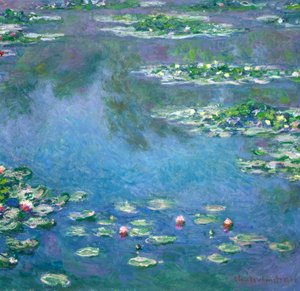
他生命的最后几十年几乎完全献给了绘画吉维尼的水池莲花。他开始了宏伟的睡莲系列(Nymphéas),创作了巨大的画布,描绘了池塘表面的色彩与光线不断变化的挂毯。这些不仅仅是关于花卉的画作;它们是沉浸式的体验,旨在将观众置于一个宁静的美丽和沉思静止的世界中。这些作品的规模令人叹为观止,突破了传统绘画的界限,并预示着抽象表现主义。
克劳德·莫奈对艺术史的影响是不可估量的。他不仅仅是印象派的创始人;他从根本上改变了艺术家们感知和描绘周围世界的方式。他对主观体验的强调,他对en plein air绘画的拥抱以及他的创新技术为现代艺术探索抽象形式和非表现形式铺平了道路。
莫奈在其有生之年获得了相当大的商业成功——这在那个时代的先锋艺术家中是罕见的。他的作品继续在全球范围内激发敬畏并吸引观众,巩固了他作为西方艺术中最重要人物之一的地位。他于1926年12月5日去世,留下了一份世代的艺术家和艺术爱好者都为之着迷的遗产。巴黎奥赛博物馆和马莫坦·莫奈博物馆等著名机构收藏了他的杰作,确保他的视野继续照亮世界。
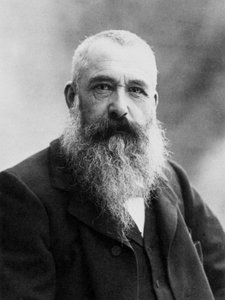
1840 - 1926 , 法国

Explore the revolutionary history of Impressionism and the luminous legacy of Claude Monet. Discover how his mastery of light and color redefined modern art through an expert-led journey into the heart of 19th-century France.

Explore the revolutionary vision of Claude Monet. Discover how his iconic series, from Haystacks to Water Lilies, captured the fleeting essence of light and transformed art history forever. An in-depth guide for art historians and collectors.


第一时间获取最新的艺术新闻、独家优惠及装饰灵感。
向我们介绍您的项目需求,我们的艺术专家将为您提供 3 个个性化的艺术品推荐。
由我们的专家为您精选 3 款心仪之作 —— 完全免费!


 效果预览
效果预览
 切换至手工绘画版
 分享
分享 分享
分享
 详情
详情

 下载
下载
 相似作品
相似作品 X射线
X射线 幻灯片播放
幻灯片播放

 展开详情
展开详情






































 玻璃选项仅适用于110厘米以下的尺寸。