x
 DigitalDigitalPop Art
 2008
2008 84.0 x 80.0 cm
 Математи: Арабський музей сучасного мистецтва
从与原作比例一致的预设尺寸中进行选择。

您可以输入自定义尺寸,以适配特定的画框或空间。如果所选尺寸与原图比例不符,我们将通过裁剪作品或添加手绘元素来扩展画面。数字样稿将在制作开始前发送给您确认。
请注意,屏幕预览无法准确反映实际的裁剪或扩展效果,只有样稿才能真实呈现最终的构图。
虽然我们提供定制尺寸服务,但为了保留原作比例,建议您从预设列表中选择尺寸。

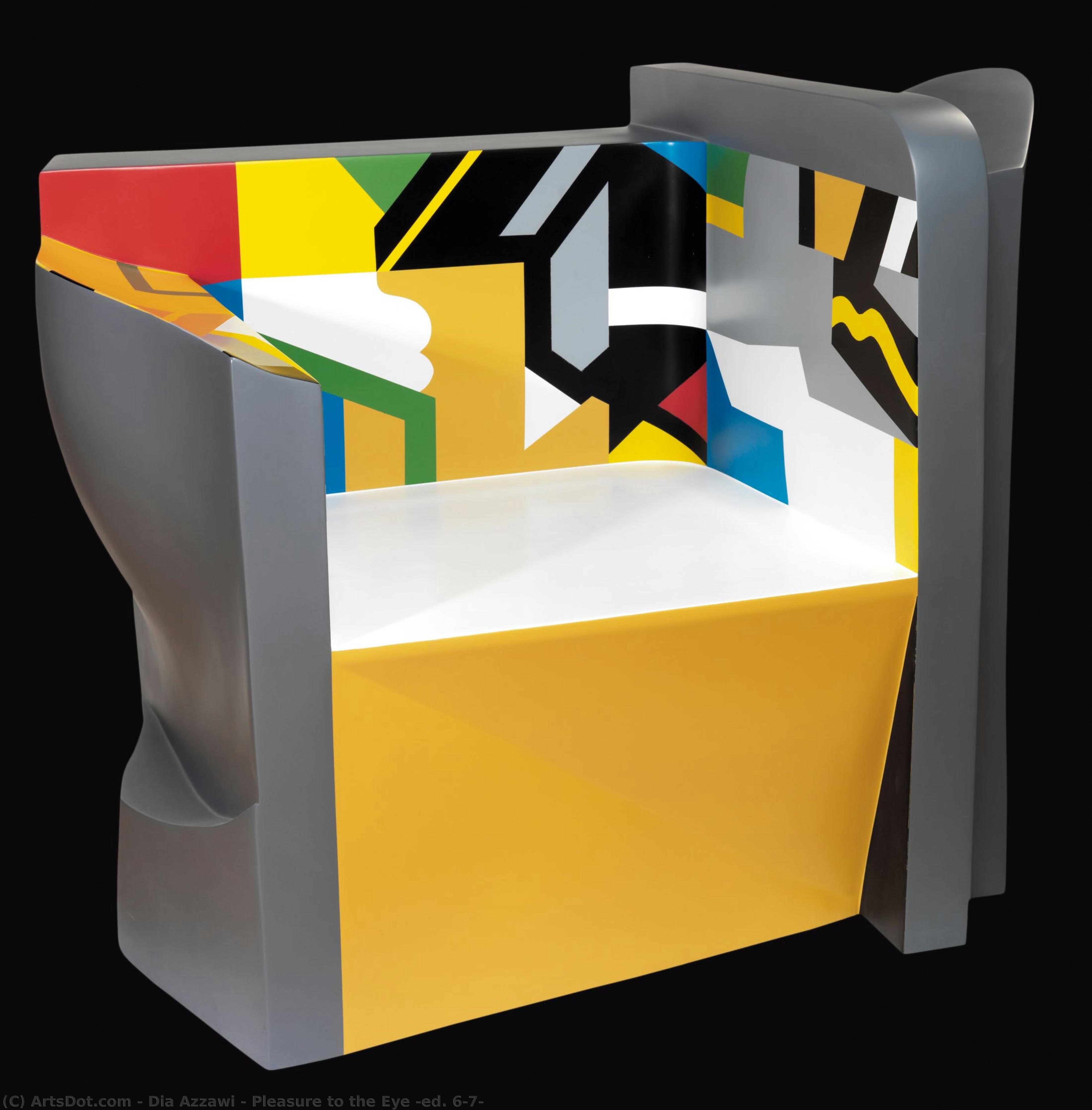
Pleasure to the Eye (ed. 6/7)
复制品尺寸
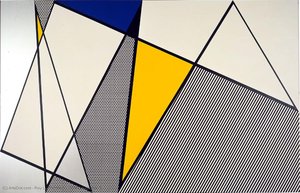
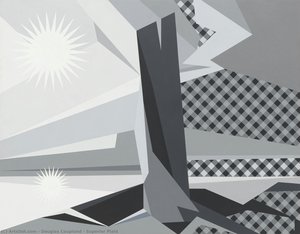
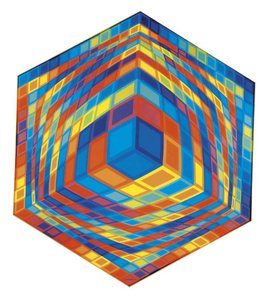
Dia al-Azzawi's "Pleasure to the Eye," created in 2008, isn’t merely a depiction of a file folder; it’s an arresting meditation on information overload and the fragmented nature of modern experience. This digital painting, rendered in bold geometric shapes and a striking color palette, immediately commands attention with its dynamic composition – a seemingly chaotic arrangement that belies a carefully considered structure. The artwork's power lies not in realistic representation but in its evocative abstraction, inviting viewers to contemplate the visual language of data and the complexities of contemporary life.
The piece’s foundation is undeniably Pop Art, drawing influence from artists like Andy Warhol with its embrace of vibrant color blocking and simplified forms. However, al-Azzawi elevates this style through a distinctly geometric sensibility, reminiscent of Constructivism and Minimalism. The dominant shapes – squares, rectangles, and triangles – are meticulously placed, creating a sense of controlled chaos that mirrors the overwhelming flow of information in our digital age. The stark black background serves to amplify these colors, pushing them forward and emphasizing their sharp edges, contributing to an overall feeling of intensity.
Understanding “Pleasure to the Eye” requires acknowledging Dia al-Azzawi's profound connection to his Iraqi heritage. Born in Baghdad in 1939, al-Azzawi’s life and work are inextricably linked to the turbulent history of his homeland – a nation grappling with political upheaval, cultural shifts, and the echoes of ancient civilizations. His early exposure to Mesopotamian ruins and Arabic calligraphy instilled within him a deep appreciation for symbolism and narrative, elements that permeate his entire oeuvre. As documented in biographical accounts, al-Azzawi’s artistic journey was shaped by experiences witnessing war and conflict, leading him to use art as a voice for the silenced – a mission powerfully reflected in this work.
His involvement with groups like the New Vision movement, founded in 1968, further solidified his commitment to challenging conventional artistic norms. This group sought to fuse traditional Arab aesthetics with contemporary expression, reflecting a desire to preserve cultural identity while embracing innovation. Al-Azzawi’s work embodies this spirit, blending geometric abstraction with references to Iraqi folklore and history – subtly hinting at the rich tapestry of his cultural roots.
The deliberate use of form is central to the artwork's impact. The file folder itself, a ubiquitous symbol of organization and information management, is deconstructed into its fundamental geometric components. This fragmentation suggests not just the act of storing data but also the process of breaking down complex ideas into digestible fragments – a metaphor for the way we navigate the digital world. The bold color palette—a vibrant mix of yellows, blues, reds, and greens—adds to this sense of dynamism and energy. These colors aren’t merely decorative; they evoke associations with communication, technology, and perhaps even the intensity of human emotion.
Furthermore, the angular lines that define the folder's surfaces contribute to a feeling of tension and movement. They suggest a relentless flow of information, mirroring the constant stream of data we encounter daily. While overtly abstract, “Pleasure to the Eye” invites viewers to interpret its symbolism – prompting questions about the nature of knowledge, the challenges of communication, and the impact of technology on our perception of reality.
Created in 2008, “Pleasure to the Eye” possesses a remarkable prescience. In an era defined by ubiquitous digital devices and constant connectivity, al-Azzawi's exploration of information overload feels strikingly relevant today. The artwork serves as a potent reminder of the potential for sensory overload and the importance of mindful engagement with the world around us. Its bold aesthetic and layered symbolism continue to resonate with viewers seeking to understand the complexities of contemporary life – making it a compelling piece for collectors, interior designers, and anyone interested in the intersection of art, technology, and culture.


1939 - , 伊拉克

探索纽约大都会艺术博物馆25幅传世杰作!从梵高、莫奈到达芬奇,深入了解艺术大师的故事与创作灵感。精美油画复制品,为您的家居带来艺术气息。立即在Most-Famous-Paintings.com发现更多经典作品。
探索费尔南·莱热25幅经典杰作!深入了解这位立体主义大师的管形主义风格、机械美学与色彩构成。Most-Famous-Paintings提供高清艺术复制品,为您的家居带来现代艺术气息。立即发现更多名画,打造专属艺术空间!
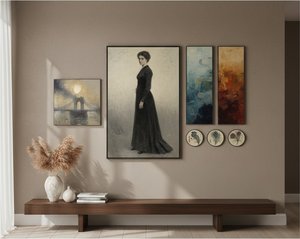
探索詹姆斯·惠斯勒25幅杰作!深入了解夜曲、静谧和谐等经典油画背后的故事与艺术魅力。Most-Famous-Paintings.com提供博物馆级复制品,为您的家居带来永恒之美。立即在线探索完整系列!
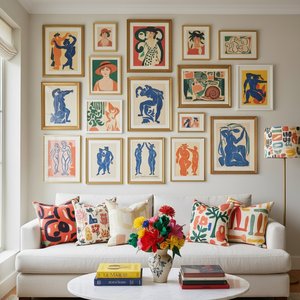
探索亨利·马蒂斯25幅杰作,感受野兽派色彩的魅力!从《舞蹈》到《红色和谐》,揭秘大师背后的故事与艺术灵感。Most-Famous-Paintings.com提供博物馆级高质量油画复制品,为您的家居增添奢华艺术气息。立即在线探索完整系列!
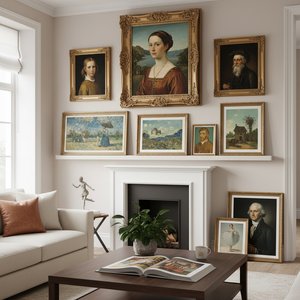
探索美国国家艺术馆的25幅大师级杰作!深入了解塞尚、马蒂斯等艺术家的故事,感受印象派与现代艺术的魅力。Most-Famous-Paintings.com提供高品质油画复制品,点亮您的家居空间。立即在线探索完整系列!


第一时间获取最新的艺术新闻、独家优惠及装饰灵感。
向我们介绍您的项目需求,我们的艺术专家将为您提供 3 个个性化的艺术品推荐。
由我们的专家为您精选 3 款心仪之作 —— 完全免费!


 购买版画
购买版画 分享
分享 分享
分享
 详情
详情

 下载
下载
 相似作品
相似作品 X射线
X射线 幻灯片播放
幻灯片播放 展开详情
展开详情






































 玻璃选项仅适用于110厘米以下的尺寸。