


x
博物馆级艺术微喷或帆布版画,制作高效,并提供多种饰面选择。 ( Switch to hand made Painting Switch to Image)
从与原作比例一致的预设尺寸中进行选择。

您可以输入自定义尺寸,以适配特定的画框或空间。如果您选择的尺寸与原图比例不符,我们将对作品进行裁剪,或通过镜像填充/纯色填充边缘的方式来扩展图像。在开始制作之前,我们会向您发送一份数字效果图供您确认。
请注意,屏幕上的预览并不能反映实际的裁剪或扩展效果。只有效果图才能准确展示最终的构图。
虽然我们提供定制尺寸,但为了保持原图比例,我们建议您从预设列表中选择尺寸。

Prophet with Scroll
复制品尺寸
Donatello’s “Prophet with Scroll,” crafted between 1415 and 1418, stands as a pivotal work in the burgeoning Early Renaissance of Florence. More than simply a depiction of biblical prophecy, this monumental marble sculpture offers a profound meditation on human experience – a poignant blend of solemnity, introspection, and an enduring sense of spiritual yearning. Located within the third level of Giotto’s Campanile, it was originally intended to adorn the east side of the bell tower, commanding attention with its scale and emotive power.
The sculpture portrays an anonymous prophet, rendered in a remarkably realistic style that departs significantly from the stylized conventions of the International Gothic. Donatello masterfully employed classical influences – particularly evident in the figure’s anatomical precision and balanced composition – while simultaneously imbuing it with a distinctly human quality. The prophet stands erect, his gaze fixed forward with an intensity that suggests both profound contemplation and a weighty responsibility. His smock and cloak are simple yet dignified, reflecting a rejection of ostentatious display and a focus on inner virtue.
What immediately draws the viewer’s eye is the prophet's face – a masterpiece of expressive realism. Donatello eschews idealized beauty, instead presenting a figure marked by age, weariness, and perhaps even sorrow. The furrowed brow, the downturned mouth, and the deeply set eyes convey a sense of melancholy and burdened wisdom. This isn’t a triumphant messenger; rather, it's an individual grappling with the complexities of faith, duty, and the weight of prophecy. The subtle details – the slight wrinkles around the eyes, the hint of sadness in his posture – speak volumes about the human condition.
Crucially, Donatello doesn’t simply depict a prophet delivering a message; he captures the *process* of receiving it. The figure extends both hands towards a scroll, suggesting an active engagement with divine revelation. This gesture invites us to consider the role of the individual in interpreting and responding to spiritual guidance – a theme that resonated deeply within the humanist philosophy gaining traction during this period.
Sculpted from pristine white marble, “Prophet with Scroll” showcases Donatello’s exceptional technical skill. The smooth, polished surface reflects light beautifully, enhancing the figure's luminosity and creating a sense of ethereal presence. The drapery is rendered with remarkable detail, conveying both weight and fluidity. Donatello’s mastery of anatomy is particularly evident in the prophet’s musculature and skeletal structure – a testament to his rigorous study of classical sculpture.
It's important to note that this wasn’t a solitary endeavor; Donatello likely employed assistants in the creation of this monumental work. However, the overall vision and artistic direction undoubtedly rested with him, resulting in a piece that embodies both individual genius and collaborative effort. The statue’s placement within Giotto’s Campanile further elevates its significance, transforming it into a focal point for the entire city.
Beyond its immediate visual appeal, “Prophet with Scroll” is rich in symbolic meaning. The scroll itself represents divine revelation – the transmission of God's word to humanity. The prophet’s solitary stance reflects the often-isolated role of a messenger, burdened with delivering difficult truths. Yet, his gaze and gesture suggest an unwavering commitment to his task, embodying the ideals of courage, integrity, and spiritual devotion.
Donatello’s “Prophet with Scroll” remains one of the most celebrated works of the Early Renaissance. It exemplifies the period's shift towards humanism – a renewed interest in classical antiquity and a celebration of individual potential. Its enduring power lies not only in its technical brilliance but also in its profound exploration of the complexities of faith, humanity, and the search for meaning within a rapidly changing world. Reproductions capture this essence beautifully, offering a timeless reminder of the beauty and depth of Renaissance art.


1386 - 1466 , 意大利

深入探索文艺复兴时期的人文主义觉醒与文化巨变。了解达芬奇、米开朗基罗等大师的艺术成就,科学革命的突破,以及彼特拉克、莎士比亚的文学贡献。Most-Famous-Paintings.com为您提供专业的艺术咨询和高品质油画定制服务。

Explore the groundbreaking innovations & humanist ideals of Early Renaissance art (c. 1400-1500). Discover masterpieces by Botticelli, Fra Angelico & more. A deep dive for art enthusiasts.

Explore the refined tastes of European aristocracy from the Renaissance to the Belle Époque. Discover how art collecting shaped history & influenced iconic styles. Expert insights for discerning collectors.
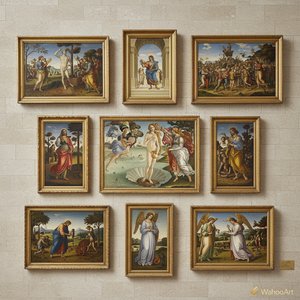
探索文艺复兴曙光!本文精选十幅早期大师杰作,从达芬奇到拉斐尔,揭秘艺术背后的故事与技法。感受色彩的魅力,领略经典永恒的力量。Most-Famous-Paintings.com为您提供博物馆品质的艺术品复制和个性化家居装饰方案。尽在Most-Famous-Paintings.com!

深入探索文艺复兴的艺术创新与人文精神!了解达芬奇、米开朗基罗等大师的作品,定制专属油画,享受专业艺术咨询服务。Most-Famous-Paintings.com为您呈现高品质的艺术体验。


第一时间获取最新的艺术新闻、独家优惠及装饰灵感。
向我们介绍您的项目需求,我们的艺术专家将为您提供 3 个个性化的艺术品推荐。
由我们的专家为您精选 3 款心仪之作 —— 完全免费!


 分享
分享 分享
分享
 详情
详情

 下载
下载
 相似作品
相似作品 幻灯片播放
幻灯片播放


 展开详情
展开详情






































 玻璃选项仅适用于110厘米以下的尺寸。


